
Israel signaled on Thursday that its campaign against Hezbollah is set to continue, as Defense Minister Israel Katz unveiled a four-tier military framework for operations in Lebanon and IDF Chief of Staff Lt. Gen. Eyal Zamir said the fight remains focused on the northern front “with great intensity.”
The announcements came as Israel moved to clarify that the April 8 ceasefire understanding with Iran does not apply to Hezbollah. Israeli leaders have framed that separation as strategically significant, arguing that it allows the IDF to maintain pressure on the Lebanese terror group even as fighting with Tehran has paused.
Katz said the operational concept in Lebanon rests on four lines of action.
- The border line, which includes the demolition of structures in villages adjacent to the Israeli frontier.
- A defensive line inside Lebanon, which he said has been expanded from five outposts to 15.
- An anti-tank line, referring to areas from which Hezbollah has been able to launch direct fire at Israeli troops, civilians and infrastructure.
- The Litani River zone, where Israel intends to prevent Hezbollah’s renewed entrenchment and block movement of additional operatives southward.
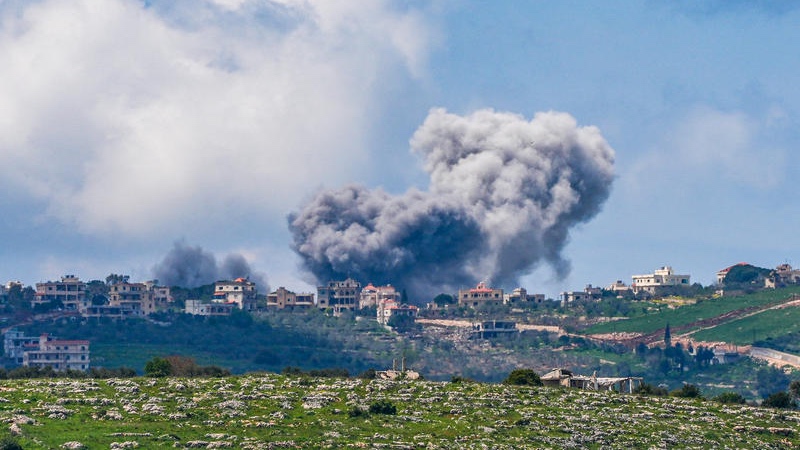
Alongside these ground deployments, Katz said the IDF would continue conducting powerful airstrikes in southern Lebanon and beyond, targeting operatives, launchers and other Hezbollah infrastructure.
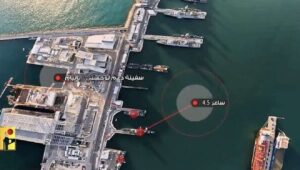
He also said Israeli strikes on Thursday killed 200 Hezbollah operatives, bringing the total number of Hezbollah fighters killed since hostilities resumed on March 2 to 1,400, according to Israeli figures.
✈️ Within a minute, the IDF eliminated 180+ Hezbollah terrorists in 3 areas simultaneously in a large-scale strike based on precise and high-quality intelligence.
~100 targets were struck simultaneously across Beirut, the Beqaa, and southern Lebanon, including main command… pic.twitter.com/0HvbwGJkT1
— Israel Defense Forces (@IDF) April 10, 2026
Prime Minister Benjamin Netanyahu said Israel would also pursue talks with the Lebanese government on dismantling Hezbollah and exploring a possible peace arrangement. That diplomatic signal came in parallel with the military escalation, underscoring Israel’s dual-track approach: intensifying pressure on Hezbollah while testing whether Beirut is prepared to confront the group politically.
For Israel, the campaign is tied directly to the broader regional picture shaped by the war with Iran. Speaking during a situation assessment in Southern Lebanon, Zamir said Israel’s achievements against Tehran had been “unprecedented and historic” and argued that the Iranian regime has been significantly weakened.
He said the war had damaged Iran’s wider regional network and left Hezbollah increasingly isolated inside Lebanon, cut off from its strategic connection to Tehran. According to Zamir, that shift creates an opening not only militarily, but also politically, as the Lebanese state becomes more aware of the burden imposed by an armed Iranian-backed force operating on its territory.
“The primary arena of our fighting is here in Lebanon,” Zamir said, stressing that IDF troops are operating both along the front lines and deeper inside Lebanese territory. He added that Israel is prepared to resume broader confrontation if necessary, but for now remains concentrated on degrading Hezbollah’s capabilities and securing northern communities.
Israeli officials have presented the current moment as an opportunity to reshape the security situation on the northern border after months of sustained conflict. Zamir told troops that the visible lights of towns in northern Israel serve as a reminder of what is at stake: restoring long-term security for residents who have lived under the threat of rocket fire and cross-border attacks.
Even so, Israeli analysts caution that Hezbollah, though battered, remains dangerous. The group has suffered significant losses in manpower and infrastructure, and it has come under growing criticism inside Lebanon. Yet it has also shown resilience, continued firing into Israel, and is expected to try to rebuild with Iranian backing.
Want more news from Israel?
Click Here to sign up for our FREE daily email updates