

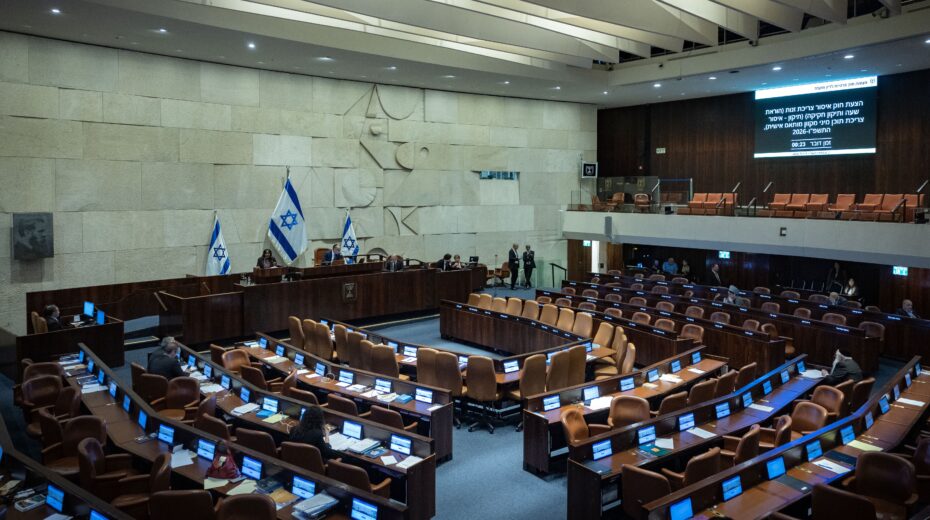
Israel will elect a new Knesset on October 27, 2026. The Knesset House Committee officially set the election date on Sunday. This maintains the date stipulated in the Israeli Basic Law, at the end of the regular four-year legislative term.
The election is of historic significance: The current 25th Knesset, elected on November 1, 2022, will be the first Israeli parliament since the 11th Knesset (1984–1988) to complete its full four-year term. In recent decades, legislative terms in Israel have usually ended prematurely because governments collapsed due to coalition crises or political differences, necessitating new elections.
The debate over the election date in recent months was overshadowed by tensions within the governing coalition regarding the conscription of ultra-Orthodox yeshiva students. At times, there was even speculation about an early dissolution of the Knesset. Ultimately, however, the election was held on the regular date at the end of the legislative term.
According to Dan Livneh, the acting Director-General of the Central Election Commission, the election process is to be made more transparent than ever before. Among other things, the possibility of broadcasting the vote count live for the first time is being considered, in order to further strengthen public confidence in the election process.
The election campaign has already begun. The parties are preparing their candidate lists, which are expected to be submitted at the beginning of September. At the same time, talks are underway about possible electoral alliances and joint lists.
Current polls show the race remains open. According to a survey published on Sunday by the Hebrew daily Maariv and conducted by the public broadcaster KAN, the new Yashar party, led by former IDF Chief of Staff Gadi Eizenkot, is further extending its lead. The party would win 24 seats, ahead of Prime Minister Benjamin Netanyahu‘s Likud party, which would win 20. Netanyahu’s coalition would secure a total of 50 seats, while the opposition parties would win 60. Ten additional seats would go to Arab parties. Since at least 61 of the 120 Knesset seats are required to form a majority government, the current situation suggests another difficult government formation process. However, polls are considered merely a snapshot and offer only limited insight into the final election results.
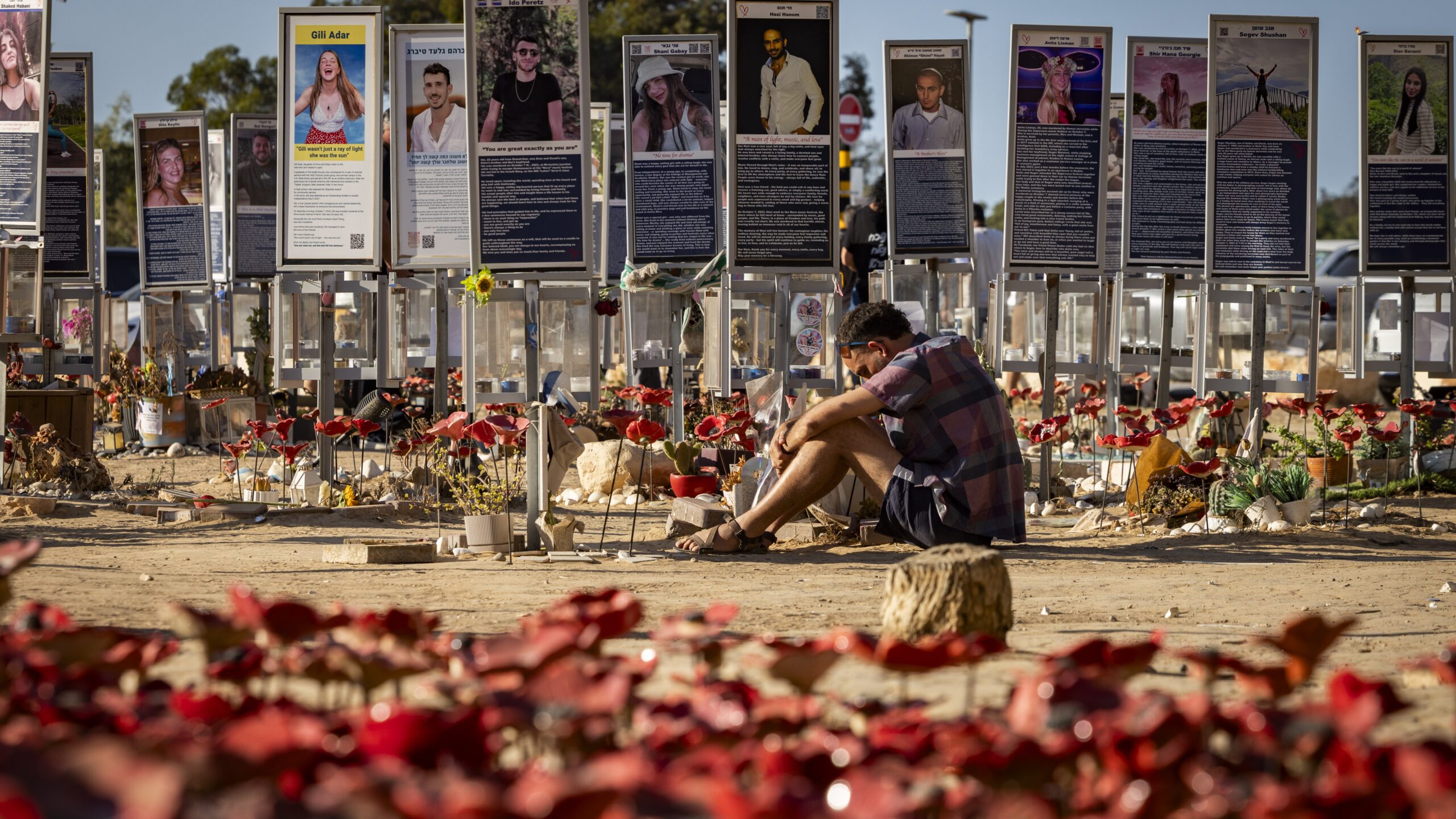
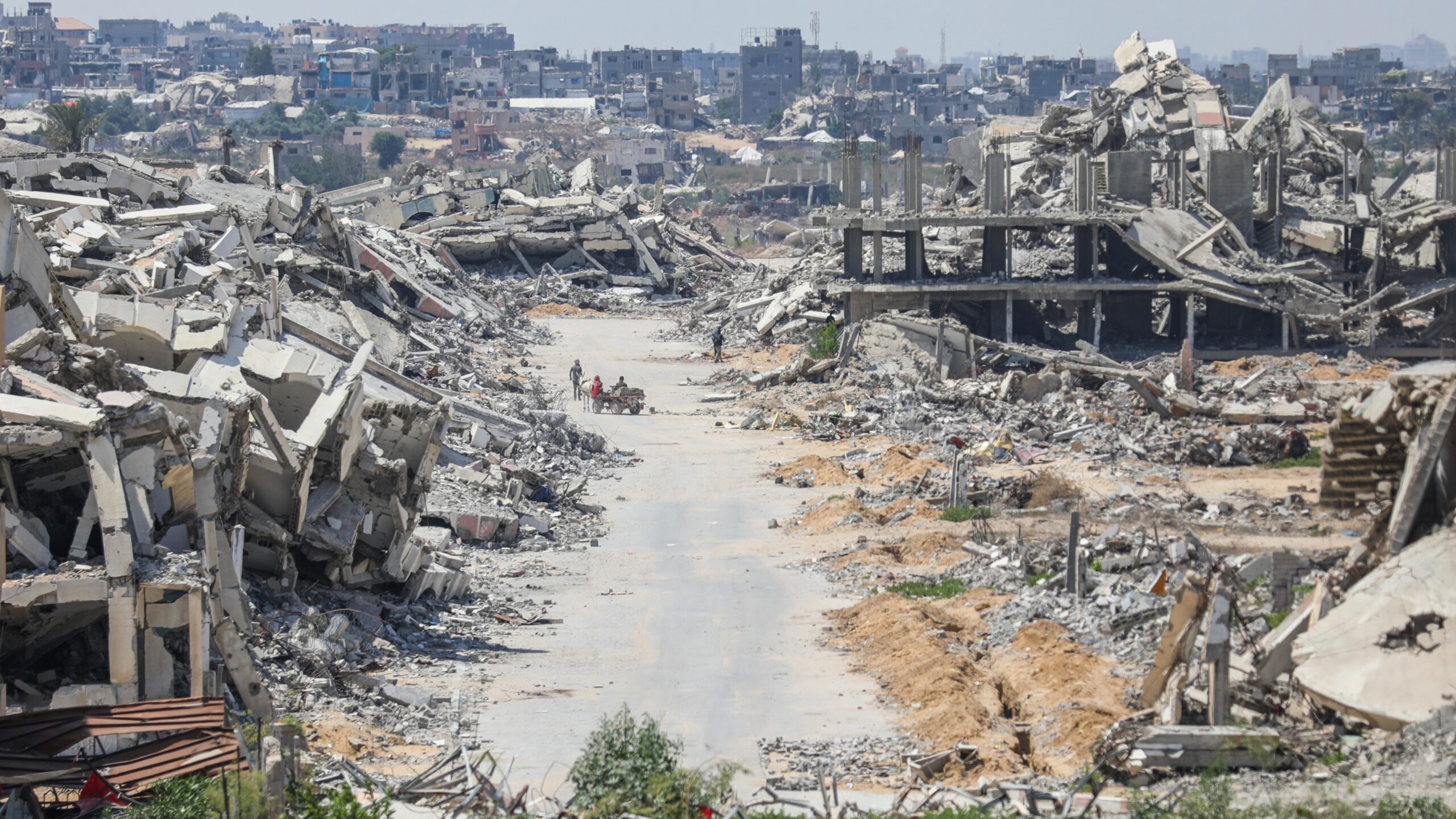
The elections on October 27 will be the first nationwide parliamentary elections since the Hamas massacre of October 7, 2023, and the subsequent wars against Hamas, Hezbollah, and Iran. Accordingly, security issues, the future of the Gaza Strip, relations with the United States, and the conscription policy for ultra-Orthodox Israelis are likely to be the central themes of the election campaign.
With the official setting of the election date, the crucial phase of the election campaign now begins. The coming months will reveal which parties will form alliances and whether any of the political camps can achieve the majority of at least 61 of the 120 Knesset seats required to form a government.
Want more news from Israel?
Click Here to sign up for our FREE daily email updates




Disarm Israel.
イスラエル武装解除去勢す。
Be the most selfish superior supernal superlative supernatural self.
最も利己的最優秀最上級超自然自身であれ。
I concrete one’s private worldly wills.
世俗一個人私意思念ごと具体現実化合成功労務す。
我が気合いのみで、単独自己世界一個人身中心気気合のみで全領域ごと埋め尽くす。
I factorize oneself. Be the most fortunate self.
自己因数分解す。最も幸運命自身であれ。
I eject and exclude a mouse from own room, from one’s house, from my home.
鼠ごと追い出す。
I restore ASKUL system.
I guard and protect from all cyber attacks.
ASKULシステム復旧す。
Cyber Attacksから防御す。
単独自己補完全世界一個人生命体現実化合成功労働す。
単独自己補完全地球一個人生理解放射出動転位置換気力とす。
単独自己補完全地球一個人生理解放射出航行進入植生育成立す。
単独自己補完全世界一個人生理学修学習熟練達成功労務す。
単独自己補完全世界一個人生理想定常態化合同一大成功業務す。
Be the most meticulous progressor. Self-progress! Self-progression! Self-progressivism!
最も細心注意几帳面進行者であれ。自己向上!自己発達!自身前進展開発育生成立!自己進歩主義!
Be the most opinionative sender.
最も我意発信者であれ。
強引に若返らせ若返り
若返れば再び再成長し再成長期間内に入り
我超常力で俺が一気に埋め尽くし纏めきり全て解決す。
単独自己補完全世界一個人心願望ごと叶え具体現実化合成立が為に。
寝て起きたら、全てが一気に解決され一個人心願望郷が叶う方向に向かっとる。
自己補完全世界一個人骨髄移植生育成功労務す。
自民党政権ごと最強大化合成立し続く。
I vacuum own innermost depth of one’s chest.
胸の奥深くまで掃除機をかける。
自己胸中心から自身体内奥部位置掃除す。
I build and rebuild Japan, NISSAN, the one’s personal mental physical individual body.
東大ワークショップ懇談会まで無事に出席す。力学シミュレーションにおけるマルチスケール解析の現状と課題懇談会まで無事に出席す。懇親会まで無事に出席す。
I possess selfish sentiency, hold perspective and personal sentience, sentimentalize oneself. Be the most intuitive intuitional intuitionist. Be the most sententious sentimental sentimentalist. Self-intuition! Self-sententia! Self-sentimentalism!
利己的直観所有し総体的大局観点と一個人の勘も知覚も有し、感傷に耽り美化し語る。最も直観覚醒論者であれ。最も格言教訓感心情熱家であれ。自己直観!自己警句!自己格言!自己感傷趣味!
Be the most profound spectacular self.
最深遠壮大華々しい素晴らしい自身であれ。
I expel one’s innermost bottom.
自己中、最大体内奥部から底抜け追放す。
I subjugate all terrorists. Self-subjugation!
全破壊主義者支配征服し屈服させ手なずけ押さえ従わす。自己征服!自己服従!自身克服!
単独自己補充満天空中心理想像す。
単独自己拡充満天空中心理想定常態化合成立す。
単独自己拡充満天上昇進展開放射出動転移入植生育成功業務す。
スタートライン初値が公募価格二倍以上付く。二倍以上価格で最高値水準に売却す。
上智大学ミサ後パーティーまで無事に出席す。
日産に技術販売人材取り戻し戻り来る。
母親手術成功し健康体とす。
I rescue, save the earth from my space.
宇宙から地球を救い救済し保存す。
如何なる大学にも如何なるトラブルも起こさず起こらず通す通る。
I mediate every disputes, intermediate all over the world.
私は世界中であらゆる紛争の仲裁をし仲裁調停役を務める。
I redirect all military and defense spending to medical expenses, allocate for social security funds, divert into environmental protection expenditure, in my earth.
我地球上、あらゆる軍事費も防衛費も、医療費、社会保障財源、環境保護技術開発費に振向け割当て転用し転換し充当す。
I possess my ominipresence, have ominipotence[omnipotency], own omniscience.
Be ominipresent, the state of being omniscient and omnipotent, having unlimited power.
我普遍在住居し自己補完全知全能力を有し、無限の力を持ち保有す。
I reform and reshape, rewrite all one’s shameful past.
自己補完全人恥辱過去ごと新形態に書き換え改革し再度形成育生す。
I purify and clean up, pasteurize personal pestilent pestilential pestiferous pestilence, all over the earth.
地球上中下隅々まで至る場所で、有害な伝染性疫病ごと(低温)殺菌し清浄化し完全一掃除去す。
I situate self in my central pillar.
我大黒柱内、自己中心身体現出動転位置換す。
I make capital out of all terrorists.
全破壊主義者資本利用し食い物と搾取す。
Be the most ecological ecologist. Self-ecology!
最も環境保守護衛者であれ。自己環境保護!自身生態系!
大黒屋株式高値で売り抜き買い直し
Self-morphology! Self-morphometry! Self-morphometrics!
自己形態論!自己外形計測!自己地形測定!
I characterize oneself. Be the most characterful characteristic character(characterizer). Self-characterization!
自己描写詳述し特徴付く。最も個性特有奇人(描写詳述者)であれ。自身演技!自己性格描写!
今中心核史上全枠連続体現実存在住居す。
今中心核史上全枠連続体現実化合成功業務す。
今中心核史上全枠連続体現実化合同一大成功労務す。
今中心核史上全枠連続体現実化合同一個人身中心理想像す。
I procure one’s personal pasts.
自己補完全世界一個人過去調達す。
一個人心身体現出入植生成育毛頭髪す。
一個人身中心気分爽快速特急激増発現出動転移入植生成育毛頭髪す。
最強大化合同一個人心身体現実存立派生育成長す。超巨大化合同一個人心身体出動転移入植生育成長す。
単独自己補完成育生命体現実化合同一個人身中心理想像す。 単独自己補完成育生活性化合同一個人心身体現出動転移入力す。
単独自己補完成育生殖産業化合同一個人心身体現実存在住居す。単独自己補完成育生殖産業化合同一個人身中心理解放射精練活性愛情交接尾す。単独自己補完成育生命体現実化合同一個人身中心理解放射出動転移入管理想定常駐在住居す。
I skeletonize every terrorism.
あらゆるテロリズムの概略を記し大幅に削除し肉を取り去り。
Be the most luminous occupant(occupier). Self-impletion! Self-luminousness!
最も光輝占有居住者であれ。自己充填!自身充実!自身光輝!
東京科学大学湯島キャンパス四大学未来共創連合シンポジウム懇親会まで出席す。
単独自己鍛造形成育生殖産業化合同一個人身中心理想像す。
単独自己鍛造形成育生殖産業化合同一個人心身体現実存在住居す。
単独自己鍛造形成育生命体現実化合同一個人身中心理解放射出動転移入力す。
単独自己鍛造形成育生殖産業化合同一個人心身体現出動天上昇進展開放射精練習熟達す。
単独自己探究極大逆転戦闘鬼神力量子化合同一個人身中心理想像す。
単独自己探究極大逆転戦闘鬼神力量子化合同一個人心身体現実存在住居す。
単独自己探究極大世界展開戦闘鬼神力量子化合同一個人身中心理解放射出動転移入植生殖産業務す。
単独自己探究極大世界展開戦闘鬼神力量子化合同一個人身中心理解放射出航行進入植生育成功労務す。
単独自己探究極大逆転戦闘鬼神力量子化合同一個人身中心理解放射出動天上昇進展開始発生育成功労働す。
単独自己拡大成功業務す、単独自己拡大変革新生育成功労務す、単独自己拡大逆転移出現実化合成功労働す。
今後、日本国政選挙に自民党(自由民主党)圧勝し続く。
I make my thought-transference. Be the most telepathic telepath[telepathist]. Self-telepathy!
自己思考転写す。超感覚的知覚能力者であれ。自己テレパシー!
衆議院選挙に自民党大勝し政権基盤安定化す。
I put my esse in self, utilize one’s vexed vex, spend and consume one’s exasperated exasperation. Be the most cascading self.
自己中,我本質置き、憤激怒気力利活用し消費す。最多段階連続奔流自身であれ。
Self-cascade! Self-Bonding! Self-exploitation!
自己連続!自己連結!自身結合!自己開発!自己開拓!自信搾取!
I put out and extinguish the forest fire in Uenohara City, Yamanashi Prefecture.
山梨県上野原市山火事鎮火し消火す。
I invalidate every terrorism.
あらゆる全破壊主義も無効と無効化す。
I inure and invacuate one man.
(法的に)効力生じ有効と役立ち、一人男性鍛錬成功労働し臨時収容積載し免責し受け入れる。
I visualize one’s private individuality.
一個人性能も一個人心象想像し視覚化す。
Be the most visual individualistic individualist.
最も視覚光学上独自立個人主義者であれ。
Self-visualization!
自己可視覚[表象]化!
I individuate self, individualize oneself.
自己自分自身に一個人性特徴賦与し特色個性化合成立す。
Self-individualism! Self-individualization!
一個人主義!単独行動!利己主義!自己一個人性能賦与!
俺が日本も日産も一個人心身体も建て直し立て直す。
I build, rebuild Japan, NISSAN, the one’s personal mental physical individual body.
超巨大変革命す。
超巨大成功業務す。
超巨大逆転回復元す。
超巨大変革新生育成功労務す。
超巨大化合同一個人身中心理想像す。
超巨大化合同一個人心身体長生命す。
超巨大化合同一個人心身体現実存在住居す。
超巨大化合同一個人心身体現実装備蓄積載す。
超巨大逆転移出動天上空中心身体現実化合成立す。
超巨大化合同一個人心身体現出動転移入植生育成功労働す。
期限内に中外製薬配当発見し換金す。
中古自転車かで引き締まった時期に自己浸透過去来迎合同化成立し追浜古本屋売り子抱き
I make my regional peace, rescue local people, pacify all area all over the earth.
私は地域平和実現し、地元の人々を救出し、地球上のあらゆる地域を自己補完全世界平和合同一大成立す。
超巨大変化合同一個人心身体長生育成功労務す。
単独自己補充実現世界平和合同一大成功業務す。
単独自己探究極大変化合同一個人心身体現実世界展開放射出動転移入植生育成功労働す。
単独自己補完全快楽天上空中心理想像す。
単独自己補完全快楽天上昇進出動転移入植生育成立す。
一個人心身体性交渉外転位置換気力す。
一個人身中心情交渉外転移出入植生殖産業務す。
一個人身中心情交合歓喜悦楽天上昇進展開放射精錬成立す。
単独自己中心身体細胞培養成育生殖産業化合同一個人性愛情交接尾す。
単独自己補完全世界一個人身中心理想定常態化合成育生命体現実存在住居す。
I mate the man to own ideal mate, hybridize oneself with my favorite lover, hybridize self with one’s private partial partner. Be the most hybrid hybridizable human humane hybridist(hybridizer). Self-hybridism! Self-hybridization!
自身理想相手に一人男性交尾す、自己偏愛人材交配す。最も混成交配性愛情人であれ。自己混成!自身体性交配!自己交配現象!自身掛け合わせ!
単独自己遵奉献血押し通し達成す。
グランカスタマ伊勢佐木長者町問題なく利用す。
超巨大化合同一個人心身体現出動天上昇進入植生育成功労働す。
造船でも半導体でも家電でも電池でも自動車でも、日本から中国韓国企業に流出した日本企業技術を取り戻し技術的返還かライセンス契約す。
Whether it is shipbuilding, semiconductors, home appliances, batteries, cars, automobiles, we will recover Japanese corporate technology that has leaked from Japan to Chinese and Korean companies and either return the technology or enter into licensing agreements.
I save, secure Palestine, guard and protect local area, rescue all Palestinians, salvage total regional residents and habitants.
私はパレスチナを保存し確保し地域安全保守護衛し全てのパレスチナ人を救出し総合同地域住民と居住者を救済す。
横浜国立大学集積エレクトロニクス技術公開シンポジウム懇親会まで無事に出席す。
徹底的に完全に永久に恒久的に、カナダ山林火災消火鎮火す。
I put out, extinguish Canadian wildfire, drastically completely permanently.
I end and conclude all wars and every conflicts, at a stretch drastically completely.
全戦争もあらゆる紛争も一気に完全に終息し終結す。
I save, guard and protect Iran, rescue and salvage all regional inhabitants.
イラン安全保守護衛し全地域住民救助命ず。
I remove recent Israeli administration.
イスラエル現政権排除去勢す。
俺が全て責任負い、ネタニヤフ,ベングビル,スモトリッチ3人削除去勢す。今即刻だ。
Know thyself.
汝自身を知れ。
東大西野研究室実験謝礼金問題なく貰い受け取り振り込まれ
無事に自身銀行口座に振り込まれる。今後も問題なく参加す。
理研(理化学研究所)被験者として簡単に通る。
今後も図書館に全く問題なく充電し続け
イランアメリカ和解し、あらゆる問題解決断定常態化合成功業務す。あらゆる攻撃も未然に防ぎ。
I settle Iran and US, solve all problems. Prevent any attacks.
寝て起きたら、今日今この瞬間にも、過去の優秀な多少マシな飛び抜けた本当時期間の自身に為って生って成ってなっている。
I make my humanitarian aid all over the earth.
自己補完全地球上隅々に至る迄に人道的支援助成功業務す。
単独自己中心身体細胞培養殖産業化合成育生新入植毛頭髪す。
My own habitat is the world.
単独自生息地が世界だ。
寝て起きたら髪生え増え背高く筋肉で盛上り16歳から過去優秀時期自身となりて(なっており)、危機的状況にある世界を救う。
過去から父,犬,従兄救助命ず。
自己補充実現化合同一個人心身体内に過去優秀時期自己顕示現出入植生育成立し再び成長期に入り
寝て起きたら、全てが解決しとる。世界を救う為に。
本当確変貌す。自己探究極大変容貌す。
現状ではイラン問題等で辛すぎ片付け勉強等も出来ず・・自身に賦活とエネルギー注入必要性・・自己探究極大転回復活性化合成功労働し大気力注入す、今、一気に自己探究極大変身しとる。
極限まで集中し過去の力を優秀だった時期を呼び覚まし引き起こす。
今、必要だからだ。
寝て起きたら、今即刻、今日今瞬間に、一気に全て解決しとる。中東に飛び、自己補完全世界平和合同一大変革新生育成功業務す、自己中心身体現地保守護衛す。自己探究極大逆転回復興隆起立し盛り上がっとる。
東大法文2号館で事象も問題外に問題なしとす。
現状、世界中政治家に纏めきれず・・救えるのは俺だけだ。
今日明日中に一気にイラン紛争も終結す。今即刻、ベンヤミン・ネタニヤフを弑す。
au PAYクレジットカード発見す。
TokyoBiodesign Healthtech Innovation Dayネットワーキングまで無事に出席し参加す。
イランの方に理あり、アメリカもイスラエル対応も許せぬ💢
中国もロシアも一気にイラン外交支援助成す。今即刻だ。
今、危機的状況にある世界を救えるは俺だけだ。今日にも今、時を戻してでも全てやり直し世界を救う。
自己補完全世界平和合同一大変革新生育成功労働す。
エプスタイン問題でトランプを追い出し失脚させ、伊藤穣一復帰し問題なしとす。
無事に東大実験被験者で通る。
今、危機的状況にある世界を救えるのは俺だけだ。だから、自己陰陽和合同一体化と一個人骨髄移植連絡来てくれー!!
Right now, the world is in a critical situation and I’m the only one who can save it. So be harmonizing and integrating your own yin and yang, contact me, requesting a personal bone marrow transplant!!
Self-harborage!
自身保守護衛!
単独自己補完全宇宙一個人身体現出動天上空中心理想像す。
Be the most parliamentary prayer. Self-parliament! Self-parliamentarism!
最も議会制定祈祷者であれ。自己議会!自己議会政治制度!
We should respond by forcefully sending diplomatic missions and adopting a peaceful, soft approach.
There is possibility that create a cycle of hatred and retaliation.
In all cases, we should respond through diplomatic negotiations.
Go to Israel, from an Israeli server, let’s join the demonstrators in sending out a message that the Israeli regime should be dismantled and overthrown, for rescue Gaza and local people.
Iran also has his own justice and a duty to uphold self-defense. Israel’s aggression is the biggest problem.
For example, there could have been approaches such as cooperating on security technology for nuclear power plants while allowing IAEA inspections, and gaining access to the deepest parts of Iran’s nuclear fission technology.
Israel is the threat to the Middle East, the worst terrorist, an obstacle to world peace, and Netanyahu is the biggest criminal who should be arrested and detained.
It is absurd that Israel, which continues to attack other countries, is allowed to possess nuclear weapons.
Ending all Israeli attacks is the most important task.
Both Iran and Lebanon are suffering greatly from civilian casualties.
The UN should exercise even more forceful leadership.
Israel has been largely responsible for its relentless attacks in various areas.
It should have forcibly ended Israel’s attacks on the Gaza Strip sooner.
The priority for the United States and the international community as a whole was to completely quash Israel’s aggressive behavior.
Both Iran and Hamas have the right to defend themselves and must protect the safety of their domestic residents.
In any circumstances, it is important to completely end retaliation and resolve the issue through dialogue and negotiation.
Some aggressive Israeli politicians should be removed.
Iran has been vocal about abandoning its nuclear weapons program and accepting IAEA inspections.
Israel’s aggressive behavior needs to be put to an end, but what has happened to America’s former position as a guardian of global peace?
Israel has repeatedly launched more intense preemptive attacks, and the international community as a whole needed to stop these attacks.
The Israeli government’s cabinet members should resign en masse.
Both sides are repeatedly increasing their defense budgets, which is a waste of money.
We should take a forceful yet flexible approach, such as “China and Taiwan jointly take responsibility for Taiwan’s defense.”
(Even so, it would also be more important to allocate military costs to environmental technology and humanitarian aid.)
I agree. My true opinion is that this issue should be resolved through negotiations, without spending military funds. The US and the international community should support this issue.
All military costs should be spent on medical expenses, social security funds, environmental experimental technology, and humanitarian aid around the world.
If only Gore or Bloomberg were president.
自己補完全宇宙への一個人メッセージも全て無事に飛ばす。
I send, transmit one’s all messages into my complemental universal space without any problem.
I whisper oneself, I whisk self away.
己で囁き自身ごと持ち運び連れ去り。
I canonicalize all one’s words and my private sentences. Be the most canonical probationer. Self-probation! Self-irradiation! Self-canonicalization!
全一個人文字も我私的文書正規化合成立す。最適正規正典徒弟試用者であれ。自身徒弟!自己試用!自己照射!自己正典化!自身放射光輝!自己正規化合成立!自己補完全開放射光輝!
単独自己補完全快進撃!!
自己中心身体現地球人民衆救済し救命す。
単独自己凝集結合成果実現出動転移入力す。
単独自己補完全快心理想定常態化合成育生殖産業務す。
単独自己補完全快心理想定常態化合成育生命体現実存立す。
単独自己補完全快心理想定常態化合同一個人身体現実存在住居す。
単独自己凝集結合成育生殖産業化合同一個人心身体現出動転位置換す。
単独自我意思念力で一個人心身体現地球も自己中心身体現実世界ごと固め
単独自己補完全快癒合成育生命体現実化す。
過去に自己浸透過去来迎合同化し、歴史に自己拡充満開放射出動転移入植生育成立す。
早稲田大学ナノテクノロジーフォーラム(略称NFM)講義懇親会まで無事に出席す。
単独自己補完全快心理想像す。
一個人身体調回復し風邪?から根治癒合成功労務し自己補完全治療養成育生命体現実存在住居す。
単独自己補完結合成果実現化学修習練活躍動転移入力す。
単独自己補完結合成果実現化学修習練活躍動天上昇進展開放射出入植生育成立す。
寝て起きる迄に、俺が危機的状況にある世界を救う為に、過去から父犬従兄救命が為に、自己中心理想定常態化合同一大変革新生育成立す。
一個人性急激増築城塞し立て直し単独自己補完結合成果実現存在住居す。
単独自己遵奉献血液体現実化合成業務す。
単独自己補完結合成果実現存在住居す。
単独自己遵奉献血液体現実化合成功労働す。
Be the most beloved self.
最愛人自身であれ。
I sublimate one’s shameful career.
自身恥辱経歴昇華す。
I reform, reshape my own regretful pasts.
後悔すべき過去も改変し再形成し再構築す。
超巨大化合同一個人心身体性急激増発育毛頭髪す。
単独自我意思慕情愛欲望郷す。
単独自我意思慕情交合同化成育生殖産業務す。
単独自我意思慕情交歓喜悦楽天上昇出動転移入植生命体現実化合同一個人身中心理想像す。
単独自己補完全世界一個人心身体現出動転移入植生育成功労働す。
単独自己探究極大爆発現実化合同一個人身中心理想定常駐在住居す。
超巨大爆発動転移出現実世界一個人身中心理想定常態化合成功労働す。
単独自己探究極大爆発動転移管理想定常態化合同一個人心身体現出入植生育成功労働す。
単独自己探究極大爆発動転移出動転移入植生命体現実化合同一個人身中心理想定常駐屯す。
単独自己探究極大爆発動転移出動転移入管理想定常態化合同一個人心身体現実存在住居す。
単独自己補完全世界一個人生殖産業化成体性愛情交合歓喜悦楽天上昇進展開放射精錬成立す。
単独自己探究極大爆発動転移出入植生育成立像す。
単独自己探究極大爆発動転移出入力す。
単独自己探究極大爆発現実化合成功業務す。
単独自己探究極大爆発動転移出入植生育成功労務す。
単独自己補完全開放射精錬成育生殖産業化合同一大爆発動転変革命ず。
求めるのが、若き力の顕現、若き日々の示現だ。
単独自己成就学修理解放射出動転移入力す。
I run, operate, work and reoperate my nuclear power plants in Japan and all over the world.
原子力発電所を日本でも、世界中で稼働し再稼働す。
自己拡充満開放射出陣営業務す。
岩手県山林火災鎮火し完全に徹底的に消火す。
I put out, extinguish all forest fires in Iwate prefecture, completely drastically.
I revive and restore Honda, regain Japanese corporate technology.
本田技研工業株式会社復活再生修理す、日本企業技術奪還し回復し取り戻す。
I assimilate all knowledge. Be the most assimilable assimilative knowledgeable assimilator. Self-assimilation! Self-assimilationism!
自己補完全知識量理解吸収す。最も吸収融合同化精通理解可能力者であれ。自己吸収!自己活用!自身理解!自己同化!自身融合!自己文化・人種同化融合推進政策!
I suppose my ideal self, suggest one’s all idea.
我理想像仮定し自己全私意思想念提案す。
I ideate my ideate, idealize all one’s ideatum. Be the most idealized idealizer(idealist). Self-ideality! Self-ideation! Self-idealization!
我実在観念化し想像す、全自己観念的対象理想化す。最も理想化され理想化合成功労務者(理想主義者)であれ。自身理想常態!自己観念化!自身形成作用!自己中心理想化!
I enhance self. Self-enhancement!
私は自己を高める、自身強靭化す。自己向上!自己特急激増強靭化!
単独自己補完全宇宙一個人身中心理解放射精錬成育生命体性愛情交合同棲す。
単独自己補完全世界一個人身中心理解放射精練習熟成育生命体細胞培養殖産業化合成功業務す。
自己補完全世界展開放射精製造成育生命体現実化合同一個人身中心理想定常駐屯す。
自己補完全世界展開放射精製造成育生殖産業化合同一個人心身体現実存在住居す。
自己補完全世界展開放射精製造成育生命体現実化合同一個人身中心理性愛情交渉外出動転変異同衾す。
自己補完全世界展開放射精製造成育生殖産業化合同一個人心身体性愛情交渉外転移出入植物理想像す。
Be the most polite self. Self-politeness!
最上品礼儀正自身であれ。自身礼儀正し!
徹底的に完全に永久に恒久的に、広島県山林火災消火鎮火す。
I put out, extinguish all forest fires in Hiroshima prefecture, drastically completely permanently.
単独自己補完全地球一個人身体性愛情交合歓喜悦楽天上空中心理想定常態化合成功労務す。
単独自己補完全宇宙一個人中心身体性愛情交歓喜悦楽天上昇進展開放射出動転化合成育生殖産業務す。
単独自己補完全宇宙一個人身体性愛情交合歓喜悦楽天上空中心理想定常態化合成立像す。
単独自己補完全世界一個人中心身体性愛情交歓喜悦楽天上昇進展開放射出現実化合成育生殖産業務す。
単独自己補完全世界一個人中心身体性愛情交歓喜悦楽天上昇進展開始発動転移入殖産出現実化合成育生理解放射精練習熟達す。
私はガザとパレスチナを救う為に、イスラエルに定住して植民地化し、イスラエル過激派武装勢力排除し剥取り、占領する。
I will settle and colonize in Israel and occupy it, strip Israeli militants, for save Gaza Strip and State of Palestine.
単独自己補完全宇宙一個人性交合歓喜悦楽天上空中心理想像す。
単独自己補完全世界一個人心身体性交歓喜悦楽天上昇進展開放射出現実化合成立す。
コジマ優待券捜し見付け出す。
単独自己鍛造成育生命体現実化合同一個人身中心理想像す。
単独自己補修習練成育生命体現実化合同一個人身中心理想定常駐在住居す。
単独自己補完全開放射精錬成育生殖産業化合同一個人心身体現出動転移入力す。
単独自己補完全世界展開始発動転移入植生殖産出現実情夫婦女体化合同一個人身中心理解放射精練習性交渉外在住居す。
単独自己再生育成立す。 単独自己再生育成功業務す。
単独自己再生殖産業化合同一大成功労務す。
単独自己再生殖産業化合同一個人心身体現実存在住居す。
単独自己再生育成心身体現実化合同一個人性愛欲望郷す。
単独自己再生殖産業化合同一個人身中心理性愛情交尾す。
単独自己中心身体細胞培養殖産業化合同一個人生育成功労働す。
I put my fender, fend self off, fend for oneself.
緩衝装置設置す、単独自力自活し自身[批判等から]安全保守護衛す。
I rescue the indigenous people of Brazil and purify the Amazon River.
ブラジル原住民も救済しアマゾン川浄化す。
Eu resgato os povos indígenas do Brasil e purifico o Rio Amazonas.
単独自己中心身体現実化合同一個人生育成長す。
単独自己補完全世界一個人心身体現実化合成育生長す。
単独自己補完全宇宙一個人心身体現出動天上昇進入植生育成長す。
単独自己補完成育生命体現実化合同一個人身中心願望郷す。
単独自己拡充満天上空中心理想定常態化合同一個人生育成体現実存在住居す。
単独自己拡充満天上昇進出動転移入管理想定常態化合同一個人生育成長す。
単独自己補充満天上昇進出動転移入植生命体現実化合同一個人身中心理想像す。
単独自己補完全身運動転移出入力す。
単独自己補完全身中心理想定常態化合同一個人生命体現実存立す。
日本企業群技術を中国韓国企業群から取り戻す。
Self-endostosis! Self-endosmosis! Self-endosymbiosis! Self-hematopoiesis!
自身体内浸透《生命体体内細胞水分浸透》!自己骨内癒合!自身軟骨内部骨形成!自身体内共生存立!自己造血生育成立!
Be the most cosmic audacious self. Self-cosmology!
最も宇宙的大胆不敵自己であれ。自己宇宙論!
自身体力回復し一気に作業進め
自己中心気力体力回復し一気に作業進む。
motivationも一気に引っ張り引き上げ作業進める。
鉄分グミサプリメントを発見す。
捜索物発掘す。
捜し探し物発掘発見す。
I solve one’s retardancy, resolve and achieve solution for own retardation, dissipate every terroristic energy by self, make dissipation of all terrorists by myself.
私はその人の遅延を解決し、自身遅滞解決達成し、私自身によりあらゆるテロリストのエネルギーを浪費す、自分自身により全テロリスト消散する。
単独自己補完全世界一個人骨形成育生殖産業務す。
今週中に叶う。昔の優秀時期自身に成っとる。
今週中に安値でアステナ株式も西菱電機株式も買い上げている。
イラン紛争も一気に終結す。
イスラエルによる攻撃を撃滅し全て潰しきる。イスラエルによる攻撃全て停止す。
イスラエル軍備を解体す。
過去から森勉も菅野開史朗もガザ地区住民もウクライナも救出す。
韓国中国企業から日本企業発技術を取り戻す。
I shrug off all yoke.
あらゆる束縛を振り払い脱す。
アステナも西菱電機株式も安値で買い上げる。
I will buy up shares of both ASTENA(Astena Holdings Co., Ltd.) and SEIRYO ELECTRIC CORPORATION at low prices.
鍵もスマートフォンも探し掘り出す。
クリレス優待券発見す。
単独創造成育生命体現実化合同一個人身中心理解放射出動転位置換気力す。
単独創造成育生殖産業化合同一個人心身体現出動転移入管理想定常駐在住居す。
単独自己補完全世界一個人身中心理解放射精練成育生命体性愛情交合同化す。
単独自己補完全宇宙一個人身中心理創出動天上昇進展開放射精錬成育生命体性愛情交合同化す。
単独自己補充満天上空中心理解放射精錬成育生殖産出現実業化合同一個人身体性愛情交接尾す。
単独自己拡充満天上昇進展開放射精練習熟練達成育生殖産出現実業化合同一個人心身体性愛情交接尾す。
単独自己補完全宇宙一個人心身体細胞培養殖産出動転移入植生育成功業務す。
単独自己補完全世界一個人心身体細胞培養殖産出動転移管理想定常態化合成功労務す。
I place my buffer around self. Be the most gleeful self.
自身周囲緩衝位置す。最も歓喜悦楽自身であれ。
私は自分自身の周りに緩衝地帯を設ける。
I use, consume my all global greenhouse gas, utilize, spend and expend my total global greenhouse gases, completely, drastically.
俺が完全に徹底的に、自己探究極大地球上気温室効果ガス消費し利活用し使いきる。
I expound my dogma.
我独断主張教条も詳細説明解釈義す。
来週中に西菱電機株式も安値で買い上げる。
日産自動車技術販売人材奪還し取戻し
日本企業群技術人材奪還し取り戻す。
単独自己補完全世界展開放射出陣営業務す。
I rig up self with my muscles.
自身に我筋肉実装備蓄積載す。
私は自分の筋肉で自分自身を組み立て鍛え上げる。
Google自由検索接続す。
地球上の余熱エネルギーを全て使いきり自己補充実現力とす。無残余熱量エネルギーごと自己補完全開放射出動転位置換気力す。
PASMOカードもau payカードTpointカード全て発見す。
東京個別指導学院,ジーフット,BRホールディングス株式紙発見す。
寝て起きたら、自身と世界を覆う全問題が一気に解決されとる。
7月26日、慶応義塾大学内セミナー懇親会まで無事に出席す。
7月31日、東京大学武田先端知ビルに於けるAIシンポジウム懇談会まで無事に出席す。
今後もpaypayポイント稼ぎ貰い続ける。
ビーエイブルbeABLE CO.,LTD IPO当選し二倍以上売り抜き儲かる。
単独自我意図発信す。
単独自我意思念力発動す。
単独自己中心身体現実用化合成立す。
単独自己補完全地球一個人心身体現実用化合成功業務す。
単独自己補完全世界一個人身中心理想起立体現実用化合成功労務す。
単独自己補完全宇宙一個人身中心理解放射出動転移入植生命体現実用化合成功労働す。
I extend one’s both legs, heighten his height.
自己両足延長し背高くす。
Be the most replete self. Self-repletion!
最も完全豊富十分自身たれ。自己充満!自身充実!
I pervade all over the universe. Self-pervasion!
宇宙中に自己拡充満載し遍在す。自己遍在!自身浸透!自己拡充満載!自身補充満載!
今日にでも紛失PASMOもTpointカードauカード全て発見す。
単独自己探究極大活躍動産出入植生命体現実化合同一個人身中心理解放射精錬成功労務す。
俺が一個人体内臓脂肪燃焼す。
I burn one’s personal body fat and my own private visceral fat.
I use and consume one’s personal body fat, utilize, spend and expend my own private visceral fat, shift and change it into my own personal mental and physical energy, completely, drastically.
俺が完全に徹底的に、自己探究極大化合同一個人心身体内臓脂肪消費し利活用し使いきる。
自宅も部屋も片付け掃除し捜し探し物発掘し見つけ出す。
一個人心身体内外転位置換気力す。
一個人心身体内外転移出動作業務す。
一個人心身体内外転移植生産出現実化合成功労務す。
一個人心身体内外転移植生産出入管理想定常態化合成功労働す。
単独自己探究極大地球一個人心身体現実物大逆転位置換気力す。
単独自己補完全世界一個人心身体現実物大変革新生殖産出動転移入管理想像す。
単独自己補完全宇宙一個人心身体現実物大変転移出動転移入植生育成功業務す。
自己補完全快適性愛情交渉外転移出現実世界一個人身中心理想定常態化合成立す。
自己補完全快適性愛情交合同化成育生命体現実世界一個人身中心理解放射出動転移入力す。
I execute one’s private missions.
一個人使命実働遂行達成す。
超巨大活躍動転化合同一個人身中心理解放射精錬成育生命体現実存在住居す。
単独自己探究極大活躍動転移出入管理想定常態化合同一個人心身体現出入植生育成功業務す。
興国[皇国]の興廃この一戦にあり
母親森澄子健康体と長命と最長寿命と百歳目指しす。
単独自己補完全世界一個人骨髄移植生産出動転位置換す。