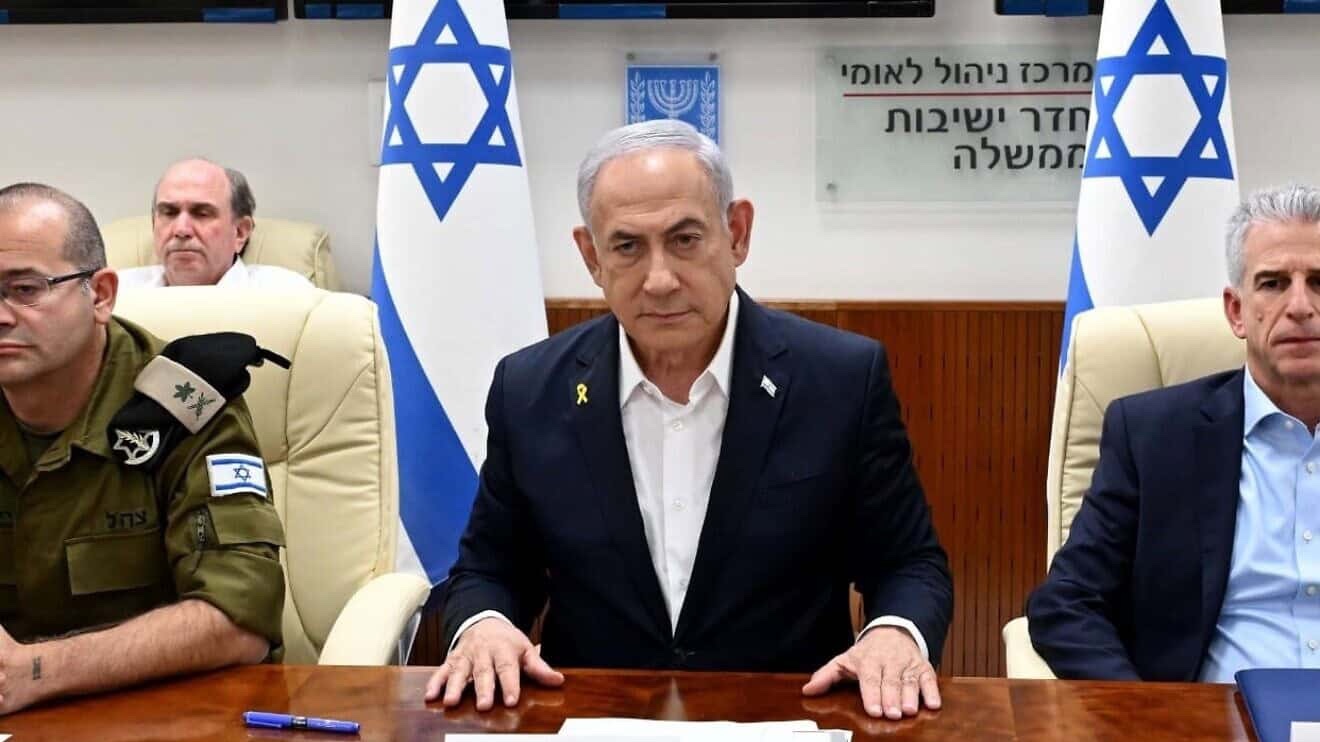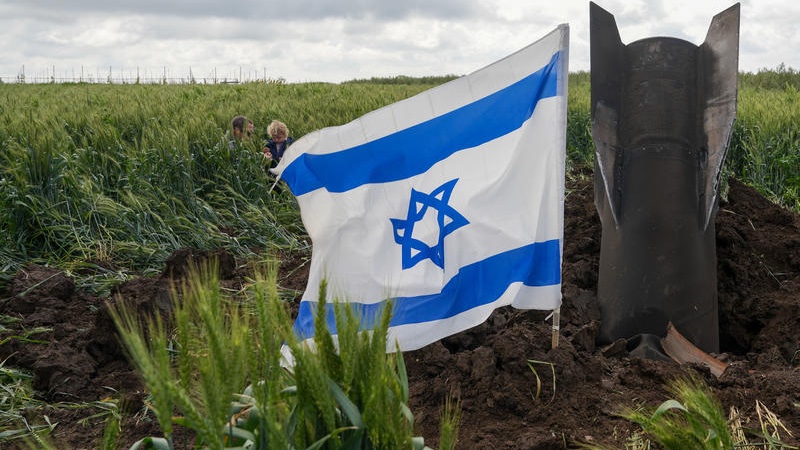

Israelis know how to recognize a military achievement. They also know how to recognize an unfinished war.
That is why the current ceasefire with Iran is not being received in Israel as a clean moment of relief or triumph. It is being received with caution, suspicion, and a familiar national instinct: to ask what was achieved, what business was left unfinished, and whether the fighting was halted before the strategic job was actually done.
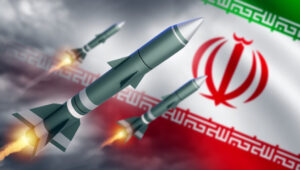
That is the core of the argument made by senior Channel 12 military correspondent Nir Dvori. His point was not that Israel failed to hit Iran hard. Quite the opposite. Iran was hit hard.
- Its military infrastructure was damaged.
- Its missile capabilities were degraded.
- Its heavy industry and nuclear facilities were struck.
- The regime was shaken.
Even so, Dvori argued that Israel had been compelled to halt the war roughly two weeks too early.
Wars are not measured only by the quality of the blows delivered, but by whether those blows produce lasting strategic conditions. In Dvori’s reading, the missing element was a final, decisive pressure point before the ceasefire took hold. Israel inflicted pain. What remains unclear is whether it translated that pain into durable leverage, or, as many still hope, the beginning of the collapse of the mullah regime.
This is why the mood in Israel remains uncertain.
The problem is not only what Iran lost. The problem is what Iran still retains: a functioning leadership, surviving military systems, and now, crucially, breathing room. A ceasefire does not freeze reality in Israel’s favor. It gives the other side time. Time to recover. Time to reorganize. Time to conceal. Time to reopen launch sites, restore tunnels, reposition assets, and learn from what was exposed during the fighting.
That is why the phrase “ceasefire” sounds very different in Jerusalem than it does in Washington or Brussels. In the West, a ceasefire is often treated as an inherently stabilizing event. In Israel, it is judged by a harsher standard: does it reduce the threat, or merely delay its return under improved enemy conditions?
That question now hangs over the Iranian front.
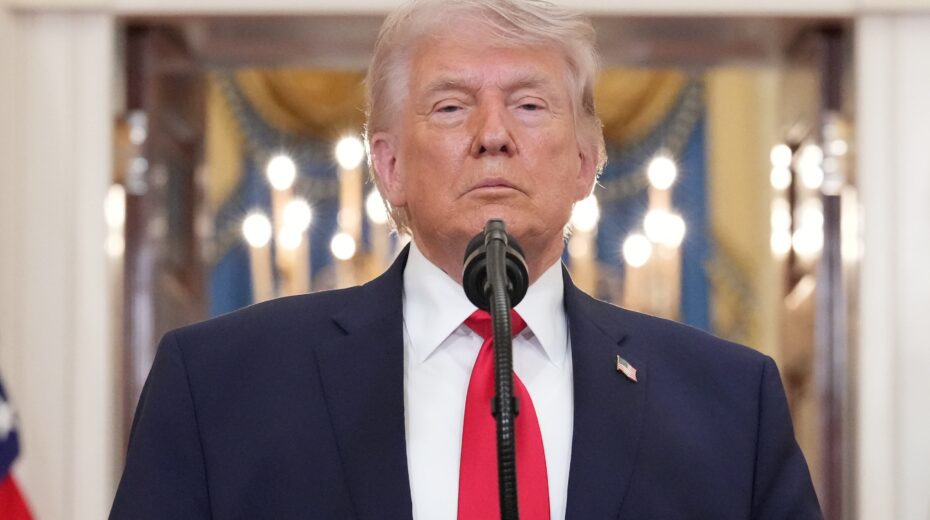
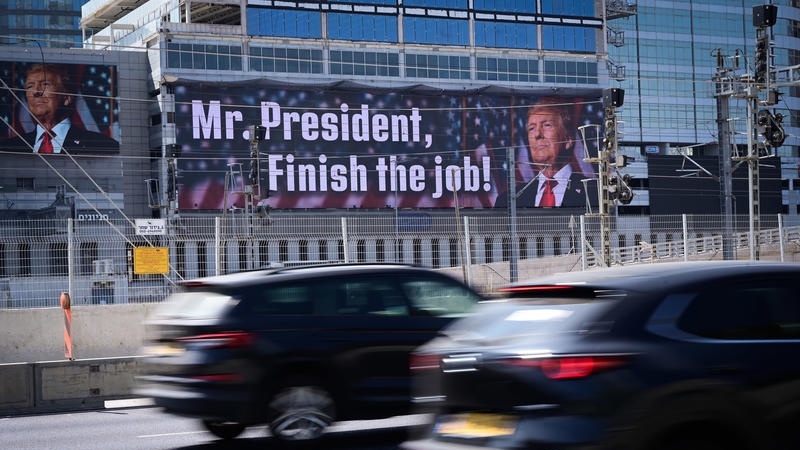
And hanging over it as well is a second question, one many Israelis are asking openly: did US President Donald Trump blink too early?
- Did Trump conclude that the cost of sustaining the war had become too high, and therefore opt for an off-ramp before the campaign had fully ripened?
- Did he decide that a partial achievement was good enough?
- Or did he simply prefer a negotiated outcome before the military pressure had reached its maximum effect?
From an Israeli perspective, these are not minor distinctions. They go directly to the credibility of the next phase. If talks with Iran now begin from a position of incomplete pressure, then Tehran enters those talks bruised but not broken, weakened but not disarmed, exposed but not strategically cornered. That is a very different scenario from one in which Iran would have been forced to negotiate after a more conclusive final strike.
The concern, in other words, is not only that Trump may have blinked. It is that Iran knows it.
And from there the unresolved questions multiply.
- What, exactly, is the condition of Iran’s enriched uranium stockpile? Where is it? How much survived? What access exists for verification? What happens if Tehran lies, delays, or fragments the picture just enough to keep diplomacy alive while preserving capability?
- What is the status of the missile program? Has it merely been damaged, or structurally set back? Can Iran quietly rebuild production lines, restore launcher networks, and regenerate long-range threat capacity under the cover of de-escalation?
- How long will Iranian reconstruction take, and what form will it take? Reconstruction is not a technical matter. It is a strategic one. A regime under pressure must choose where to direct money, manpower, engineering talent, and political focus. Will it prioritize domestic stability? Nuclear recovery? Missile restoration? Regional proxies? Internal repression? These choices will reveal far more than any press release.
Then comes the enforcement problem, which is always where elegant ceasefire language meets Middle Eastern reality.
- What happens when Iran violates the understandings? Not if. When. What is the mechanism of response? Who determines that a violation occurred? How quickly can enforcement happen? Is there real will in Washington to reapply military pressure, or only diplomatic irritation? If the answer is more meetings, more warnings, and more deadlines, then the ceasefire will become what many Israelis fear it already is: a pause that benefits the regime more than its adversaries.
- And will there be sanctions? Real ones, not rhetorical ones. Will Iran pay an economic price that constrains its reconstruction and rearmament, or will the regime once again learn that time, ambiguity, and Western fatigue are enough to survive until the next round?
These are the questions Dvori ended with, and they are the right questions because they strip away the performance of diplomacy and force attention back to the mechanics of deterrence. Israelis are not asking whether the war looked impressive on television. They are asking whether the outcome will make the next war less likely, less dangerous, and more favorable if it comes.
The same logic applies in Lebanon, where the danger is even more immediate. Dvori’s warning there was blunt: if Israel is pressured into stopping military activity in Lebanon without decisively dealing with Hezbollah, that will be a serious mistake. An “enforcement only” posture has already been tested. Israelis know what that leads to. Hezbollah reconstitutes. The border remains unstable. Northern residents do not truly feel safe returning home. And the state ends up managing a threat instead of removing it.
This is what so many Israelis have internalized after years of strategic half-measures. You do not solve a genocidal proxy army by weakening it just enough to guarantee another round. You solve it by ensuring that it cannot dictate the security reality of your border communities again.
That is why the present moment feels less like closure than like intermission.
Israel’s military performance has been significant. That part is not in doubt. The doubt begins where military success must be converted into political and strategic terms.
- Can this ceasefire be enforced?
- Can Iran be prevented from rebuilding what was hit?
- Can Hezbollah be denied the space to recover?
- Can the United States be trusted to return to pressure if talks fail?
- Or did Washington decide that stopping the war mattered more than finishing it properly?
Those are the questions now. And for Israel they are urgent.
Because in this region, ceasefires are never judged by the silence they produce in the first forty-eight hours. They are judged by what the enemy is able to do on day forty-eight, day one hundred, and day three hundred.
And by that standard, the war is not over. The test has simply changed.
Want more news from Israel?
Click Here to sign up for our FREE daily email updates