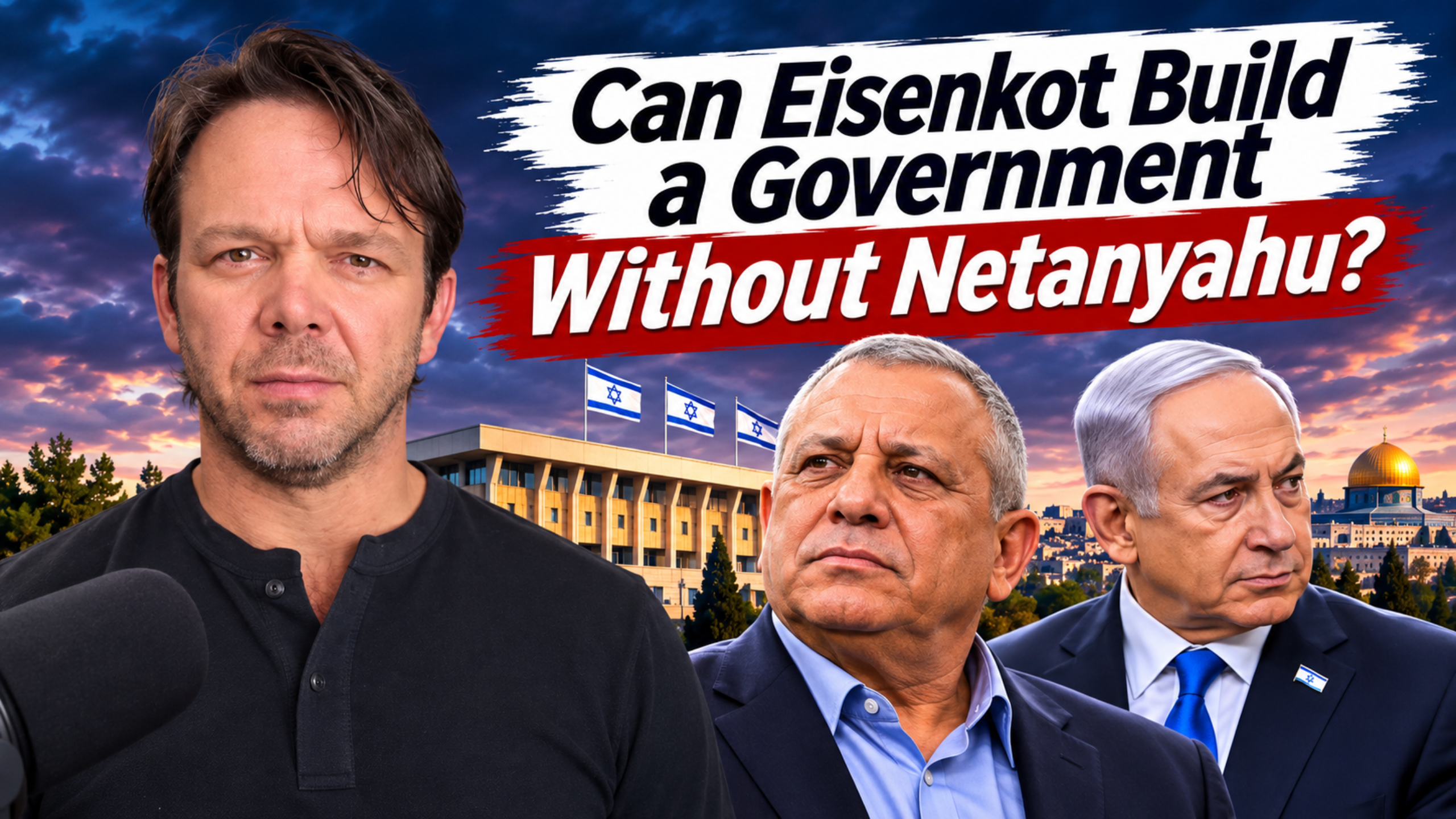
Israel’s Prime Minister Benjamin Netanyahu and the leader of the Yashar party, Gadi Eisenkot, met in Jerusalem on Thursday for a security briefing lasting approximately two hours. Netanyahu’s military secretary, Major General Guy Markizano, also attended the meeting.
In a subsequent joint statement, both sides announced that Eisenkot had been briefed on Israel’s current security and diplomatic challenges. They also agreed to hold further briefings if needed.
The meeting was preceded by a public dispute. On Wednesday, Eisenkot had addressed Attorney General Gali Baharav-Miara, complaining that his repeated efforts to obtain security briefings had been unsuccessful.
As a politician whom President Isaac Herzog had tasked with forming a new government, he required comprehensive information about the security situation, Eisenkot argued. This was particularly important, he said, as no new opposition leader had been officially appointed since the parliamentary election of October 27.
Under Israeli law, the prime minister must brief the opposition leader on security-related developments at least once a month. However, a corresponding legal entitlement does not automatically arise from Eisenkot’s mandate to form a government.
Dispute over possible military action against Iran
The controversy gained additional weight following Israeli media reports about possible disagreements between Netanyahu and military leadership regarding further strikes against Iran.
According to these reports, Chief of Staff Eyal Zamir is said to have expressed reservations about certain military steps that Netanyahu reportedly considered during the ongoing coalition negotiations. No independent confirmation of these reports is available.
Eisenkot therefore called on the prime minister to exercise particular restraint in security policy decisions during the political transition period. Military measures that were not necessary to counter an immediate threat should, where possible, be left to a new government. Furthermore, any such operations would need to be deliberated and approved in the cabinet and security cabinet in accordance with legal provisions.
The Prime Minister’s Office rejected the accusations. All security policy decisions were being made on the basis of professional considerations and in coordination with the relevant security authorities. The office described Eisenkot’s actions as an attempt to politicize sensitive security matters.
Netanyahu also stated that a security briefing had already been prepared before Eisenkot wrote to the attorney general. It was originally to be conducted by his military secretary, but his personal participation was later agreed upon.
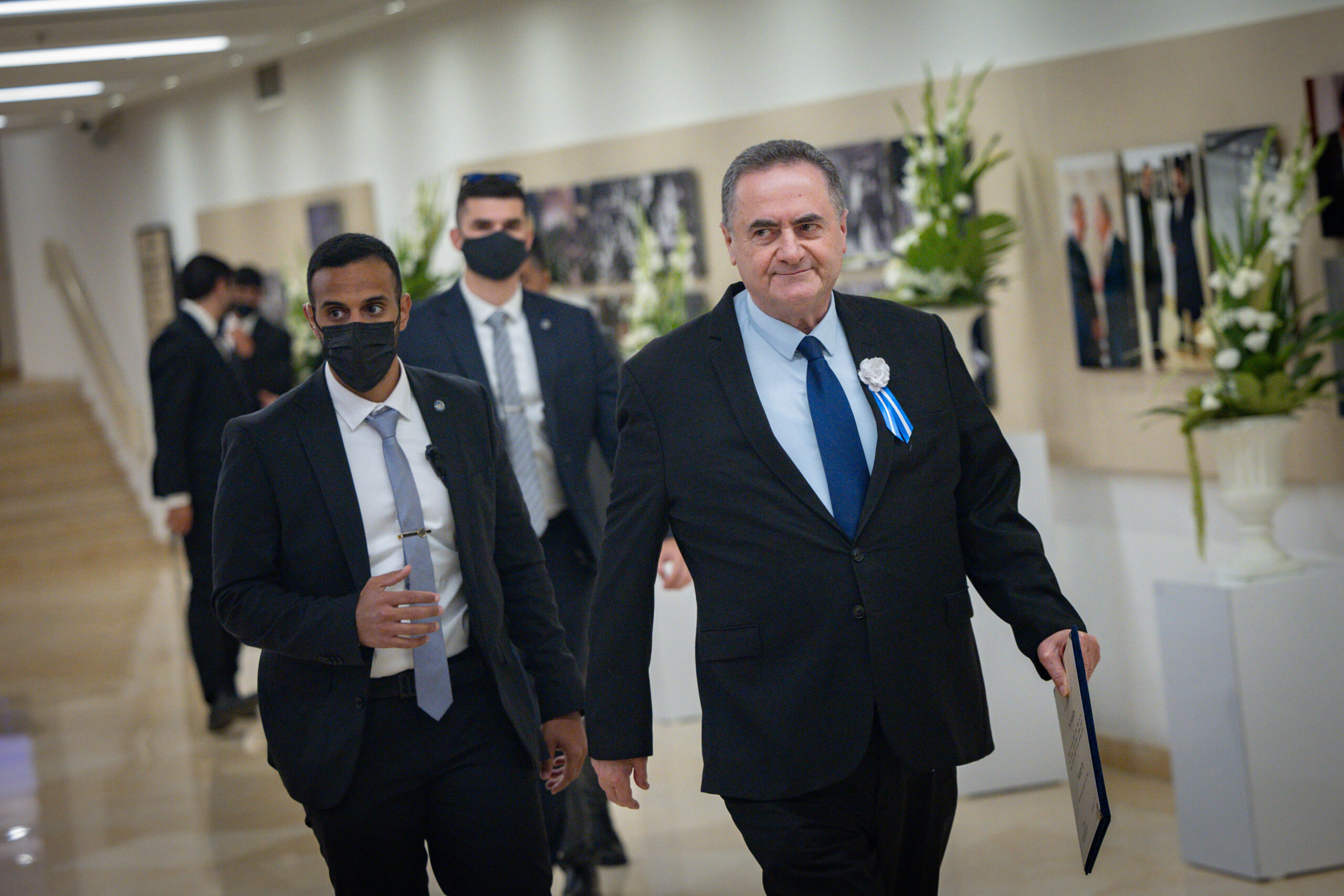
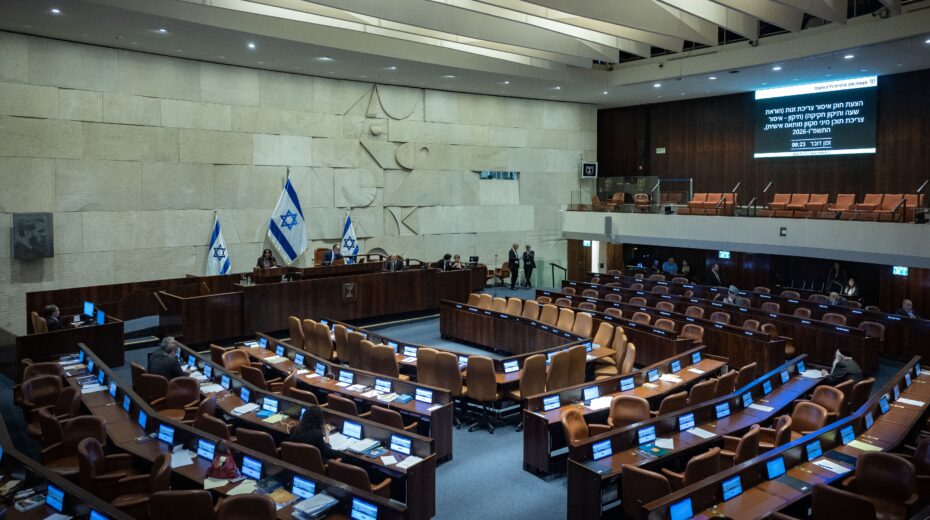
Defense Minister Israel Katz at the Knesset in Jerusalem on November 10, 2026. Photo: Chaim Goldberg/Flash90.
Defense Minister Israel Katz also defended the caretaker government’s ability to act. On X, he stated that it did not require the approval of the opposition or any legal authority to issue instructions to the military.
אנחנו לא זקוקים לאישור מהאופוזיציה או משום גורם משפטי כדי להנחות את צה”ל לביצוע סיכולים בעזה, פעולות הגנה והתקפה בלבנון, שימור אזור הביטחון בסוריה להגנת יישובי הגולן, פינוי שכונת מחבלים בחברון – מבצע שהוכיח את עצמו מעל ומעבר ביצירת אפקט הרתעה חזק – והמשך הפעילות ההתקפית נגד הטרור ביהודה ושומרון.
גם מול איראן הוכחנו נחרצות ושיקול דעת, בתיאום מלא עם צה”ל – וכך יהיה גם כעת בהתאם למה שיידרש.
ביטחון ישראל לא נמצא במעבר ולא ממתין להליכים הפוליטיים שמתנהלים במקביל.
יש ראש ממשלה אחד, שר ביטחון אחד שמנחים את צה”ל – וממשלה אחת שאחראית על קבלת ההחלטות בכל
הנוגע לביטחון ישראל והגנת תושבי מדינת ישראל, וזאת כמובן תחת הפיקוח הקיים והמתבקש.כך היה וכך יהיה גם בעתיד.
— ישראל כ”ץ Israel Katz (@Israel_katz) November 12, 2026
Following a security consultation with Zamir and other representatives of the defense establishment, Katz also dismissed reports of disagreements over the Iran issue. He said there was consensus between him, Netanyahu, and the chief of staff on Israel’s Iran policy.
The meeting between Netanyahu and Eisenkot shows that both political rivals are willing to communicate with each other on security matters despite their differences. Whether possible military action against Iran was also discussed has not been disclosed.
Want more news from Israel?
Click Here to sign up for our FREE daily email updates