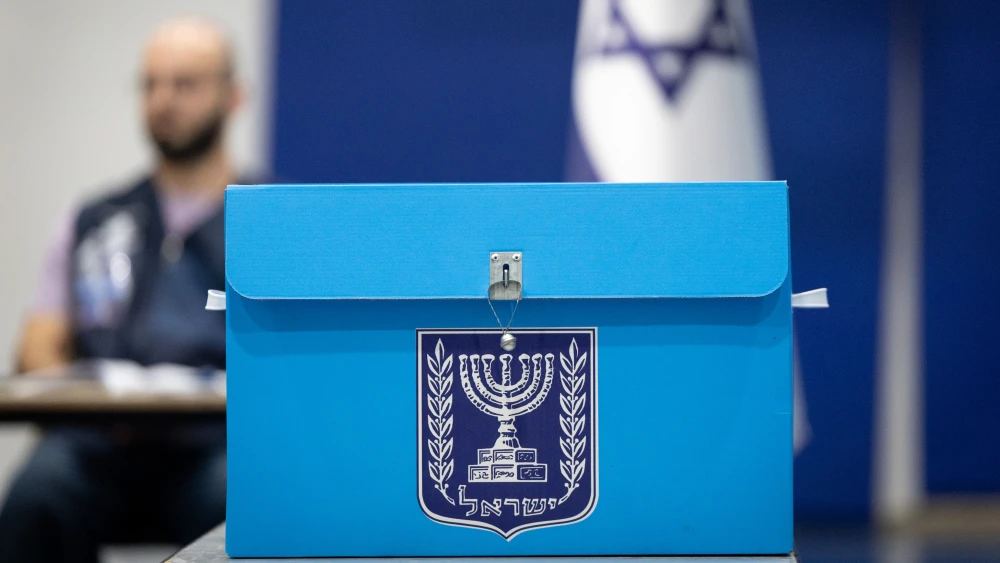

(JNS) The swirl of polls surrounding Israeli elections, especially the Oct. 27 exit polls that proved woefully inaccurate, exposes a problem beyond sampling quality or pollsters’ professionalism. Polls are limited tools, but the greater problem often lies with their readers: the public, politicians, and commentators who turn every numerical shift into a historic verdict.
We mistake snapshots for forecasts and estimates for results, forgetting that behind the numbers are people with identities, memories, hopes and loyalties. We ask numbers to explain society instead of understanding society to interpret the numbers.
There is a troubling gap between our emphasis on mathematics education and our consumption of quantitative information. Students learn probability and statistics, yet political debate treats numbers on a screen as certainty.
What does a six-seat gap between blocs mean when a poll reports a margin of error of roughly four percentage points? Before declaring victory, we must ask what that margin covers, how seats were calculated, how parties near the electoral threshold affect projections and how undecided voters are...
Become a Member
-
Read all member content
Get exclusive in-depth reports from Israel.
-
Get exclusive in-depth reports from Israel
Connect with Israel, right from your home.
-
Lift up the voice of truth and hope
Support Jerusalem-based Zionist journalism.

Already a member? Login here.