
The war may not be over. Israel remains on alert, the ceasefire in Lebanon is fragile, and no serious Israeli should assume the Iranian regime or its Lebanese proxy have abandoned the field. Hostilities could resume at any moment. But that is precisely why the IDF has now published a summary of the campaign’s achievements so far: to answer a growing chorus of criticism claiming that Israel had not truly “won” and that the operation produced little of strategic value.
The IDF’s response is clear: Far from a symbolic exchange, this has been a broad, coordinated, intelligence-driven campaign that significantly degraded Iran’s military infrastructure, disrupted its command structure, weakened Hezbollah’s operational capacity, and reshaped the strategic map of the Middle East.
According to the IDF, planning for the next phase against Iran began immediately after the previous campaign, Operation Rising Lion, in June of last year. Intelligence showed that Tehran began almost immediately to rebuild damaged capabilities, hardening nuclear and weapons-production sites underground, and advancing strategic missile and nuclear programs. That is the context for today’s Operation Roaring Lion.
The opening blow was designed to paralyze, at least temporarily, the Iranian regime and throw it into some degree of disarray. In a meticulously synchronized strike, the upper echelon of Iran’s leadership, including Supreme Leader Ali Khamenei, was eliminated.
‼️The chain of command behind Iran’s terror network: eliminated.
For years, these terrorists openly called for the destruction of Israel. Throughout Operation Roaring Lion, we precisely targeted and eliminated them, ensuring they can no longer pose a threat on our civilians. pic.twitter.com/Wb8oustQG1
— LTC Nadav Shoshani (@LTC_Shoshani) April 17, 2026
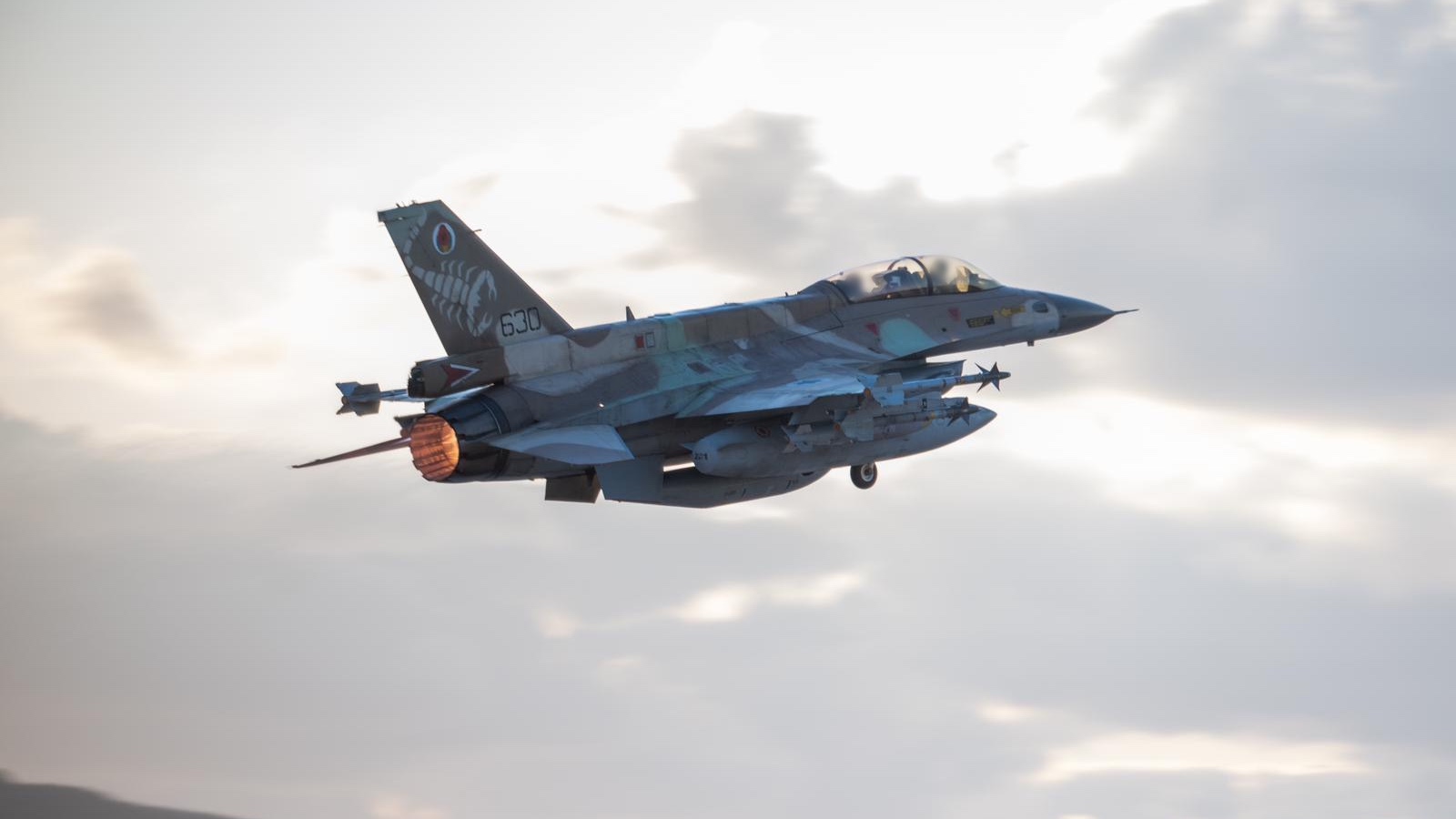
That was rapidly followed by the largest attack wave in Israeli Air Force history—roughly 200 aircraft hitting more than 500 targets across Iran. The goal was both “shock and awe,” but also immediate damage to the regime’s ability to respond in an organized way. That, too, was successful as seen in the greatly reduced number of missiles and drones launched by Iran against Israel in comparison to previous rounds of direct conflict over the past two years.
Within just 24 hours, Israel had achieved air superiority over western Iran, including the capital Tehran, allowing it to move from an opening strike to a sustained campaign. Once Iranian air defenses were heavily degraded, the Air Force could expand operations against missile launchers, ballistic missile infrastructure, military industries, command centers, and economic assets supporting the regime.
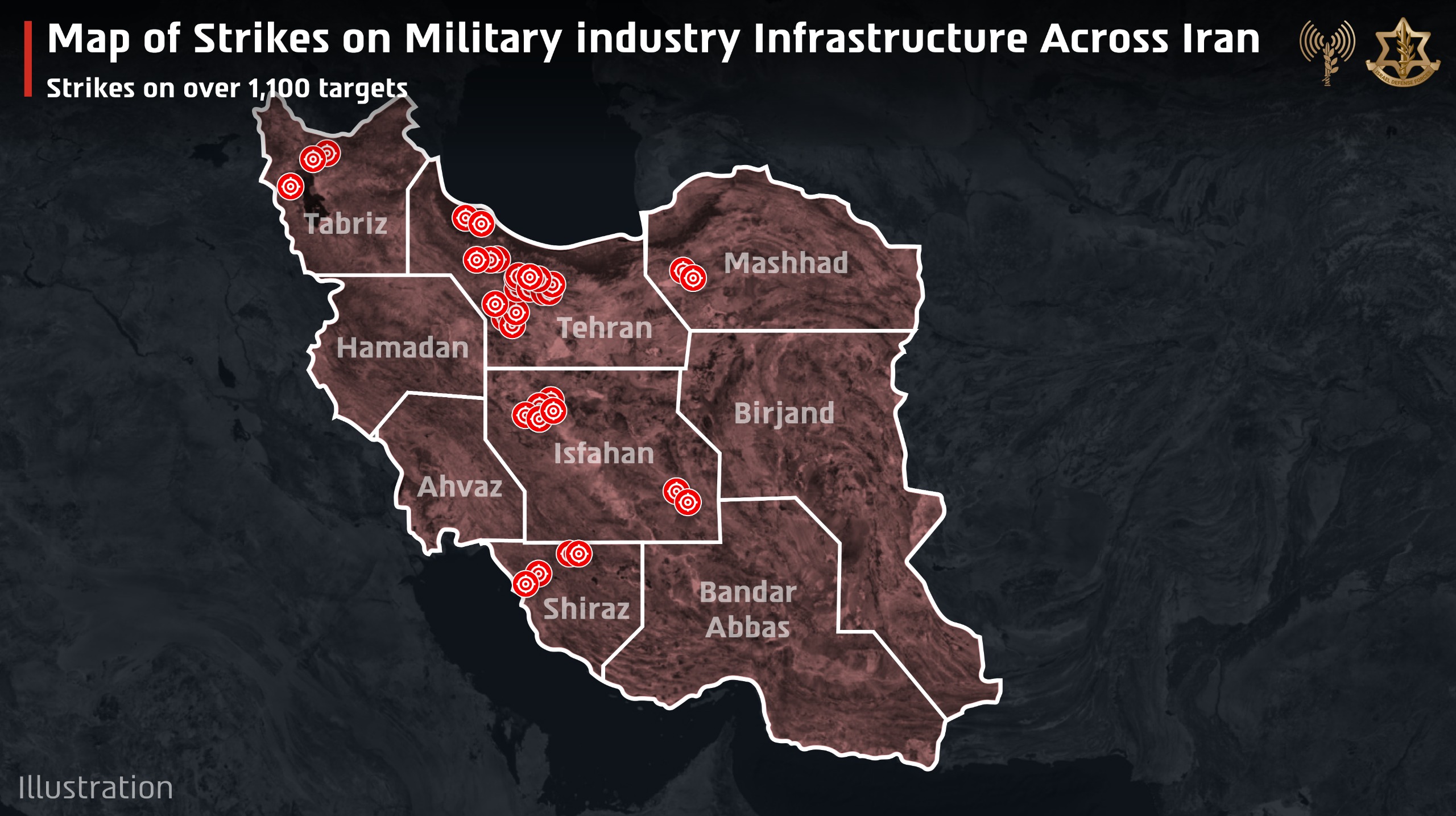
Image: IDF Spokesman
The ballistic missile campaign appears to have been one of the clearest areas of impact. The IDF says it targeted not only missiles and launchers, but the wider production chain behind them—from raw materials and electronics to factories and support infrastructure. The point was not merely to destroy current inventory, but to impair regeneration.
The nuclear file is described more carefully. The IDF does not claim total dismantlement, but it does say it struck elements of Iran’s nuclear infrastructure and enrichment program as part of a broader effort to damage the regime’s strategic capabilities.
Israel also expanded the campaign to include petrochemicals, metals, steel, oil-related infrastructure, AI-linked facilities, and even Iranian naval assets in the Caspian Sea. They aim was to put pressure on the regime by hitting multiple systems critical to its ability to maintain power.
🎯STRUCK: Several Iranian terror regime headquarters in Tehran
Dozens of IAF fighter jets used 100+ munitions in the strikes that targeted:
• A Quds Force base used as a command post for coordinating and overseeing intelligence & operational activity
• An IRGC aerial defense… pic.twitter.com/tTur69j2EO— Israel Defense Forces (@IDF) March 23, 2026
Just as important in that regard was the effort against the regime’s command and repression apparatus. The IDF says it struck senior figures in the Revolutionary Guards, Quds Force, intelligence branches, and internal security structures, while also damaging the Iranian Ministry of Intelligence and other organs responsible for control, coordination, and regional terror activity. The result, it argues, was not regime collapse, but serious disruption: a system still capable of local responses, yet increasingly less able to operate coherently over time.
Israel is effectively arguing that this war should not be judged by cartoon standards—whether Tehran fell overnight or every threat vanished instantly—but by whether the enemy was degraded, disrupted, and denied easy recovery. On those terms, the IDF is claiming substantial success.
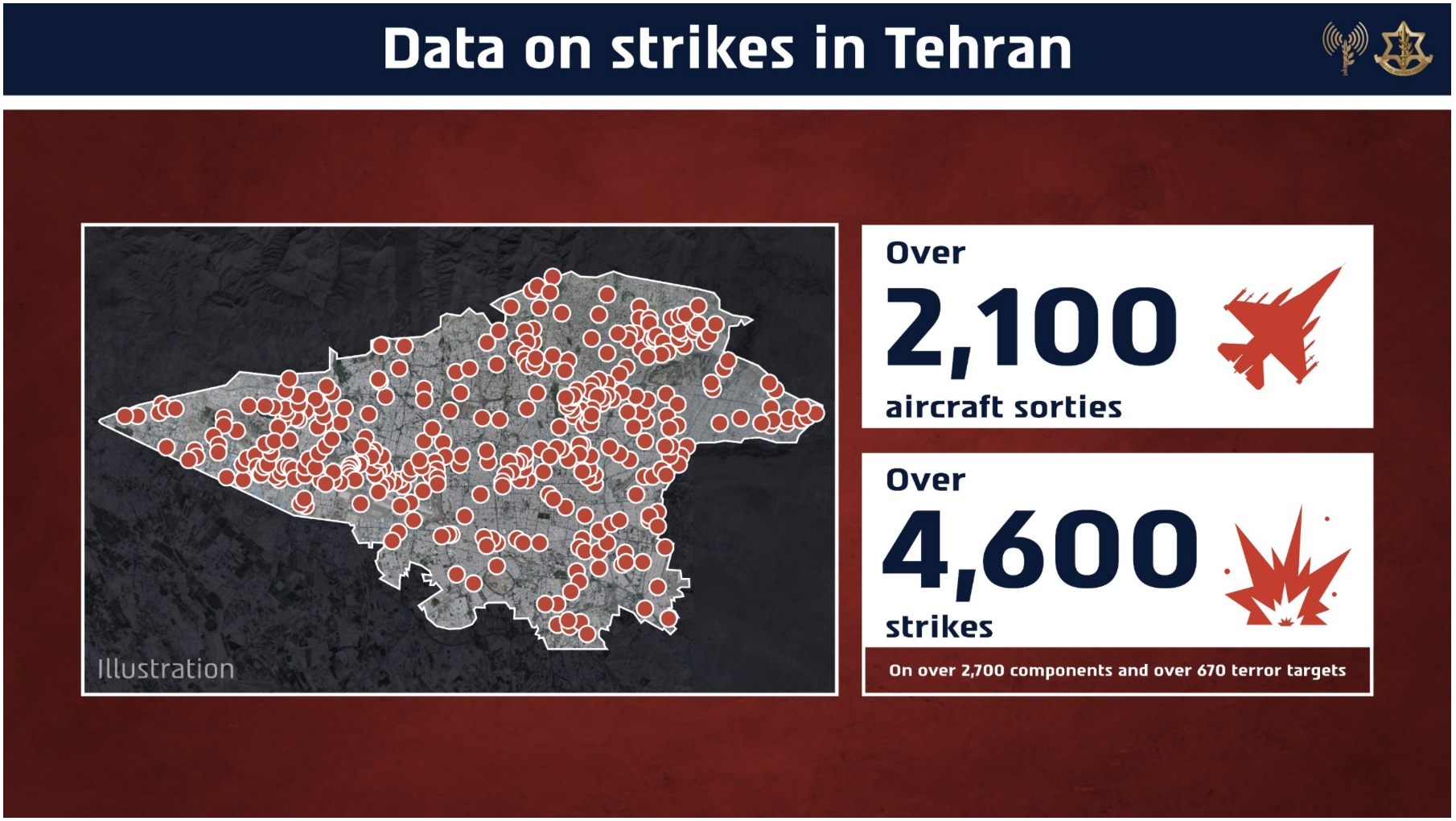
Summary of Israeli military action against Iran:
- More than 8,500 aircraft sorties carried out
- More than 1,000 strike waves conducted
- Some 10,800 total strikes launched
- Approximately 6,700 of those strikes hit targets, components, and infrastructure
- Around 250 air defense systems destroyed
- About 60% of missile launchers taken out of action
War in Lebanon
The Lebanon front tells a similar story. The ceasefire may be in place for now, but the IDF says it remains positioned in commanding terrain inside Lebanon to defend northern communities, with Israeli forces still serving as a buffer between Hezbollah and the border.
According to the military, Hezbollah shifted its fighting patterns during the war, relying less on direct friction and more on guerrilla-style tactics, anti-tank fire, drones, artillery, and decentralized field command. Israel’s response was to strike Hezbollah’s core systems across Lebanon from the air, sea, and land: missile arrays, production capabilities, headquarters, command-and-control networks, and transit routes used to move men and weapons southward.
✈️ Within a minute, the IDF eliminated 180+ Hezbollah terrorists in 3 areas simultaneously in a large-scale strike based on precise and high-quality intelligence.
~100 targets were struck simultaneously across Beirut, the Beqaa, and southern Lebanon, including main command… pic.twitter.com/0HvbwGJkT1
— Israel Defense Forces (@IDF) April 10, 2026
The financial front was hit as well. The IDF says Hezbollah suffered major damage to its funding and smuggling networks, especially along the Shiite corridor through Syria and through Iranian support channels. It also targeted economic assets tied to Hezbollah’s operating structure, including fuel stations and cash-storage sites used to fund salaries, weapons procurement, and broader terrorist activity.
One of the sharper blows came in what the IDF dubbed Operation “Eternal Darkness”—a tightly timed attack on roughly 100 Hezbollah targets, including command-and-control assets, carried out in about a minute. The aim was to disrupt the group’s ability to manage the fight and coordinate barrages against Israeli civilians and troops.
The campaign against Hezbollah, by the numbers:
- More than 1,700 Hezbollah terrorists eliminated
- More than 5,050 targets struck
- More than 2,500 aircraft sorties carried out
- More than 14,900 artillery strikes conducted
These are not the statistics of a war in which “nothing happened.” They point to a campaign of real scale and real effect.
None of this means the war is finished. The mullah regime and its Islamic Revolutionary Guards are still in power. Hezbollah is damaged, but still not disarmed. But the IDF’s summary makes one point unmistakably clear: the claim that Israel came away with little to show is simply not serious. And if and when Israel determines to strike again, there is little its enemies can do to stop it.
Want more news from Israel?
Click Here to sign up for our FREE daily email updates