

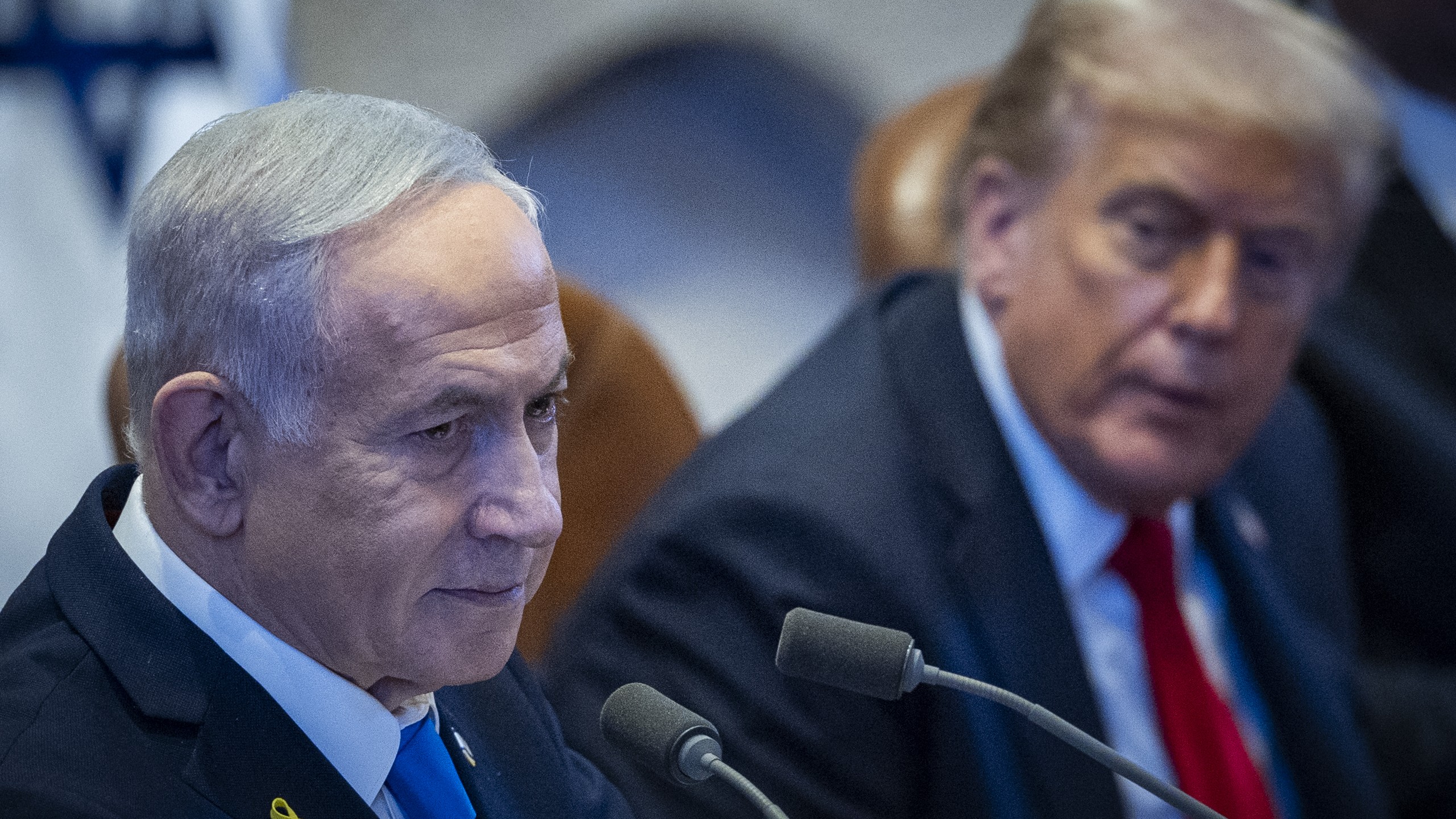

Following renewed Iranian missile attacks on Israel and the subsequent Israeli strikes on targets in Iran, US President Donald Trump has called on both sides to immediately cease hostilities. While Washington is focused on de-escalation, Israel assumes that the current confrontation could continue for several more days.
“Israel and Iran must stop shooting immediately,” Trump said on Monday. The statement came against the backdrop of a new round of escalation between the two arch-enemies. In the early morning hours, Iran had once again fired missiles at Israel. The Israeli Air Force responded with strikes on military targets in Iran.
Israel and Iran must immediately stop “shooting.” President DONALD J. TRUMP
( TruthSocial: Jun 8 2026, 5:36 AM ET ) pic.twitter.com/UH64jBwk6u
— Commentary Donald J. Trump Truth Social Posts On X (@TrumpTruthOnX) June 8, 2026
Trump has been working for months toward a diplomatic solution to the conflict with Tehran. In his view, the current crisis must not develop into a broader regional war. The US President has repeatedly emphasized that he continues to rely on negotiations and wants to prevent further escalation.
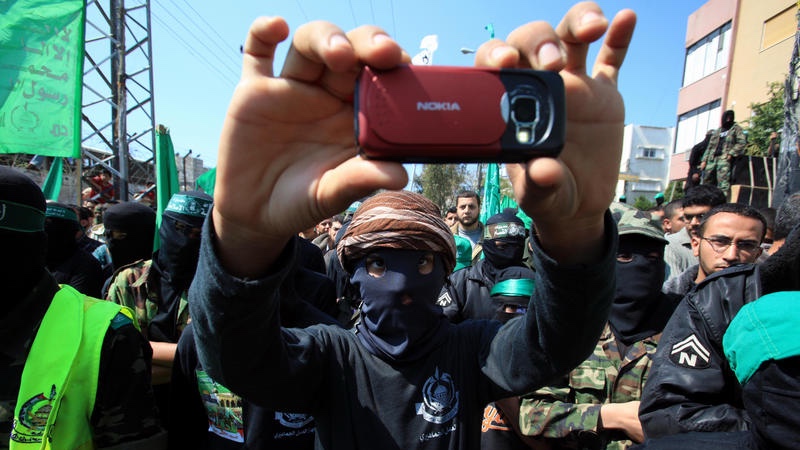
In Israel, however, the situation is assessed differently. From an Israeli perspective, this is not an ordinary exchange of blows, but another direct attack by the Iranian regime on the Jewish state. This is not only about the current missile attacks. For years, Iran has been waging war against Israel through its proxy organizations Hamas, Hezbollah, and the Houthis, and is now also attacking directly itself.
Accordingly, expectations are high that Israel will respond to the latest attacks. Restoring deterrence is considered by many security experts to be a decisive factor in preventing further Iranian attacks.

At the same time, there are increasing indications that the current confrontation will not end within a few hours. In Israel, it is assumed that the conflict could continue for several more days. Security circles expect additional days of fighting. In reference to the earlier operation “Roaring Lion,” the new round of escalation is already being referred to as “Roaring Lion 2.”
This creates a difficult balancing act for Israel’s leadership. On the one hand, the strategic partnership with the United States remains of central importance. On the other hand, Israel faces pressure after the Iranian missile attacks to demonstrate strength and maintain its deterrence capability.
Whether Trump’s appeal will influence Jerusalem’s further decisions remains unclear at present. What is certain, however, is that priorities currently differ. While Trump primarily wants to prevent further escalation, in Israel the question is how to respond to the Iranian attacks in order not to lose deterrence.
I admit that this time I find myself wondering whether Israel will once again end this confrontation prematurely. The memory of Operation “Roaring Lion” is still fresh. At the time, I had the impression that the operation was halted before its actual strategic objectives were achieved. The Iranian regime remained in power, its missile program continues, and the threat to Israel has not disappeared.
Today, Tehran once again presents itself as the victor to its own public and to its allies. This raises the question of whether the restraint shown at the time actually achieved the desired effect. I fear that Iran has used the time and continues to work on its plans to threaten Israel in the long term and ultimately call into question the existence of the Jewish state.
Sometimes I find it difficult to understand President Trump’s position. Of course, I understand that he must also take American interests into account. The congressional elections are casting their shadow ahead, and rising oil and gasoline prices can quickly become a political problem in the United States. A loss of the majority in Congress would significantly limit his political room for maneuver.
Here in Israel, however, the situation is perceived differently. For us, it is not primarily about the price of gasoline or the stability of the markets. For many Israelis, it is about their own security and ultimately about the existence of the Jewish state. That is precisely why the question of how this new round of “Roaring Lion 2” ends will have significance far beyond the current headlines.





Amein! Trump does NOT understand: the U.S. is not being attacked from all sides. Believe me, if it were, his reaction would be different!