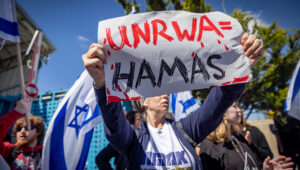

UNRWA has told donor governments that it is implementing reforms designed to remove incitement, antisemitism, and glorification of violence from its education system. A new report says those claims do not withstand scrutiny.
The Institute for Monitoring Peace and Cultural Tolerance in School Education, known as IMPACT-se, reviewed UNRWA’s compliance with recommendations issued in 2024 by a UN-commissioned panel led by former French Foreign Minister Catherine Colonna.
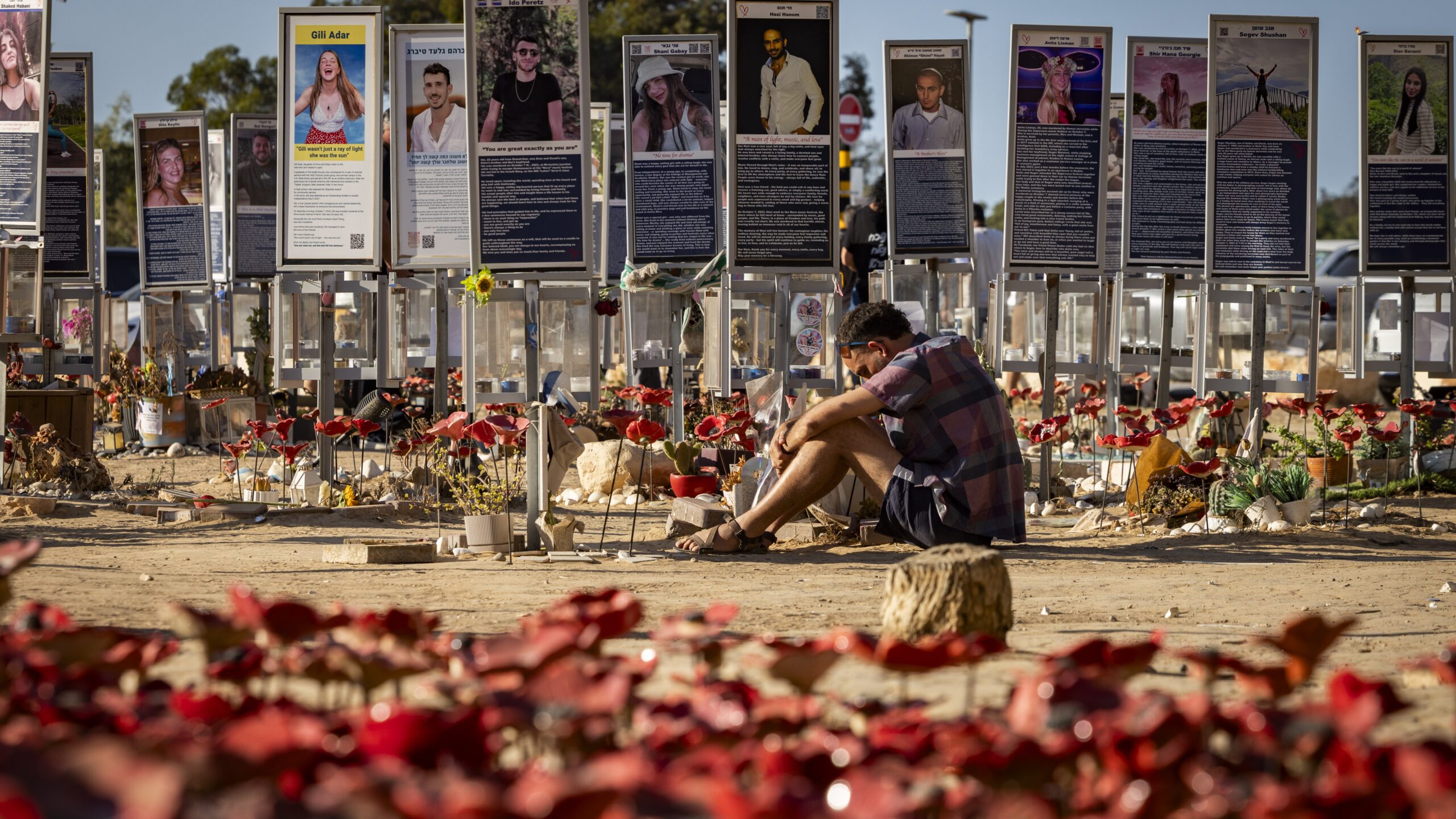
That review followed revelations that UNRWA employees were implicated in the Hamas-led massacre of Oct. 7, 2023. It produced 50 recommendations intended to strengthen neutrality and prevent the agency’s schools and staff from promoting hatred or violence.
According to IMPACT-se, UNRWA has presented limited or procedural changes as completed reforms while continuing to use educational material that violates the standards it publicly claims to have adopted.
See related: Israeli deputy FM says UNRWA is a terrorist organization
The watchdog says UNRWA altered its own reporting criteria, making it easier to classify recommendations as fulfilled. At the same time, the agency continued seeking donor money to implement reforms it had already declared complete.
The most serious failure concerns education.
One Colonna recommendation required UNRWA to stop using material containing antisemitism or incitement to violence. Yet IMPACT-se says such content remains in classrooms, including an eighth-grade Arabic textbook that glorifies suicide bombers, celebrates attacks on Israelis, and uses violent imagery as part of language instruction.
This matters because major donors have cited UNRWA’s supposed reform progress to justify continued funding. The European Union, Germany, and Britain remain among its largest financial backers.
Donors are not being asked merely to fund humanitarian relief. They are being asked to trust UNRWA’s own account of its conduct.
The evidence suggests that trust has not been earned.
See: Trump’s Board of Peace wants UNRWA out of Gaza