“The UAE and the airline deserve for us to set aside speculation and allow them to thoroughly investigate what actually happened,” a former Israeli envoy to the United Arab Emirates wrote.
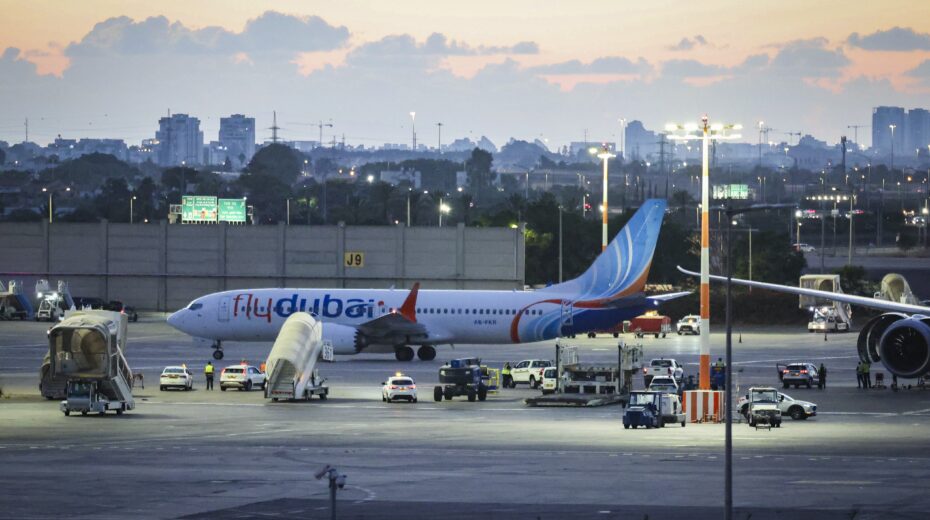
“The UAE and the airline deserve for us to set aside speculation and allow them to thoroughly investigate what actually happened,” a former Israeli envoy to the United Arab Emirates wrote.
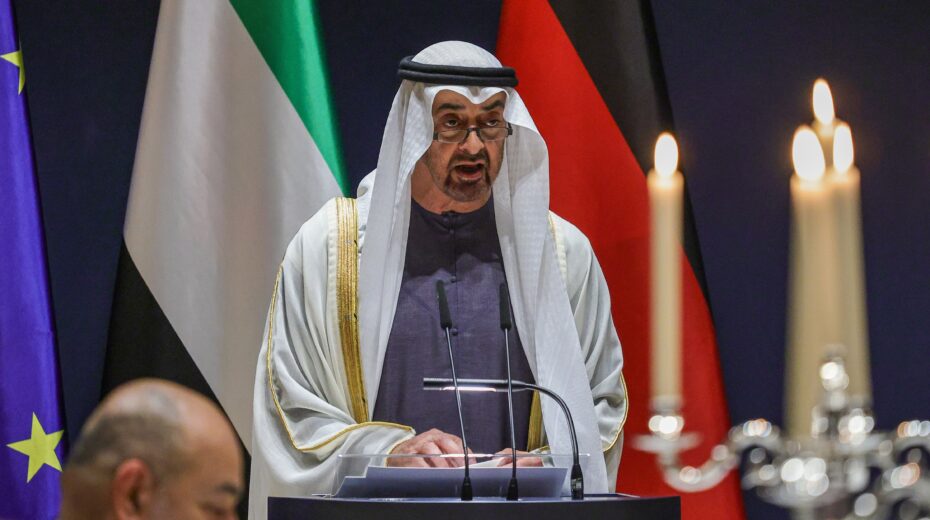
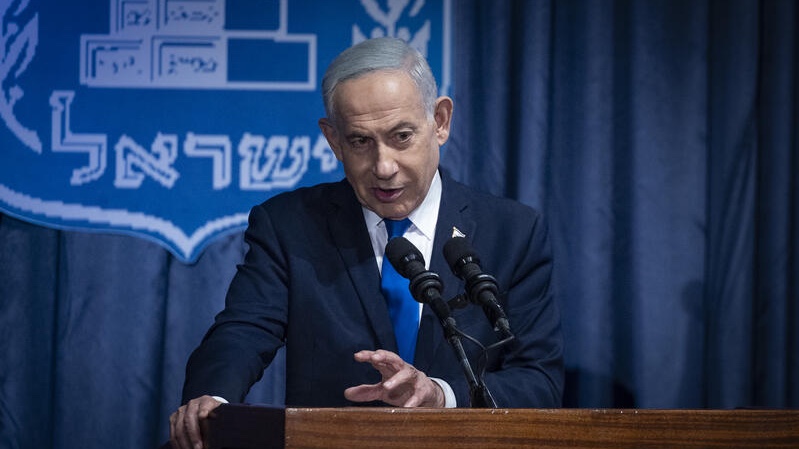
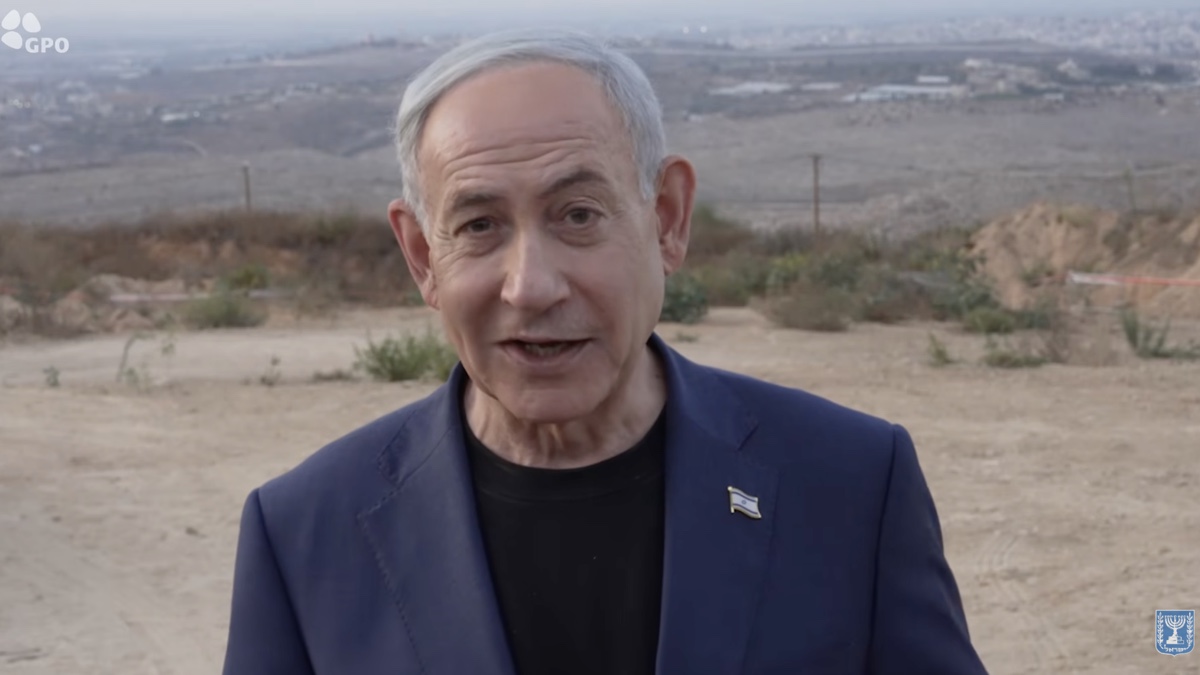
In May, the Israeli Prime Minister’s Office said that the premier secretly visited the Gulf state.
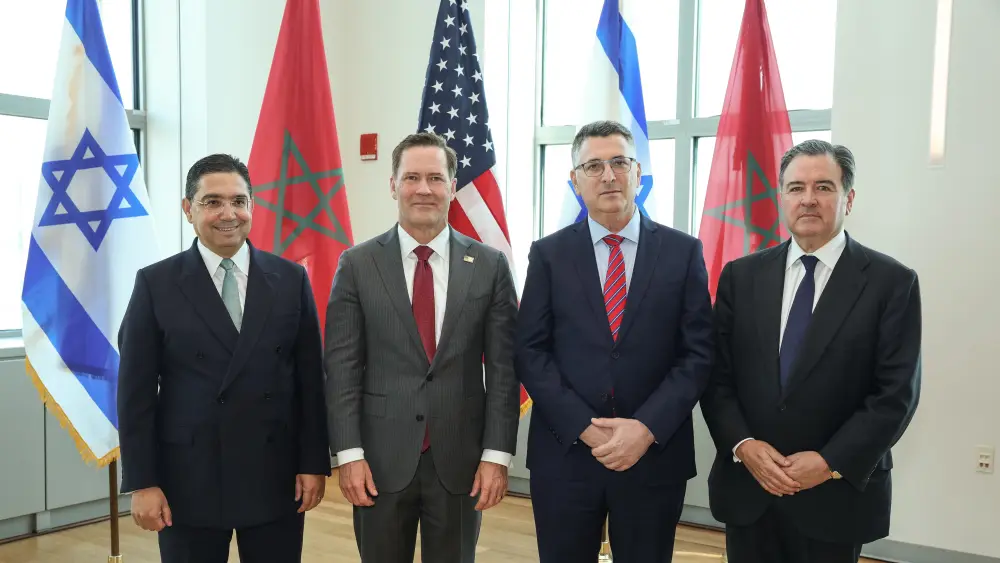
“The friendship between the Moroccan and Jewish peoples has deep roots and a rich history,” said Israeli Foreign Minister Gideon Sa’ar.
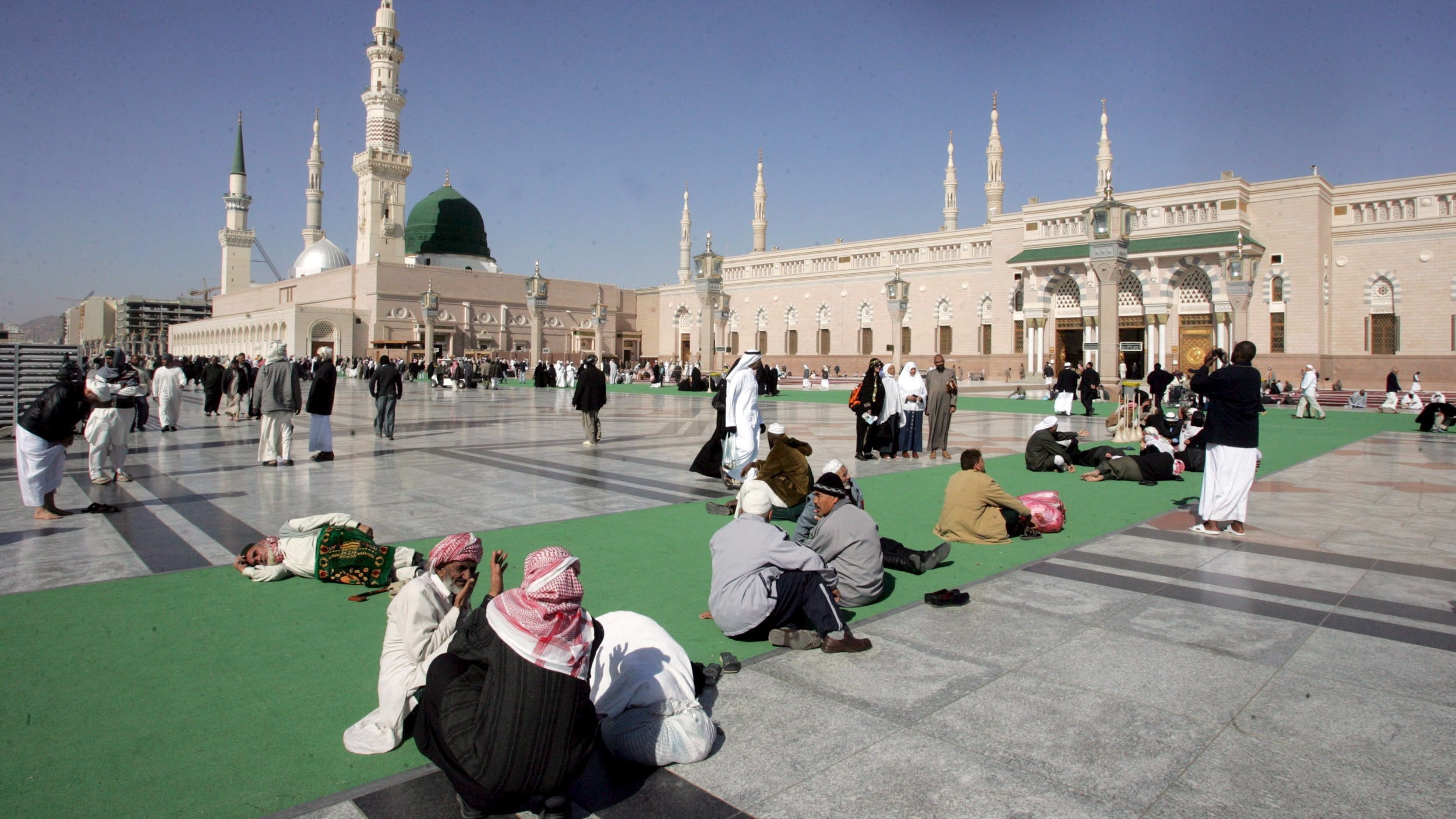
If Riyadh ultimately enters into the Abraham Accords, the consequences would be significant and structurally enduring for the Jewish business community and the world at large.
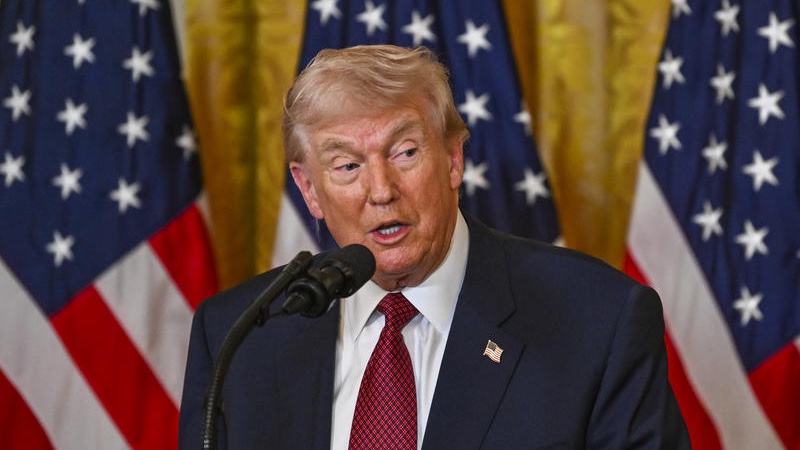
“I’m not sure we should make the deal if they don’t sign,” the US president said at a cabinet meeting on Wednesday. “I think they owe that to us.”
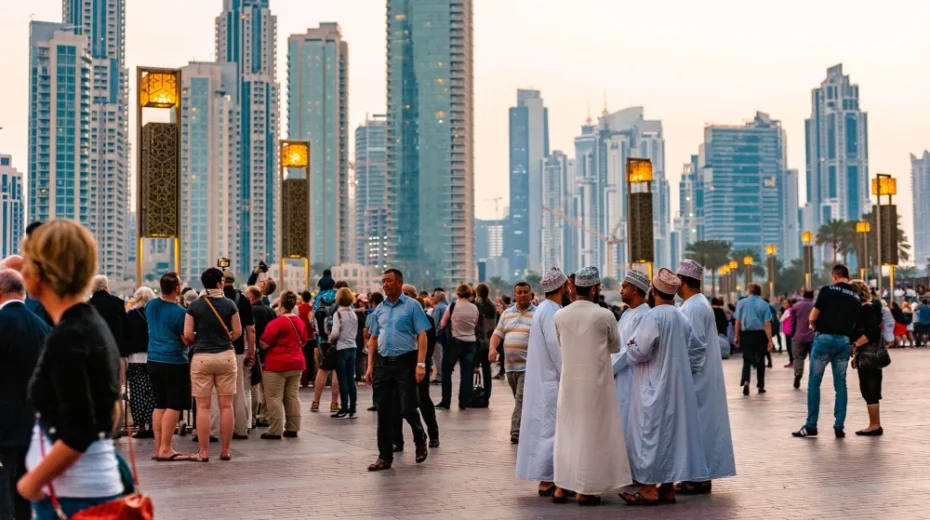
The normalization process marked the start of a regional transition away from revolutionary rhetoric and toward a new logic grounded in economic integration, intelligence cooperation, technological modernization and strategic realism.
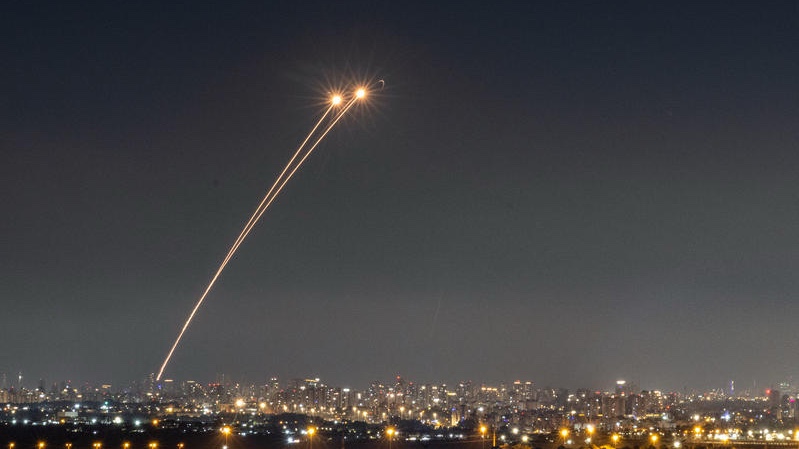
The unprecedented move underscores the deepening security alliance between Israel and moderate Arab states facing the same Iranian threat.
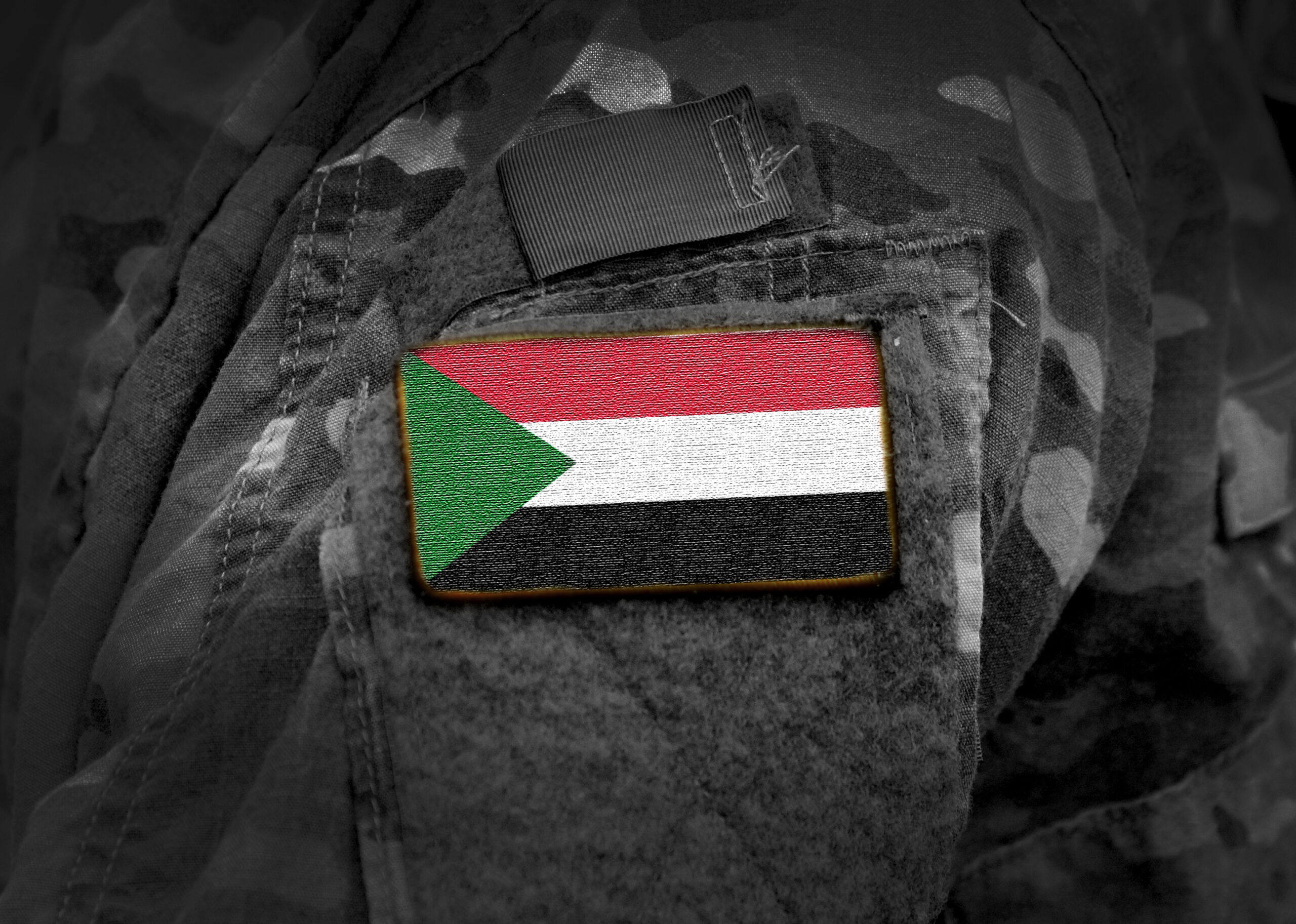
Restoring normalization with Israel depends on three conditions: preventing an Islamist return to power, dismantling Iran’s growing influence and stabilizing Eastern Sudan.
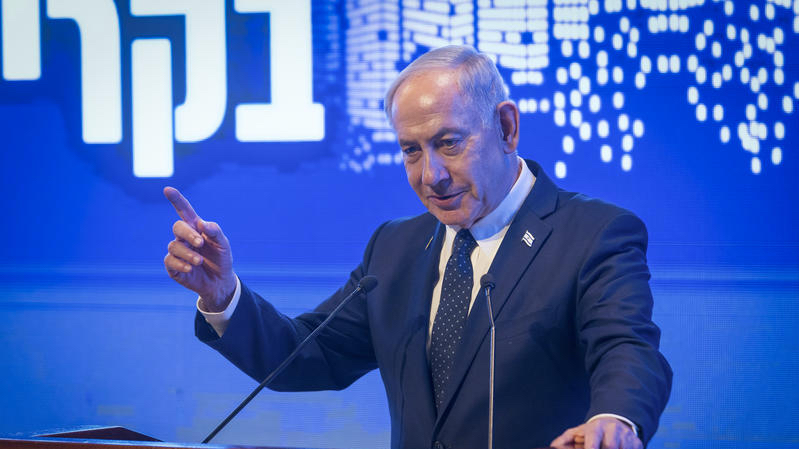
Netanyahu may be polarizing, but he keeps winning elections. If Arab states won’t deal with him, are they really ready for normalization?
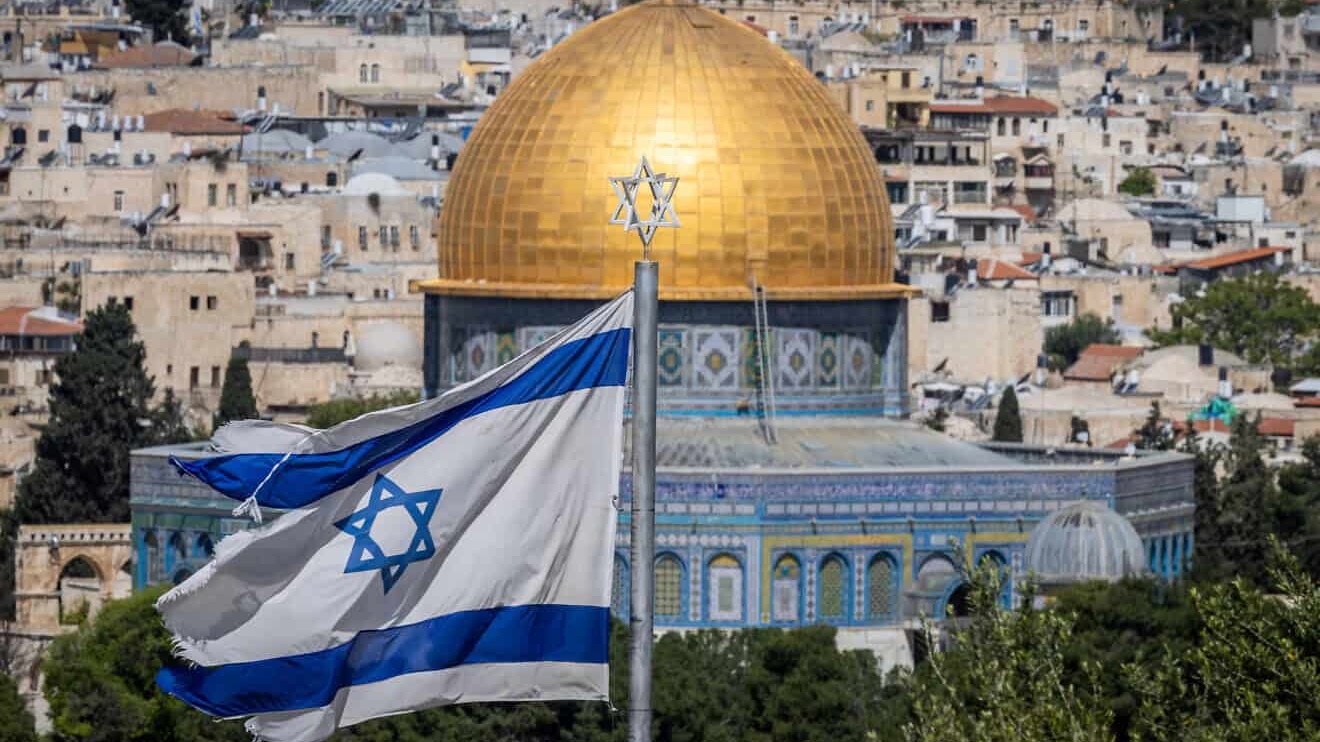
If regional integration were truly being embraced by Israel’s Arab neighbors, they would agree to Israel’s sovereignty over the country’s heartland.