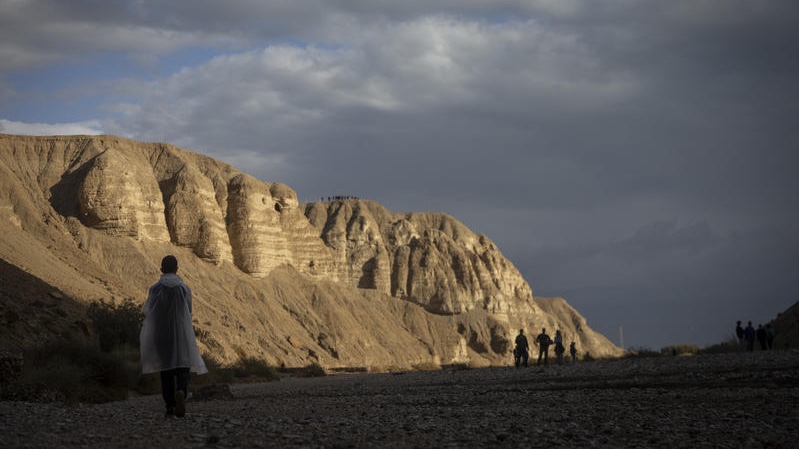
Despite diplomatic talks between Washington and Tehran, Israel’s north remains a place of permanent uncertainty. Daily life continues — but the reality of war does not disappear.
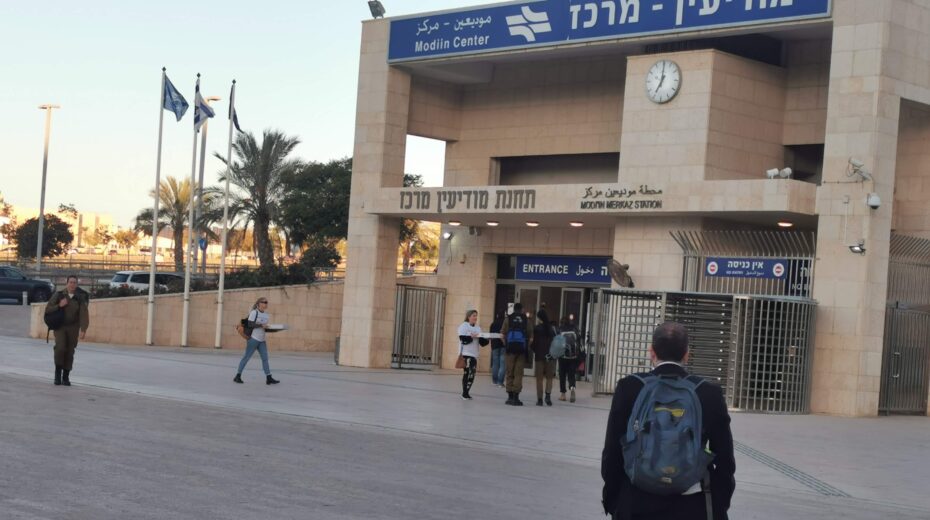
Despite diplomatic talks between Washington and Tehran, Israel’s north remains a place of permanent uncertainty. Daily life continues — but the reality of war does not disappear.
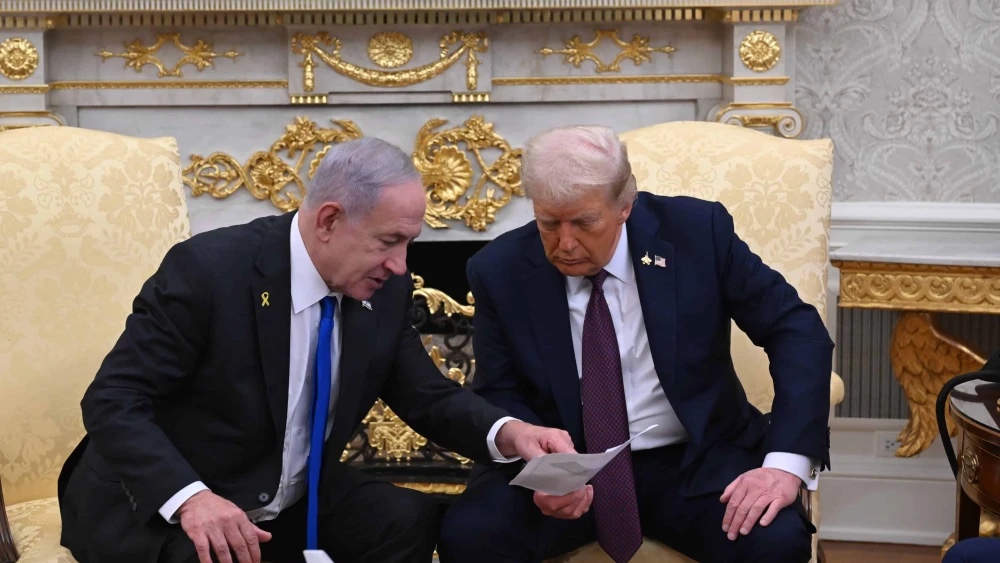
A US-Iran deal may delay Tehran’s nuclear ambitions, but it leaves unresolved the regime’s missile arsenal, regional proxies and long-term intentions.
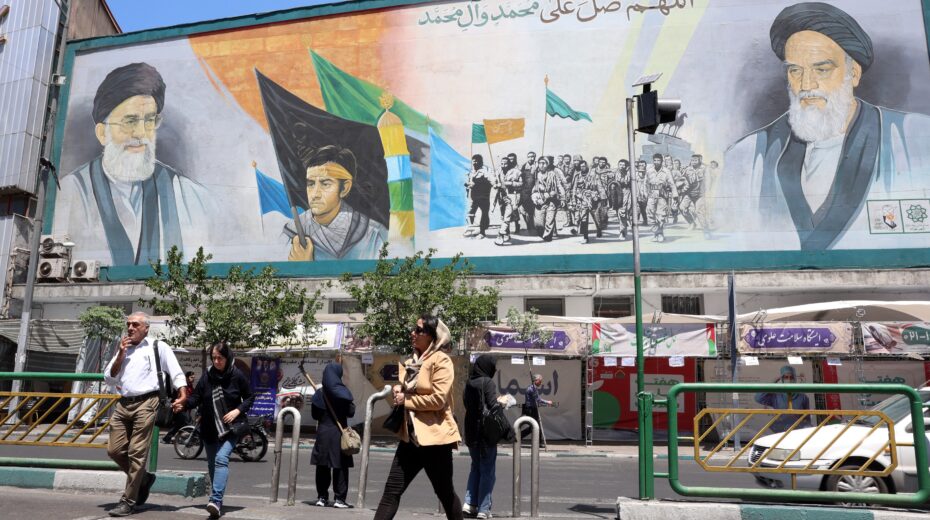
Netanyahu says operational freedom includes in Lebanon, as the American president vows no Tehran deal without dismantling its nuclear program and removing enriched uranium.
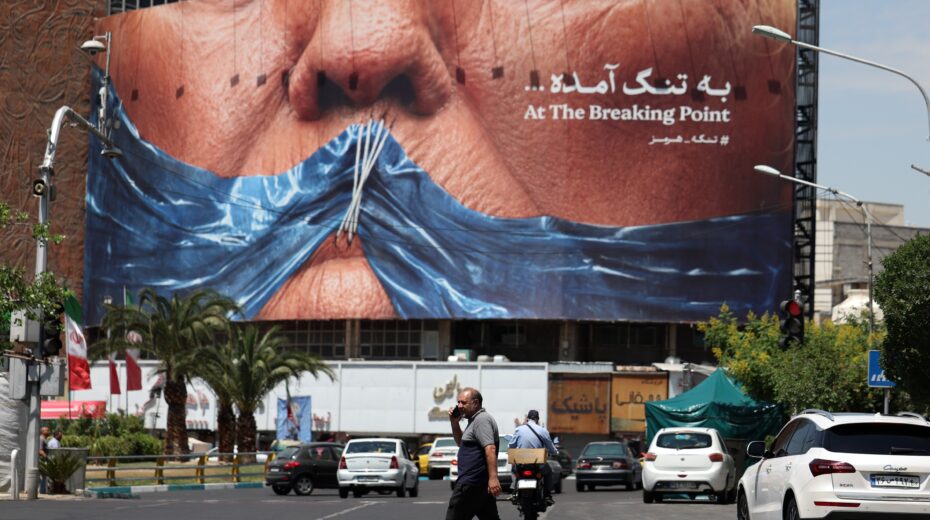
Israel’s influence in Washington is said to be declining amid fears of an agreement that could benefit Iran more than harm it.
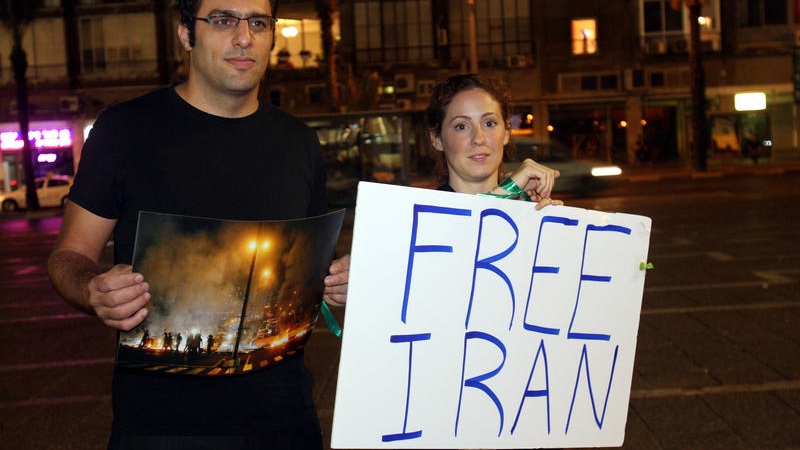
Industrial decay, hyperinflation, sanctions and the rise of the IRGC’s shadow economy have eroded the Iranian state’s capacity to govern.
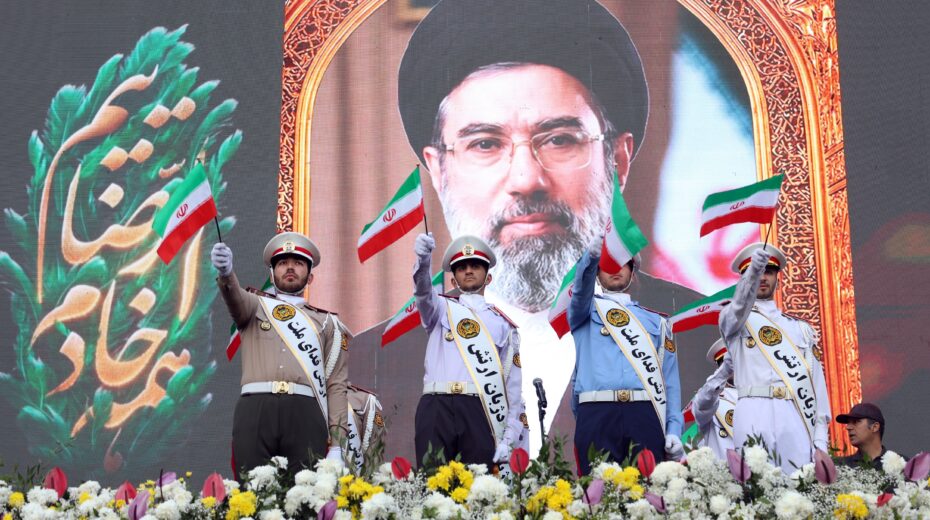
Who exactly is the new ruler in Iran? In the attack on the residence of his father, Ali Khamenei, on February 28, not only Ali but also Mojtaba’s wife and one of his sons were killed. Mojtaba himself is reportedly still in hospital.
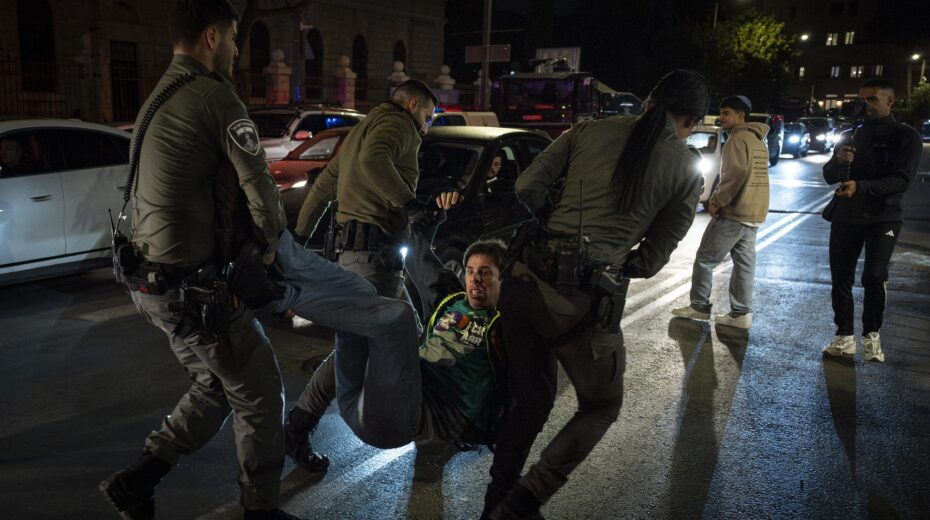
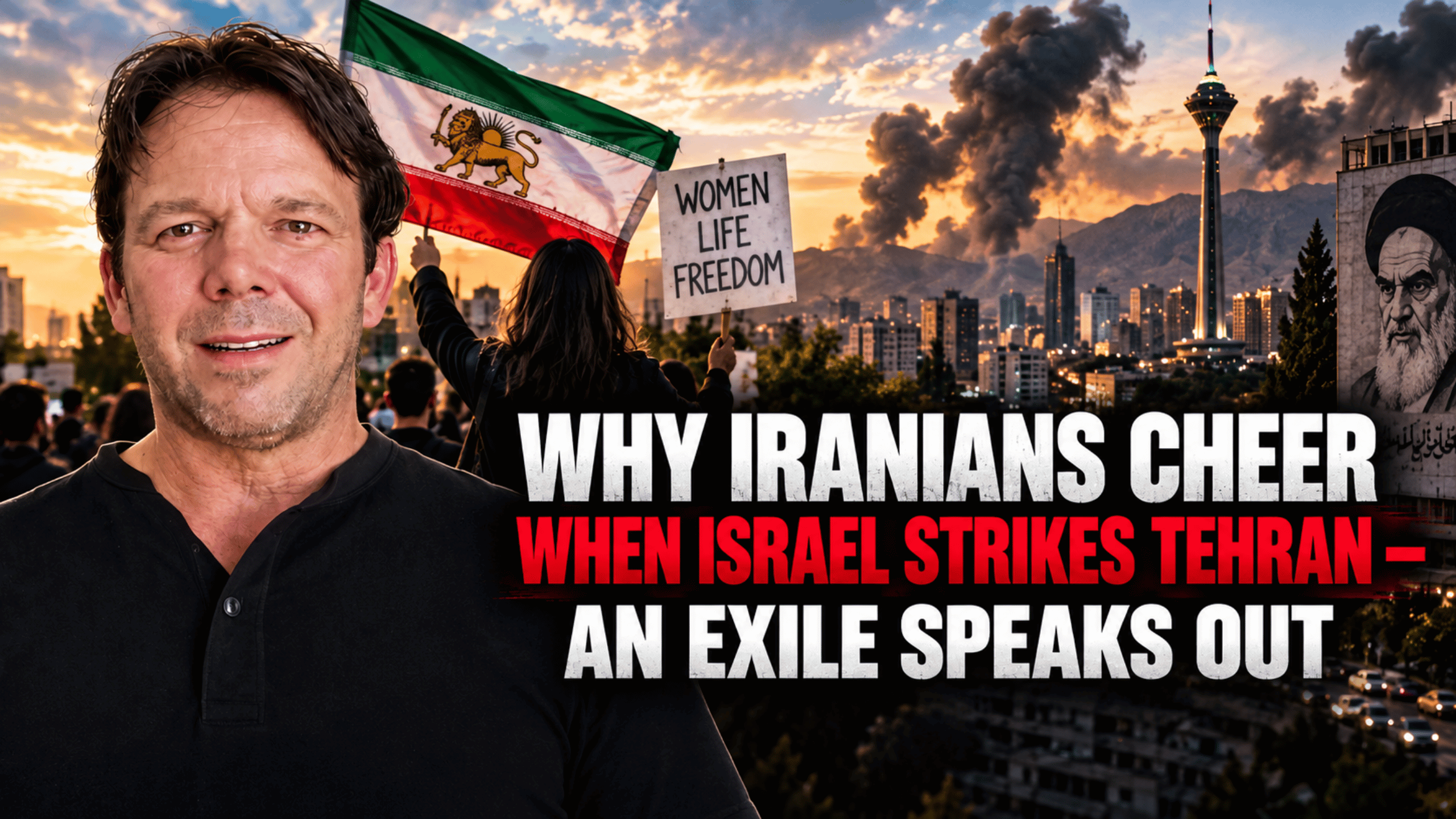
The groups most opposed to the current government no longer see the external enemy as the principal danger; they see it inside the country itself.
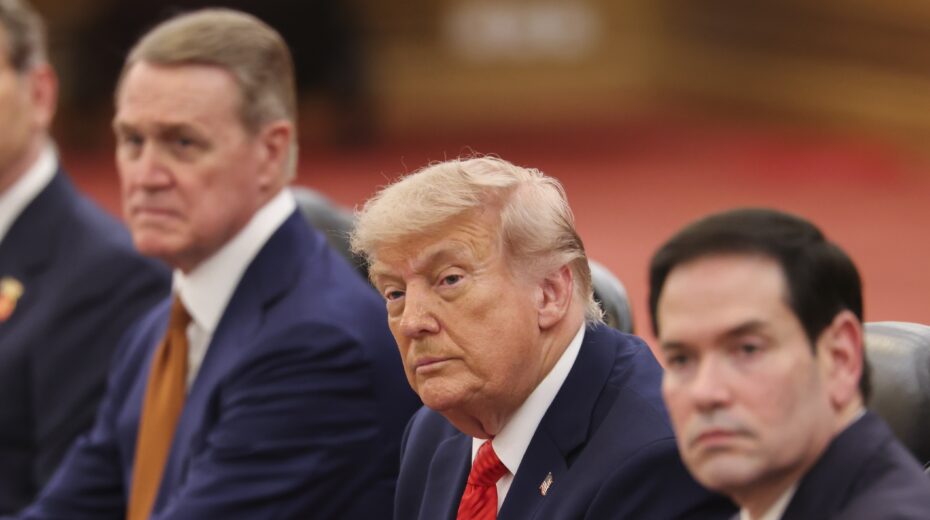
Trump said Gulf states urged a brief delay of planned US military action by “two or three days,” citing progress toward a deal to keep nuclear weapons out of Tehran’s hands.
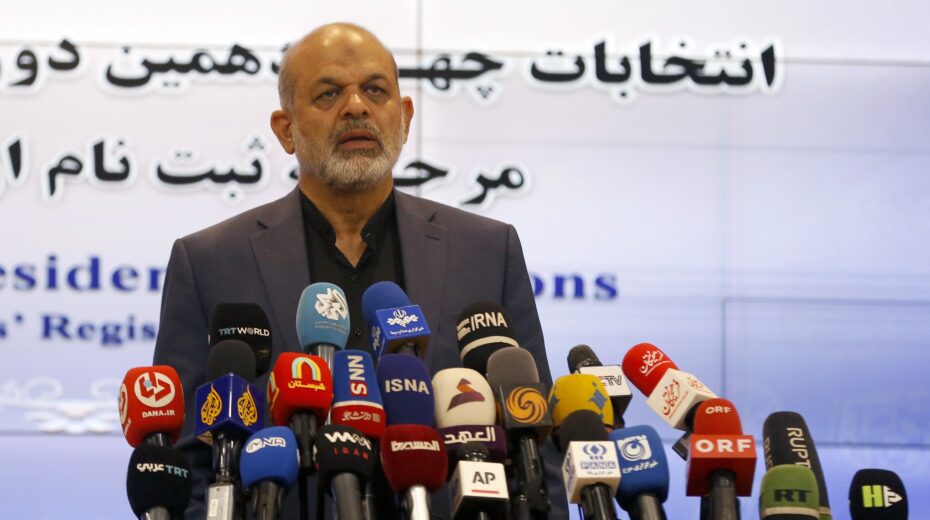
In practice, the rise of such a notorious, lethal figure underscores that these enforcers exist for one purpose alone: the preservation of the regime.
The assessment in Jerusalem is that there’s a 50-50 likelihood of renewed fighting against Iran in the coming days.