Despite the superiority of American arms, a combination of asymmetric strategy, internal cohesion and control over the Strait of Hormuz has prevented a swift defeat of the Islamic Republic.
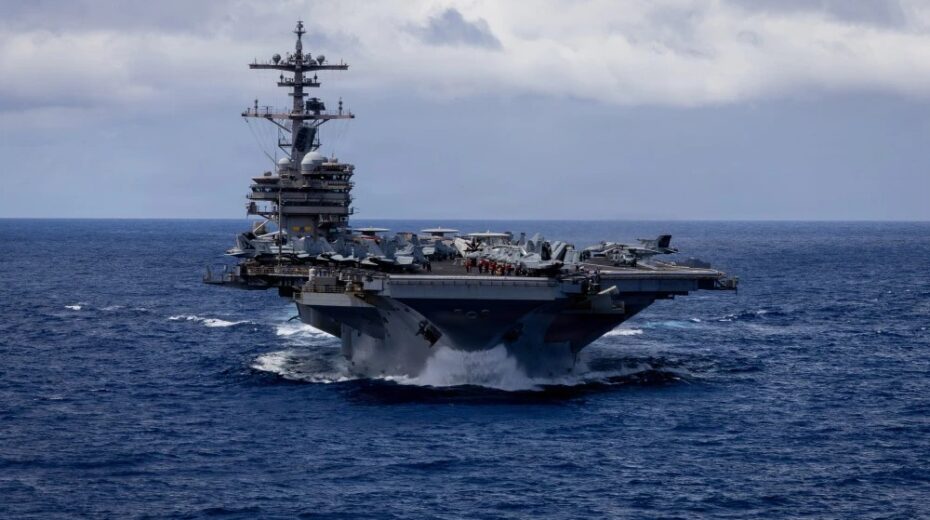
Despite the superiority of American arms, a combination of asymmetric strategy, internal cohesion and control over the Strait of Hormuz has prevented a swift defeat of the Islamic Republic.
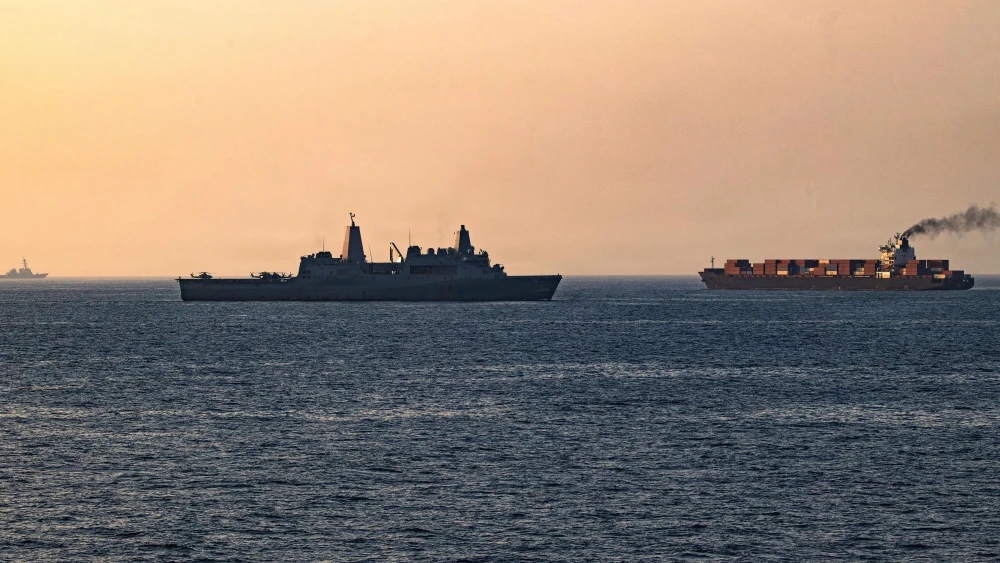
The economics of the 2026 Strait of Hormuz crisis explained.
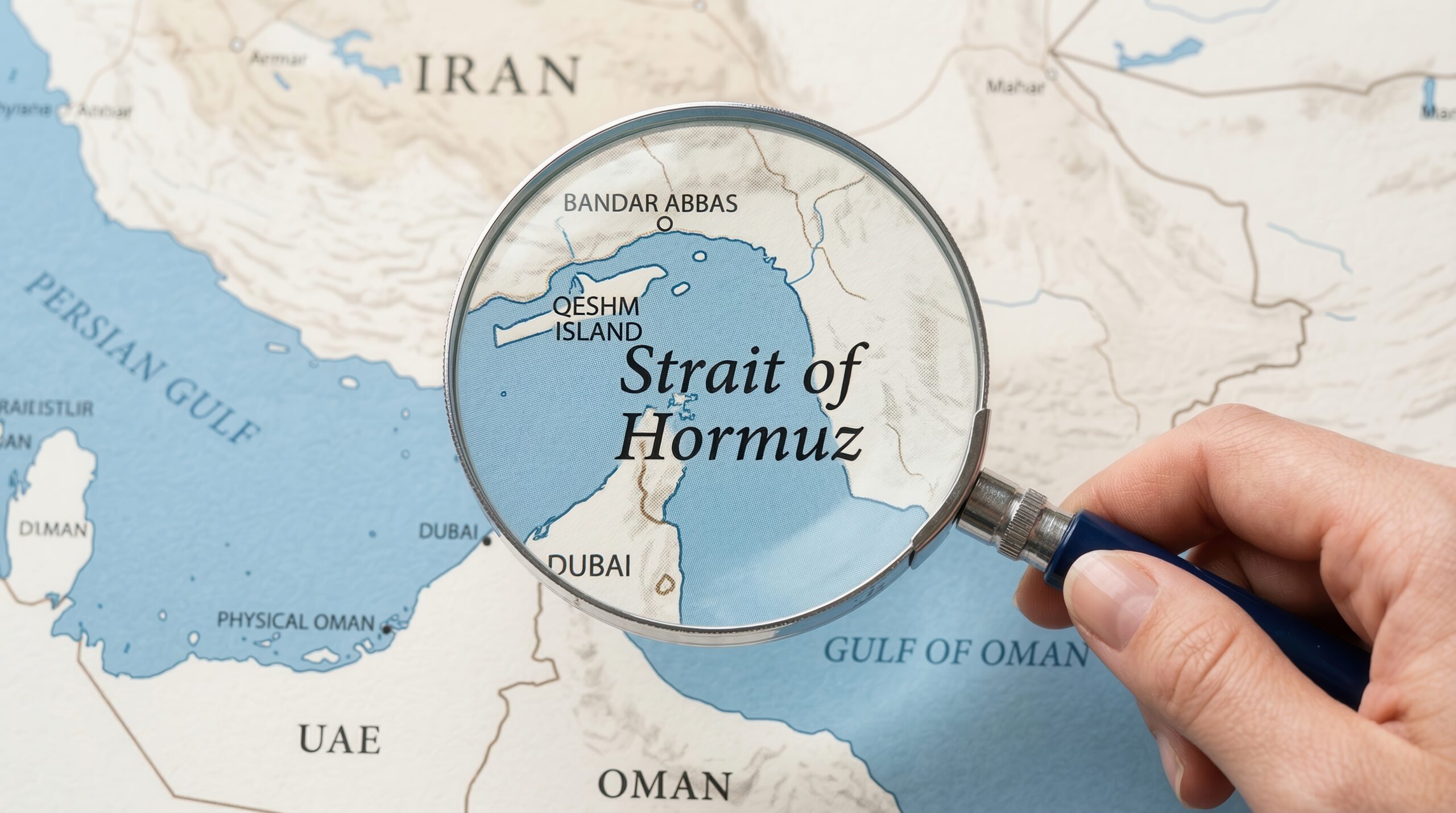
The Liberian envoy said that the Islamic Republic’s siege of the pivotal Gulf waterway has led to “the creeping normalization of disruption as leverage.”
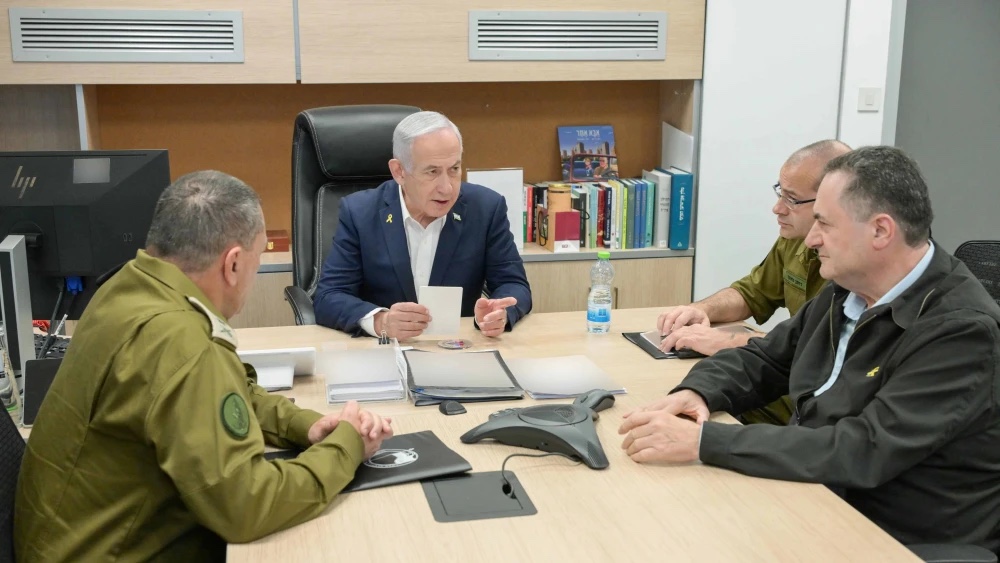
Jerusalem is reportedly urging the United States to continue its closure of the Strait of Hormuz.
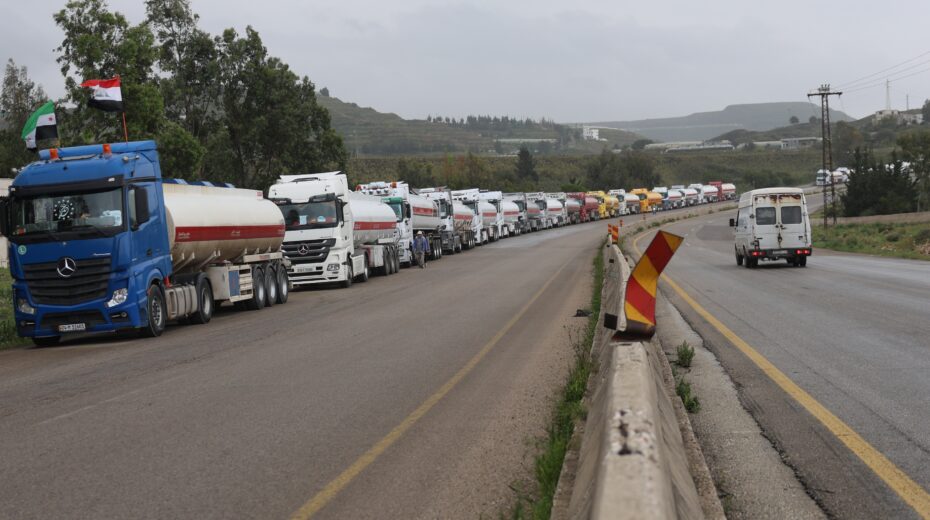
Some crises are not decided first on the battlefield, but in waiting, pressure, and the struggle over time. That is exactly what we are witnessing now between the United States, Iran, and Israel.

Washington “must first remove operational obstacles, including the blockade,” as a condition for “resolving issues,” Iran’s President Masoud Pezeshkian says.

A quiet war of attrition is being fought between Washington and Tehran, without open battlefields, yet still carrying the potential to ignite the entire region.
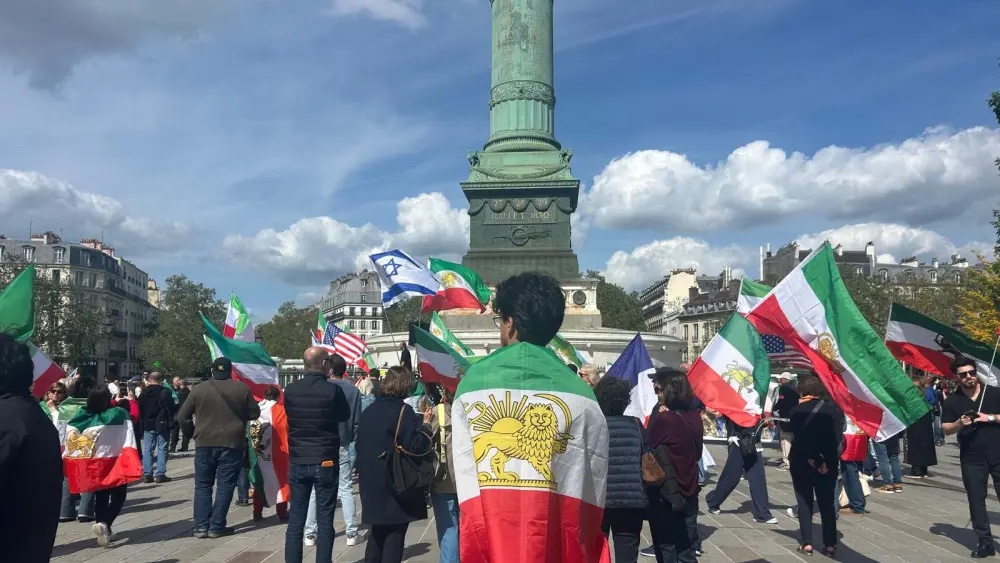
Protesters praise “unity between the Iranian and Israeli peoples.”
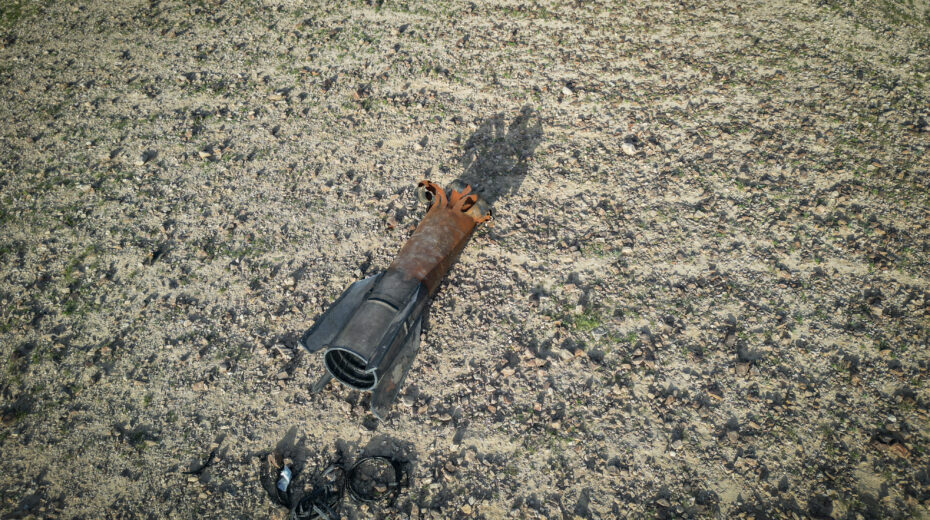
Can Israel’s military achievements be translated into a diplomatic arrangement that prevents Iran from rebuilding its nuclear capabilities, missile arsenal and support for international terror proxies?

The ruling power has blocked all paths of reform, peaceful transition and rule of law; it has inflicted such damage on civilian society that its repair may not be possible even in the next half-century.