A state with public backing does not flood its cities with checkpoints, expand executions and shut down the internet.
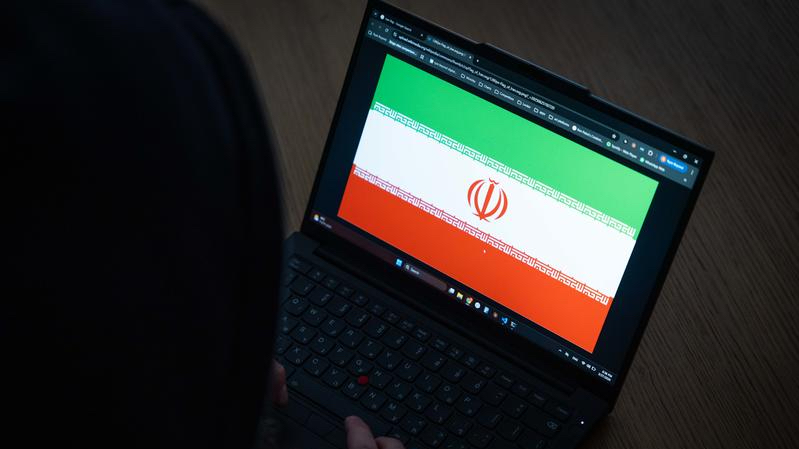
A state with public backing does not flood its cities with checkpoints, expand executions and shut down the internet.
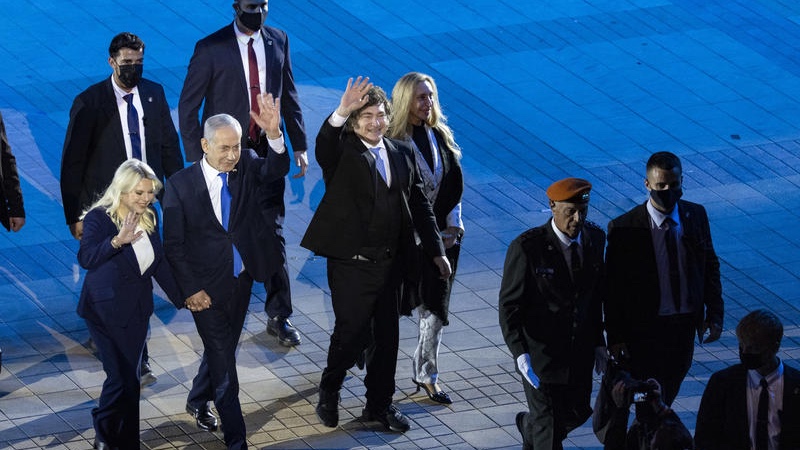
Israeli and Argentine leaders, meeting in Jerusalem, sign “Isaac Accords” to promote ties between the Jewish state and Latin America and announce direct flights to Buenos Aires.
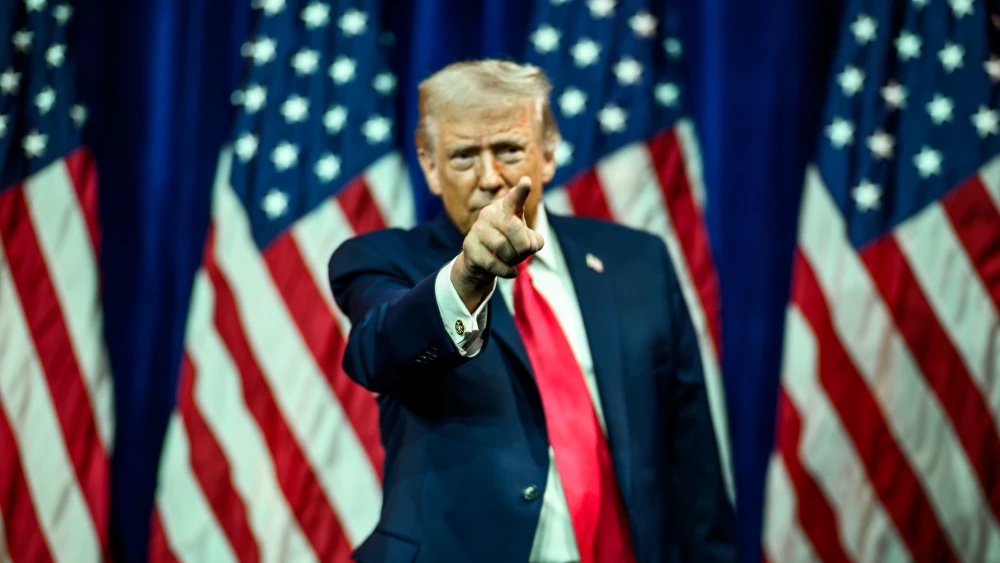
President says negotiators will meet Iranian representatives after reported Strait of Hormuz clashes, while warning of severe consequences if diplomacy fails.
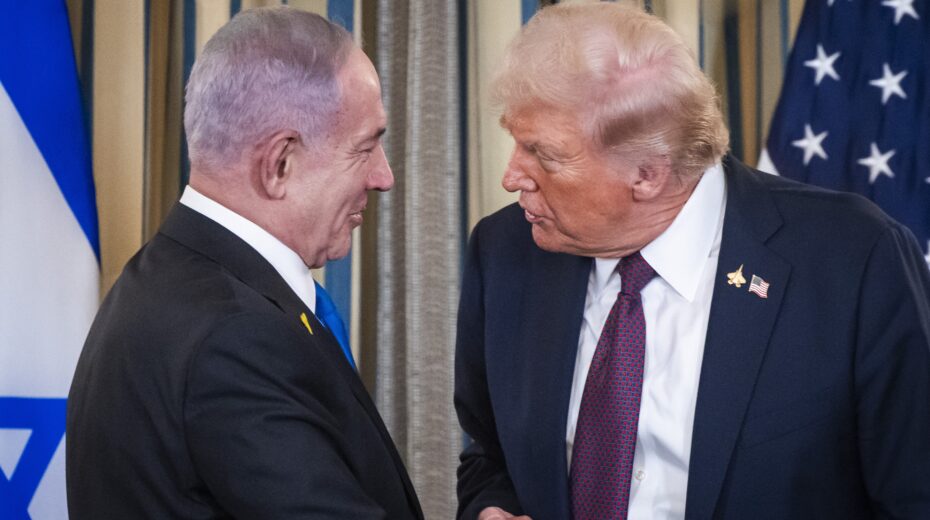
While Washington speaks of diplomacy, anger, disappointment, and a sense of betrayal prevail in northern Israel.

With Israel still on alert for renewed hostilities, the military has released a detailed account of what it says was achieved against Iran and Hezbollah—far beyond the lazy claim that little was accomplished.
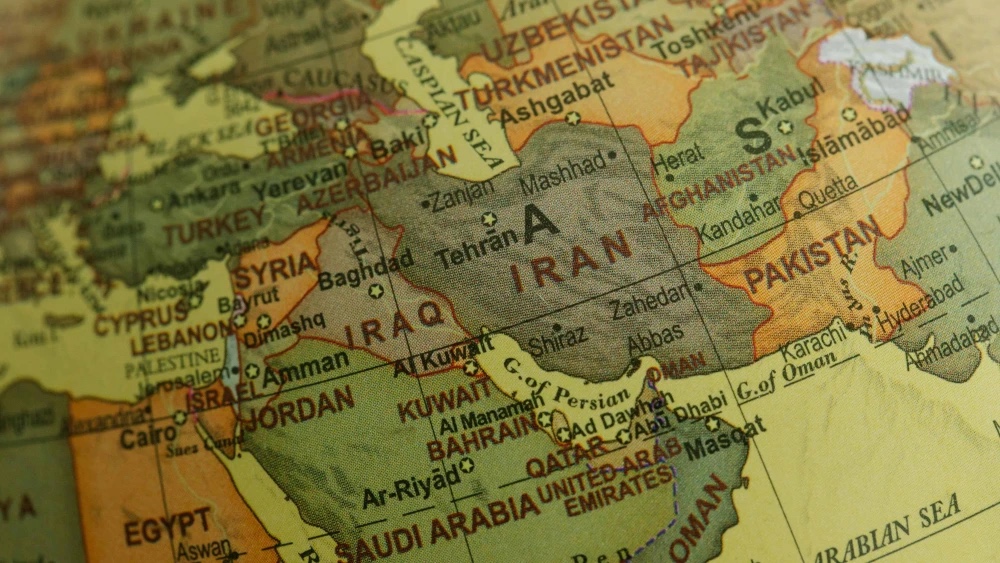
Westerners rarely apply the terms “colonialism” and “imperialism” to Arabs or Muslims, though the land they control is far larger than Europe or the United States.
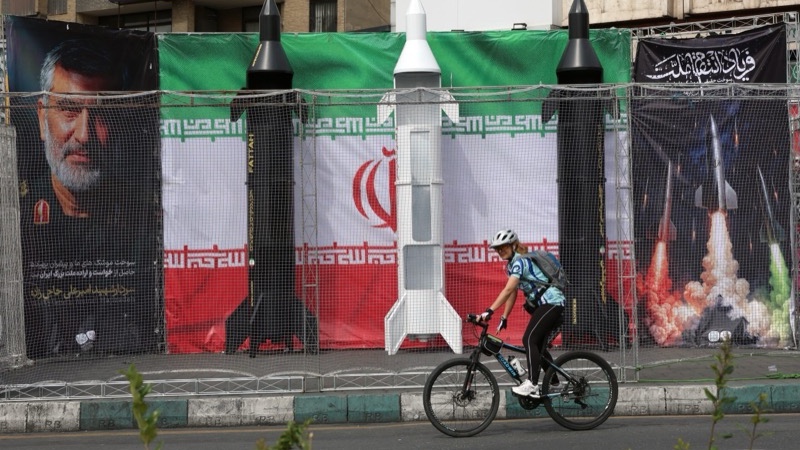
It does not operate solely according to traditional cost-benefit analysis. Concepts such as endurance, resistance, martyrdom and Islamic legitimacy play a central role in decision-making.
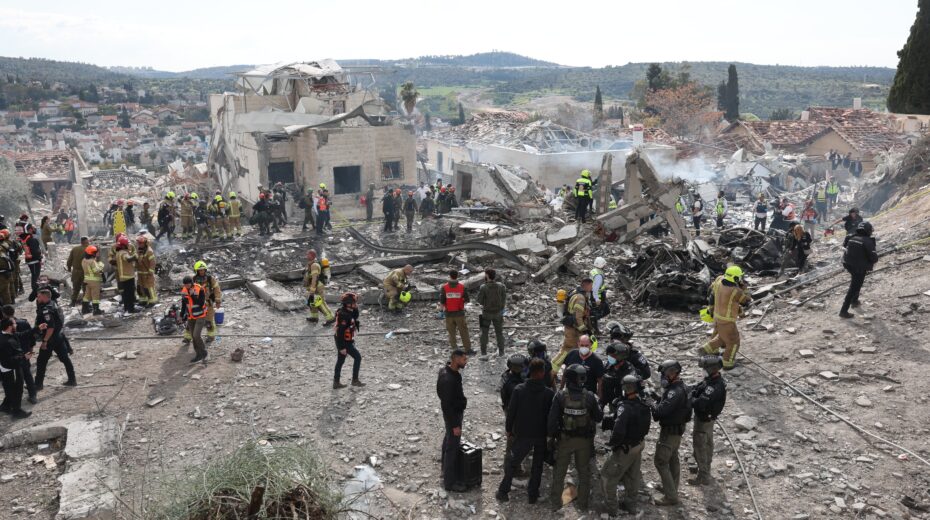
There are moments in history when politics, war, and faith overlap so dangerously that even sober strategists speak of a possible global conflagration.
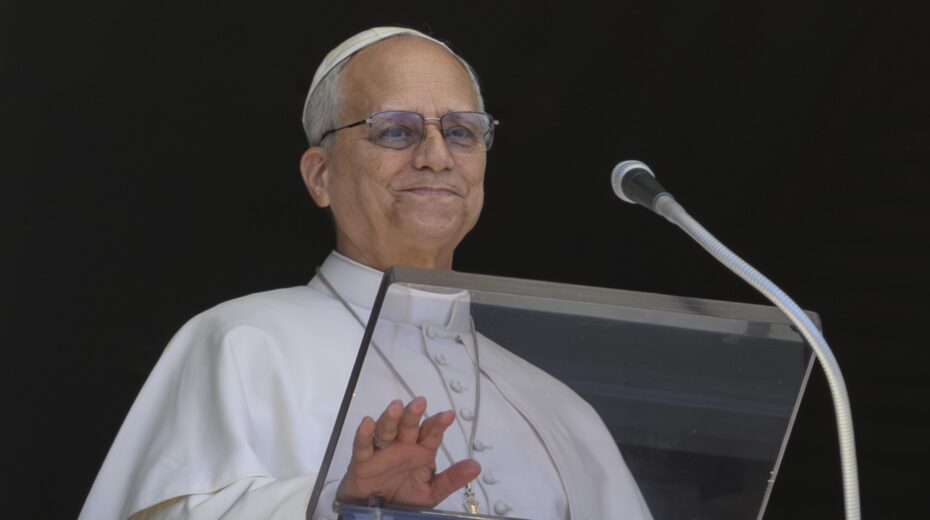
President Trump should have ignored Pope Leo’s comments, and non-Catholics should respect the papacy’s symbolism. But treating Iran as morally equivalent to Israel or America is still wrong.
When audiences begin to treat all narratives as equally credible, the distinction between verified reporting and strategic messaging collapses.