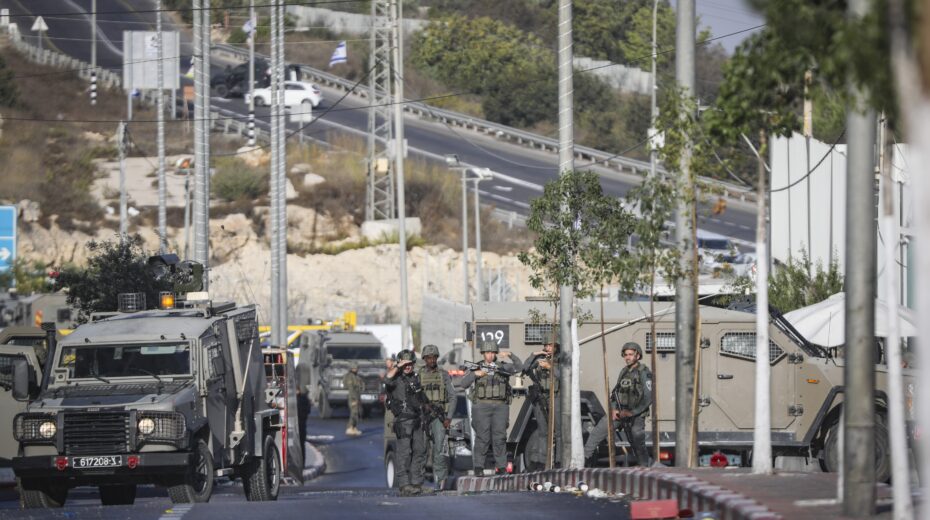
The language of Iran’s rulers reveals a regime preparing not to resolve the causes of unrest, but to survive the moment when Iranian society erupts again.
Erfan Fard is a counter-terrorism analyst and Middle East Studies researcher based in Washington, DC.
The language of Iran’s rulers reveals a regime preparing not to resolve the causes of unrest, but to survive the moment when Iranian society erupts again.
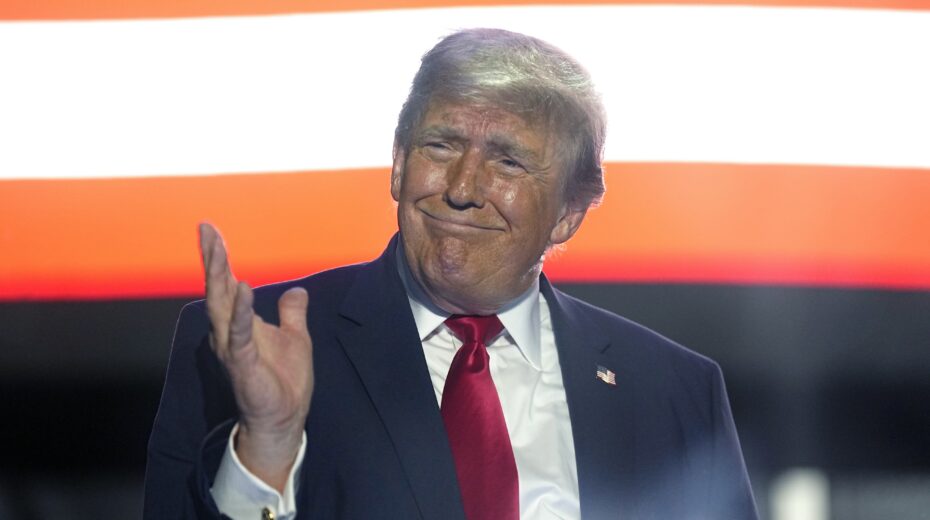
Washington’s indecision and strategic confusion are forcing CENTCOM—and, more broadly, the CIA—to rethink its approach to the Islamic regime.
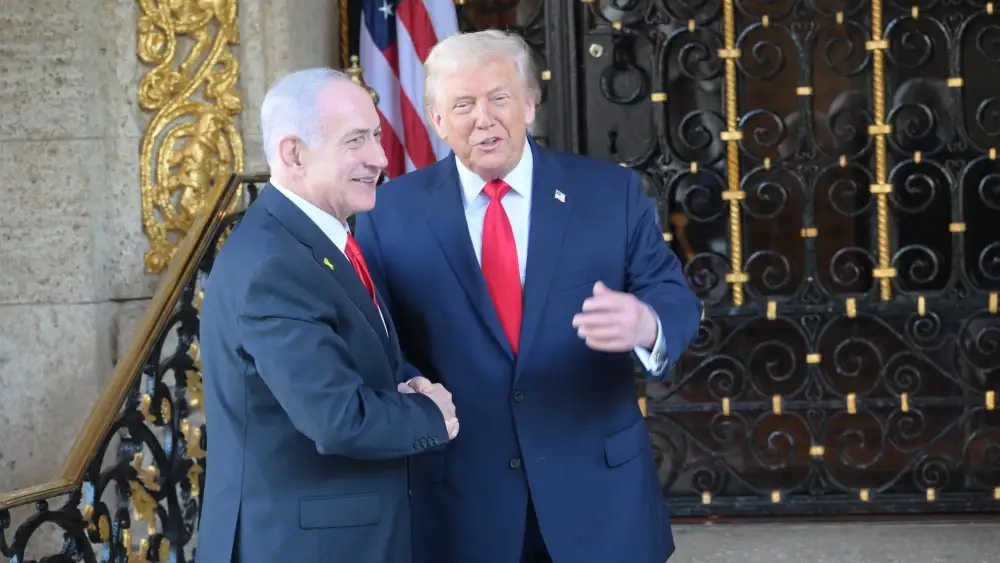
Perhaps the strategic convergence between the Mossad and the CIA will encourage the US president and his administration to act with greater resolve against Tehran.
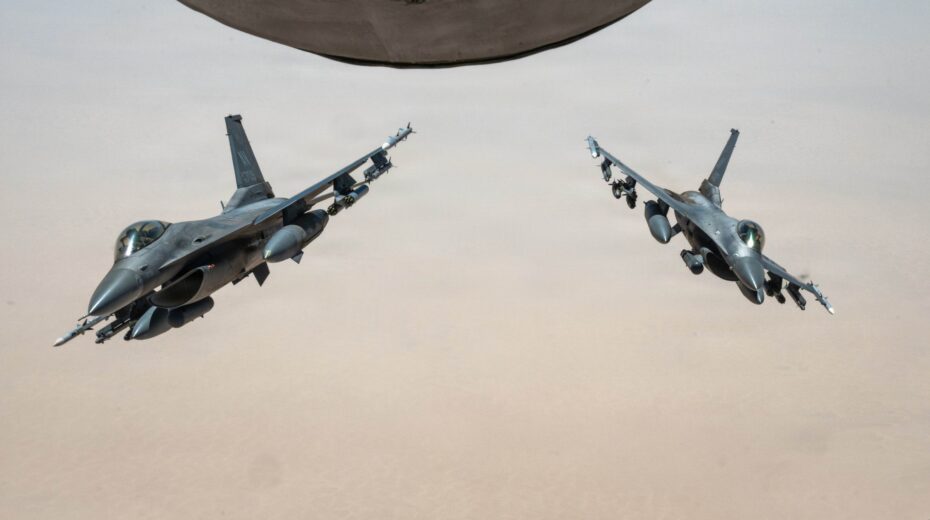
If the trajectory of US strikes continues, the conflict will increasingly evolve into a campaign of strategic attrition until one side concedes.

Tehran’s growing reliance on public threats, revenge rhetoric and carefully orchestrated displays of revolutionary unity reveals something far more significant than military defiance.
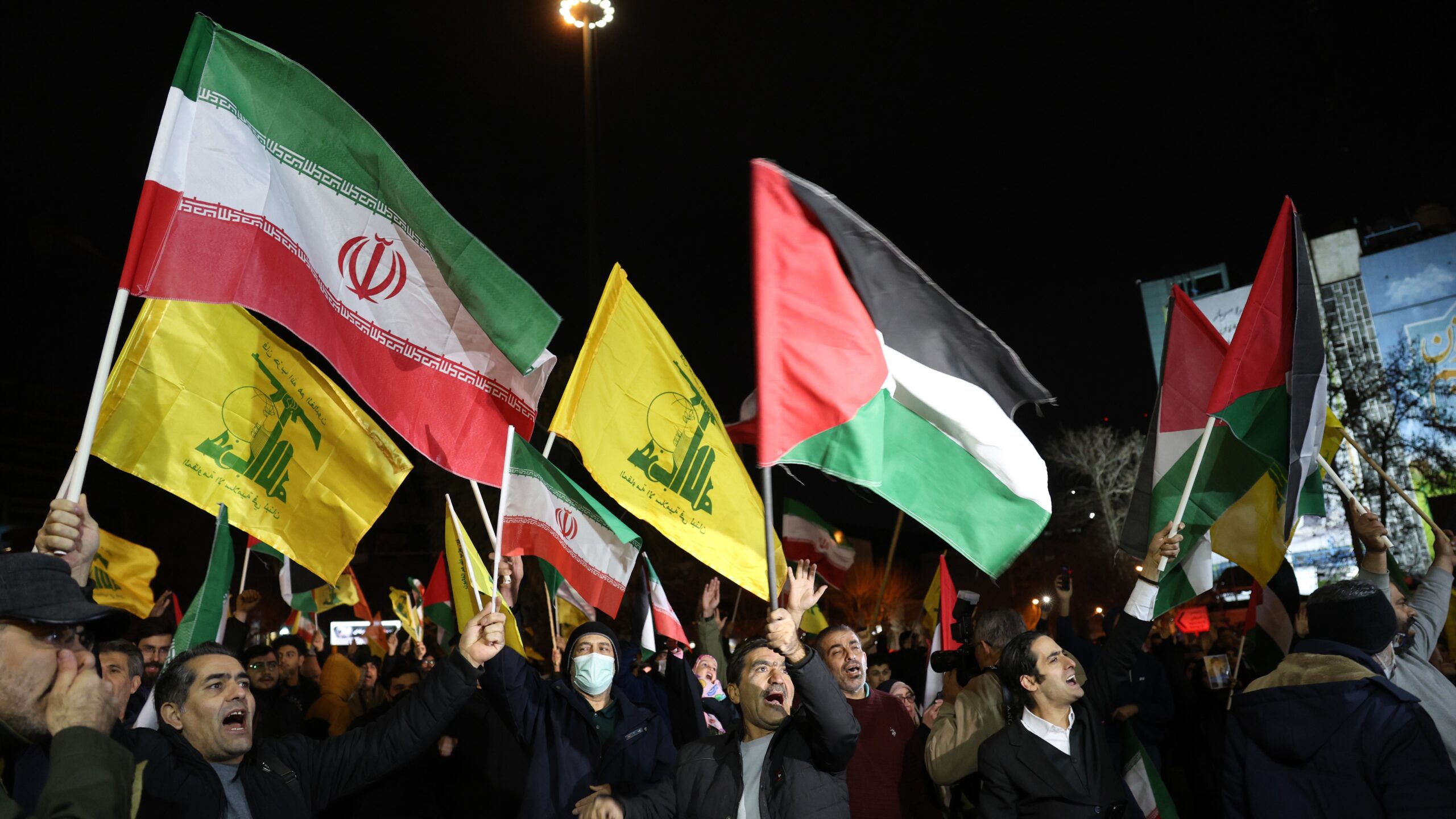
The Islamic Republic remains dangerous, but danger should not be mistaken for strength.
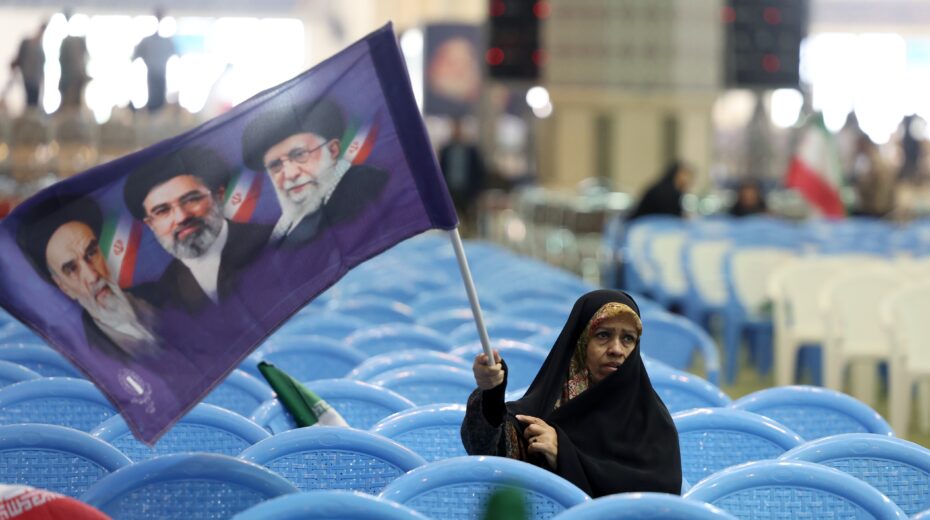
Misreading the regime as a stable status quo actor, rather than a cornered regime, could become one of the most consequential strategic mistakes in the years ahead.
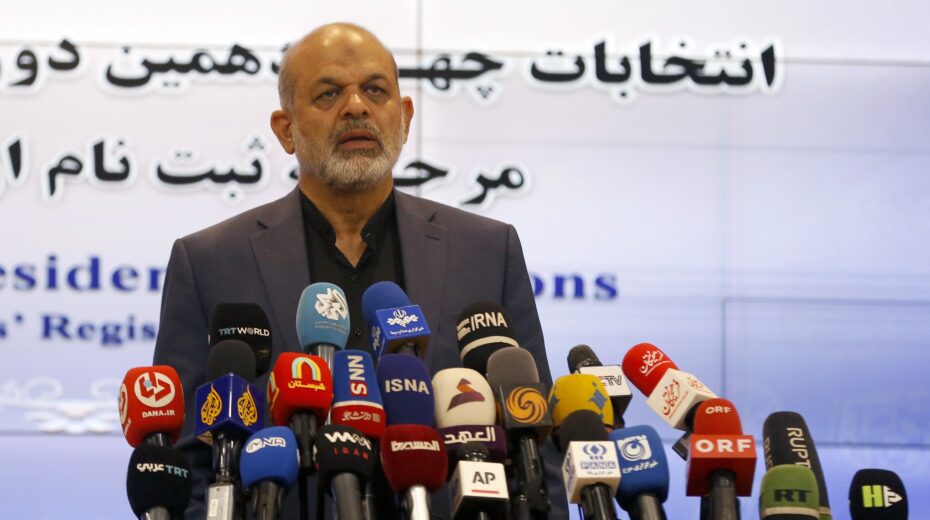
In practice, the rise of such a notorious, lethal figure underscores that these enforcers exist for one purpose alone: the preservation of the regime.
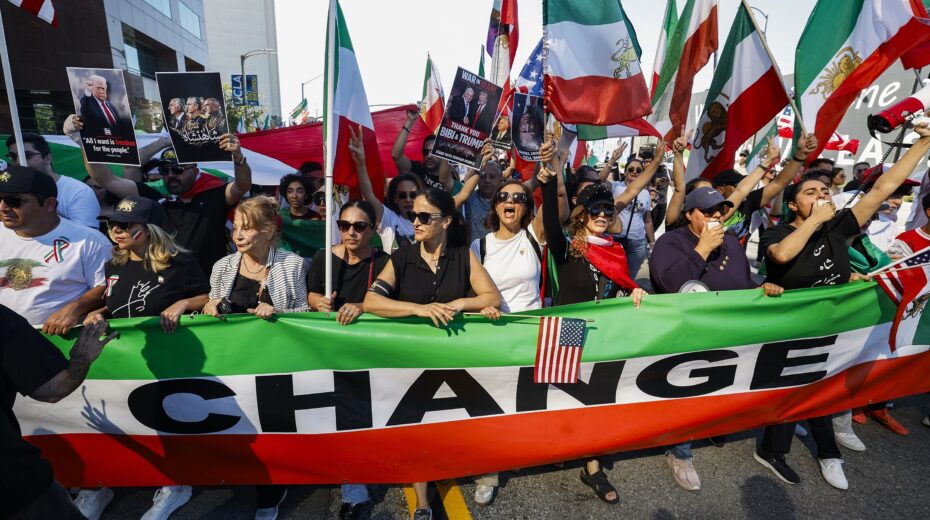
Waves of unemployment, poverty, repression and are forming a mass of the dispossessed and the enraged, who can challenge the foundations of the government amid turbulence and chaos.
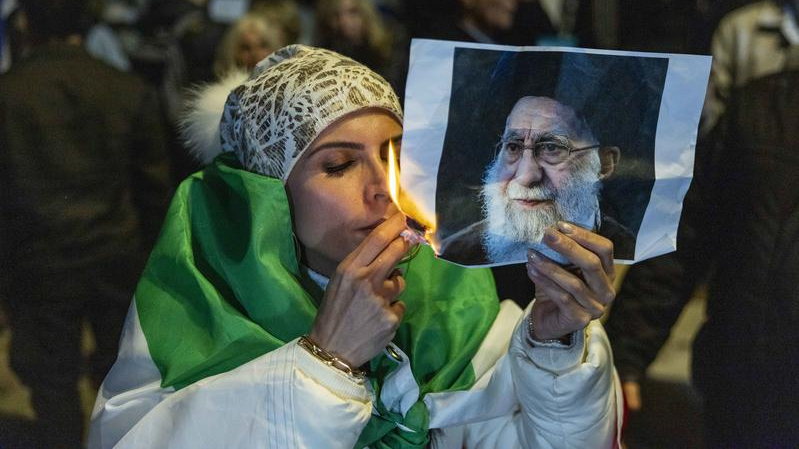
The ruling power has blocked all paths of reform, peaceful transition and rule of law; it has inflicted such damage on civilian society that its repair may not be possible even in the next half-century.