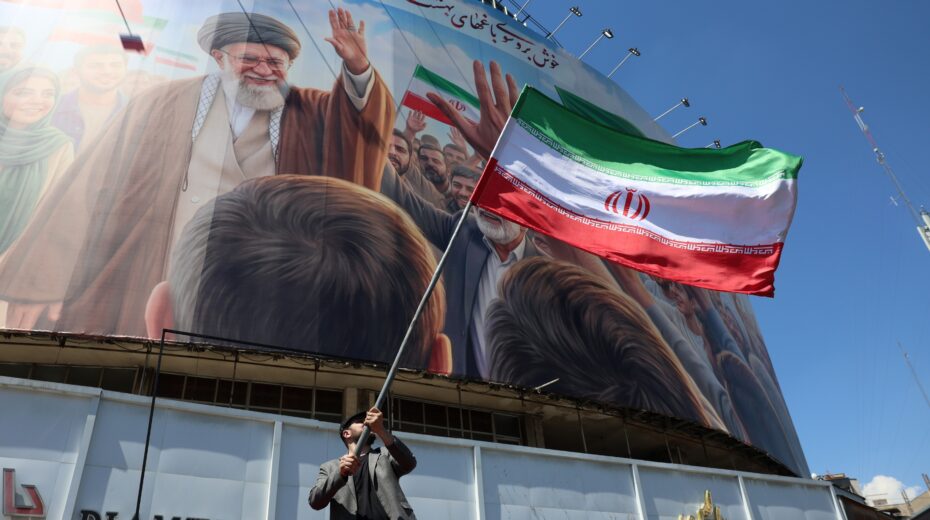

(JNS) The current conflict between the United States and Iran is often viewed through a Western lens that sees the world as transactional. It assumes that all actors ultimately seek prosperity, stability, security and material well-being. While these things are broadly valued across all cultures, they are sometimes insufficient to explain the behavior of states and movements that do not respond to them very well.
And so, we need to reassess the Western framework and clarify why it works well in some circumstances but not others.
This is illustrated by the classic paradigm of the carrot and the stick. To press the metaphor, carrots and sticks often have a great effect, provided you have chosen the correct carrot and the correct stick. International actors often use finance (trade, grants, loans or collaborative projects) as the carrot and financial restrictions (like sanctions) as the stick. Of course, military intervention is the ultimate stick.
But these incentives and disincentives may address only part of the problem. We often ask “why” political movements do what they do. But “why” can be a limiting...
Become a Member
-
Read all member content
Get exclusive in-depth reports from Israel.
-
Get exclusive in-depth reports from Israel
Connect with Israel, right from your home.
-
Lift up the voice of truth and hope
Support Jerusalem-based Zionist journalism.

Already a member? Login here.