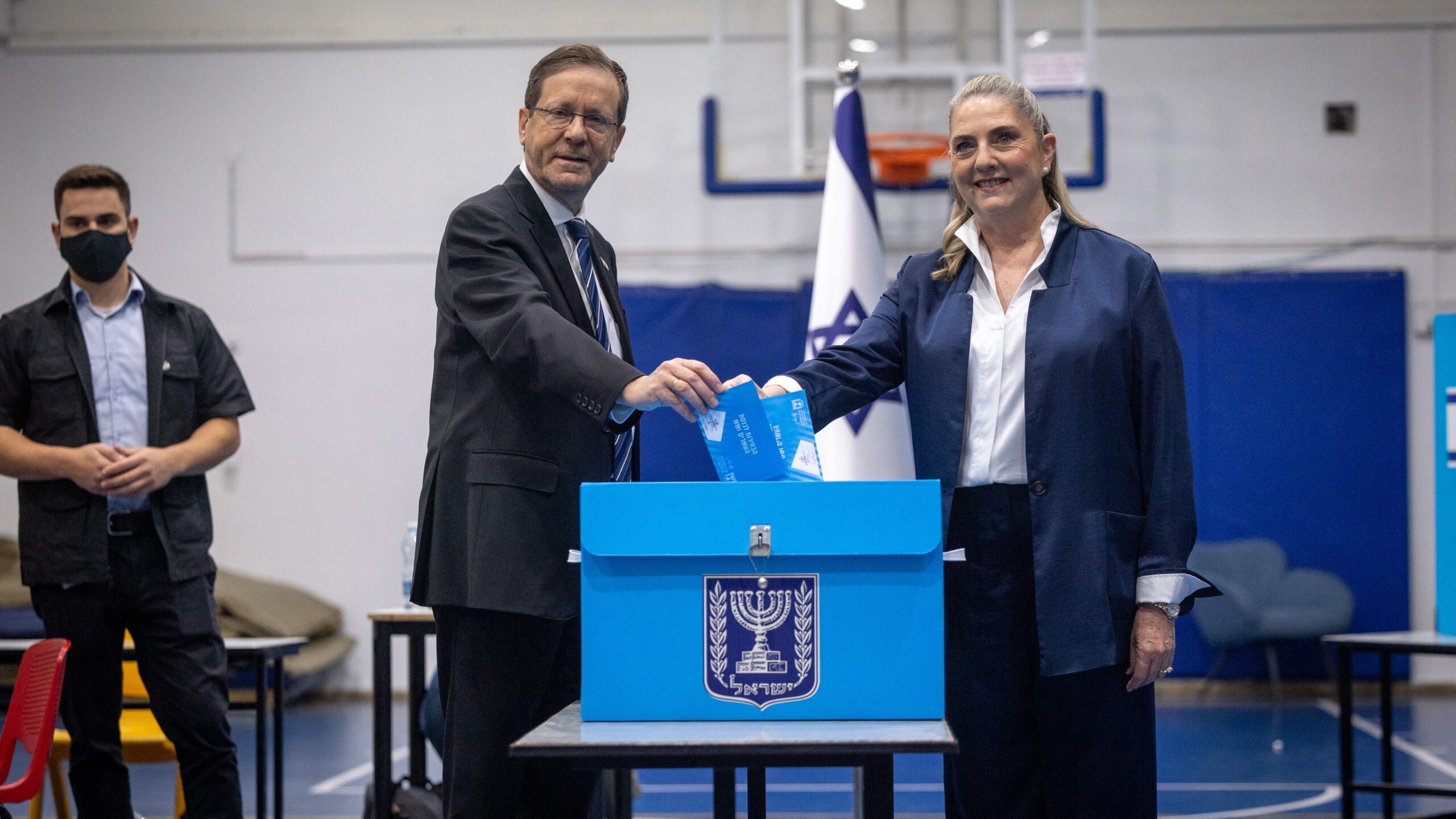

In Israel, polling stations opened this morning at 7 a.m. for the election to the 26th Knesset. Around 7.3 million eligible voters are called upon to decide on the composition of the 120-seat parliament. Most polling stations will remain open until 10 p.m. It is the first parliamentary election since the Hamas massacre of October 7, 2023.
According to the Central Elections Committee, 12,018 polling stations are available nationwide. Compared to the last election four years ago, the number of eligible voters has increased by more than half a million.
Election day is a statutory public holiday in Israel. Schools, kindergartens and numerous businesses remain closed to enable citizens to participate in the vote.
Election under special security conditions
This year’s election is taking place under extraordinary circumstances. After more than three years of war and ongoing security threats, the authorities have also prepared for possible rocket attacks and other emergencies during the vote.
The Central Elections Committee has drawn up corresponding emergency plans. These include the possibility of adjusting voting times at individual polling stations in the event of security-related disruptions.
For soldiers of the Israeli army, voting began as early as October 21. According to IDF figures, around 850 military polling stations were set up, including numerous mobile facilities. This is intended to allow soldiers in remote deployment areas and on the various frontlines to cast their votes.
Israeli diplomats and other eligible Israelis abroad were also able to vote ahead of the actual election day.
Decision on Israel’s political future
At the center of the election is the question of whether Prime Minister Benjamin Netanyahu can once again secure a governing majority with his Likud party and existing political allies, or whether the opposition will succeed in bringing about a change of government.
Among the most important challengers are former Chief of Staff Gadi Eisenkot and former Prime Minister Naftali Bennett. Both have positioned themselves during the election campaign as political alternatives to Netanyahu.
Alongside security issues and the handling of Iran, the economic situation, social tensions and the consequences of the war also play an important role. A further decisive factor is likely to be which smaller parties manage to clear the electoral threshold of 3.25 percent.
In Israel, the Prime Minister is not directly elected. Citizens vote for party lists, whose seats are distributed according to the election result. President Isaac Herzog then tasks the Knesset member with the best prospects of securing a parliamentary majority with forming a government.
The first exit polls are expected after polling stations close at 10 p.m. Whether a clear governing majority will emerge from these results remains to be seen. The official election results are expected to be published by November 4 at the latest.
Want more news from Israel?
Click Here to sign up for our FREE daily email updates