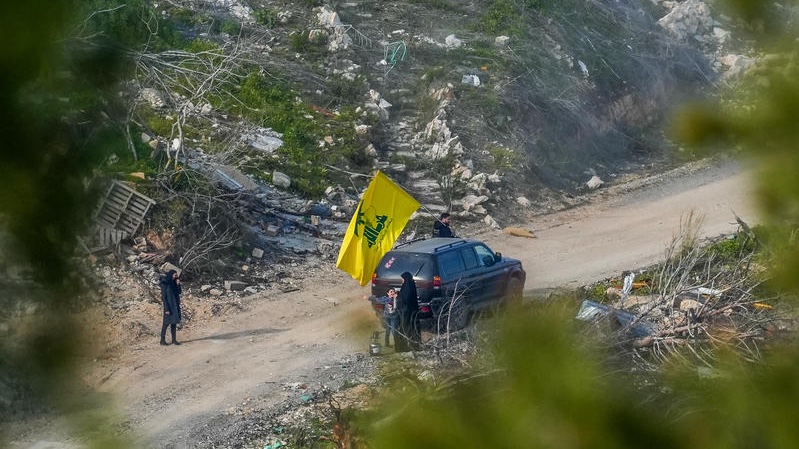

Lebanon’s prime minister says the first phase of disarming the Iranian‑backed Hezbollah militia south of the Litani River is “only days away from completion,” part of a US‑brokered ceasefire with Israel — even as a senior US senator warned that both Hezbollah and Hamas are rearming, a development he called an “unacceptable outcome.”
Disarmament south of the Litani nears finish line
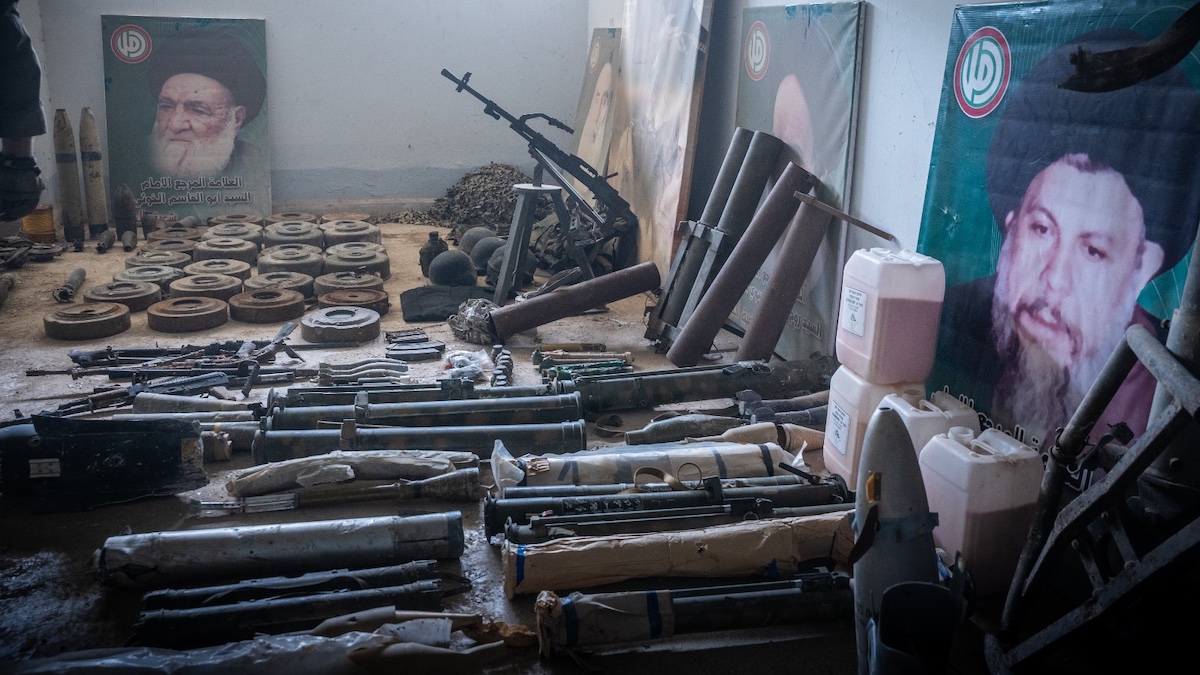
Lebanese Prime Minister Nawaf Salam announced on Saturday that the initial phase of a weapons consolidation plan, mandated under the ceasefire deal signed on Nov. 26, 2024, is nearing its end. The agreement requires that Hezbollah be disarmed, starting with areas immediately adjacent to Israel, to help uphold the terms of the truce that ended more than a year of war.
Salam’s office said the government plans to shift to the second phase, which involves confiscating weapons north of the Litani River, based on a plan prepared by the Lebanese army under government direction. The disarmament initiative is aimed at granting the state a monopoly on arms and reducing non‑state armed actors in Lebanon.
The ceasefire deal, brokered with US involvement, tasked the Lebanese army — with President Joseph Aoun’s backing — to develop and implement a roadmap for disarmament south of the Litani by the end of the year. Israel has publicly pressed Beirut to fully implement these conditions, warning it will act as needed if Hezbollah’s disarmament falters. Critics in Jerusalem question whether the Lebanese army’s efforts go far enough and whether Hezbollah’s arsenal south of the Litani has genuinely diminished.
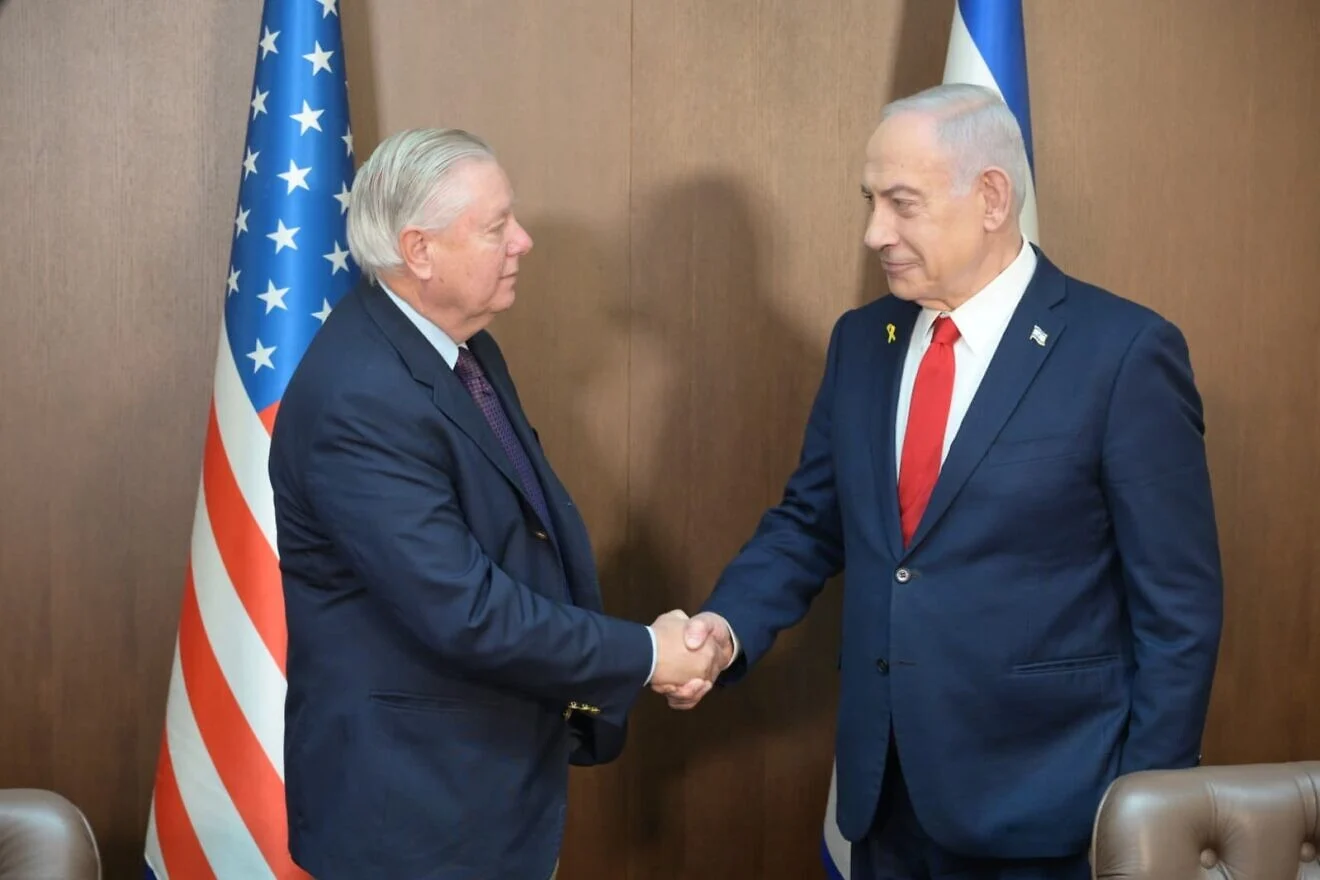
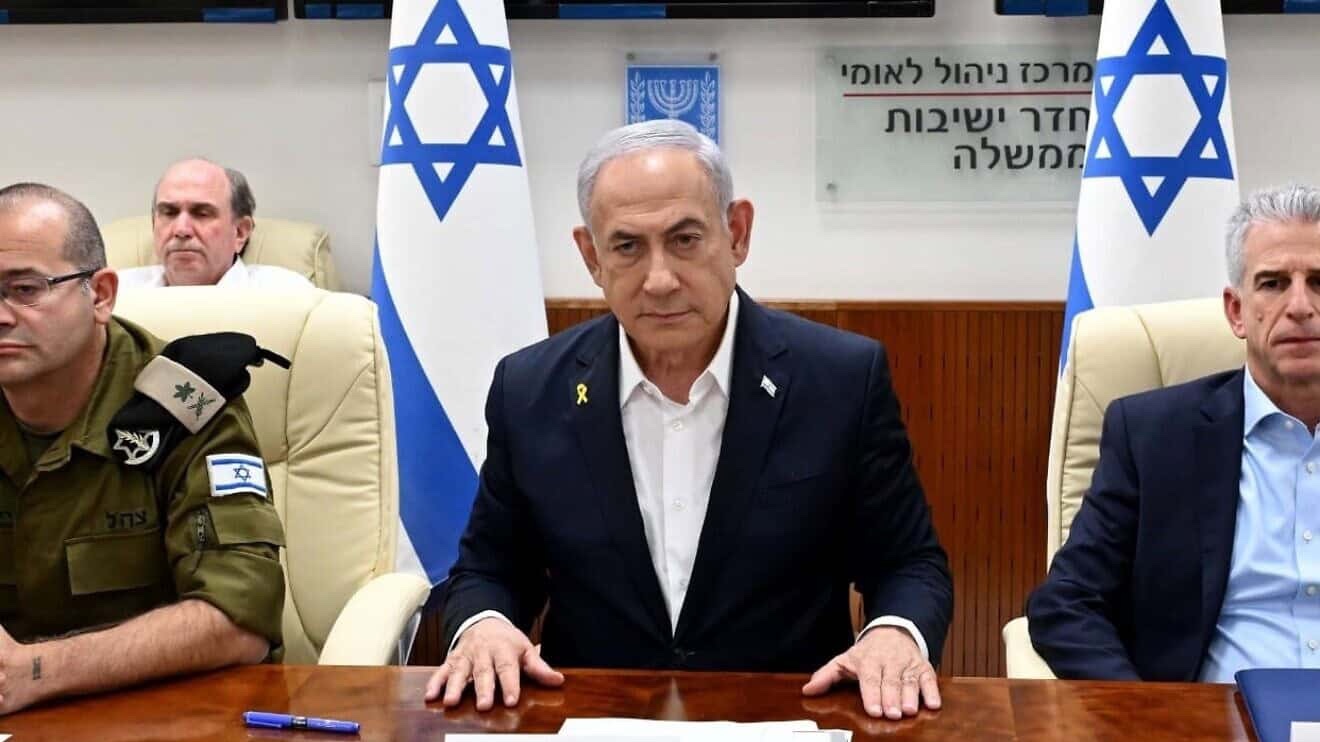
US Sen. Lindsey Graham (R-SC) meets with Israeli Prime Minister Benjamin Netanyahu in Jerusalem on Dec. 21, 2025. Photo by Amos Ben Gershom/GPO.
US senator warns Hamas, Hezbollah are rebuilding arsenals
At almost the same time that Lebanon was signaling progress on one part of the ceasefire, US Sen. Lindsey Graham warned during a meeting with Israeli Prime Minister Benjamin Netanyahu in Jerusalem that both Hamas and Hezbollah appear to be rearming rather than disarming. He described this trend as an “unacceptable outcome.”
Graham said Hamas is strengthening its control over Gaza, and Hezbollah continues to produce weapons in Lebanon — assessments echoed by Netanyahu, who welcomed the senator and called him “a great friend of Israel.” In subsequent discussions with Israeli Foreign Minister Gideon Sa’ar, the focus also included Gaza’s future and the region’s security challenges.
Sa’ar tweeted that reconstruction and a better future for Gaza depend on Hamas disarmament — which he reiterated is not happening. “Hamas isn’t disarming. Unfortunately, Hamas is trying to consolidate its power in Gaza, not give it up. We won’t accept this,” he wrote.
Great meeting in Israel with a dear friend @LindseyGrahamSC.
We discussed the situation in Gaza and the future of the region. The reconstruction of Gaza and a better future for Gaza will be possible only if Hamas disarms.
I reiterated that Hamas isn’t disarming. Unfortunately,… pic.twitter.com/eGeZ1RZNfT— Gideon Sa’ar | גדעון סער (@gidonsaar) December 21, 2025
Ceasefire compliance and regional dynamics
The contrasting messages — nearing disarmament south of the Litani and simultaneous warnings about rearmament — underscore the tenuous nature of the ceasefire arrangement. Under the November 2024 deal and attendant conditions, both Hezbollah and Hamas were supposed to move toward disarmament to defuse long‑standing conflicts along Israel’s northern and southern fronts.
While Lebanon asserts progress in dismantling Hezbollah’s military presence in the south, Israeli and US officials have expressed skepticism about the speed and scope of the effort. The ceasefire’s terms call for Hezbollah’s demilitarization as a foundation for lasting peace and Israel’s security. Graham’s statement amplifies concerns that the militant groups may exploit pauses in hostilities to replenish capabilities.
What comes next? Pressures and prospects
As Lebanon prepares to expand disarmament operations north of the Litani, political and security pressures mount. Hezbollah has rejected full disarmament, arguing that weapons are necessary to defend Lebanon. The dynamics of implementation will test the ceasefire’s durability and shape regional stability, especially as US support for enforcement mechanisms remains central to the diplomatic framework.
The juxtaposition of progress claims by Lebanese leadership and rearmament warnings by a senior US lawmaker highlights the fat that not all is as it seems in mainstream media headlines.
Want more news from Israel?
Click Here to sign up for our FREE daily email updates