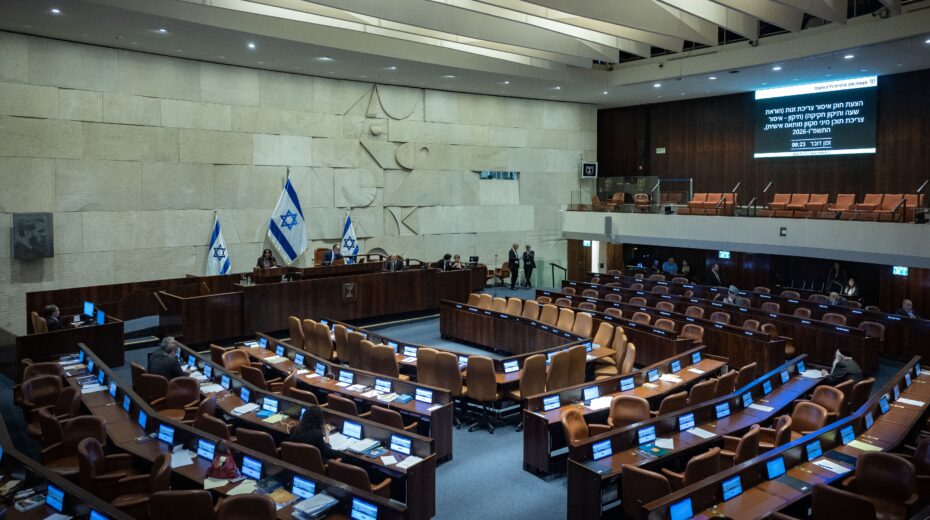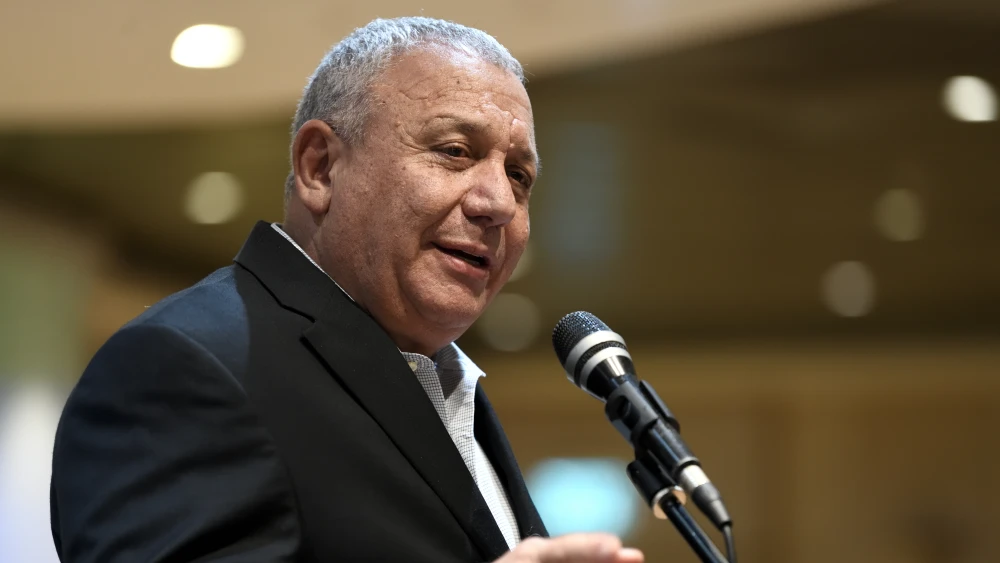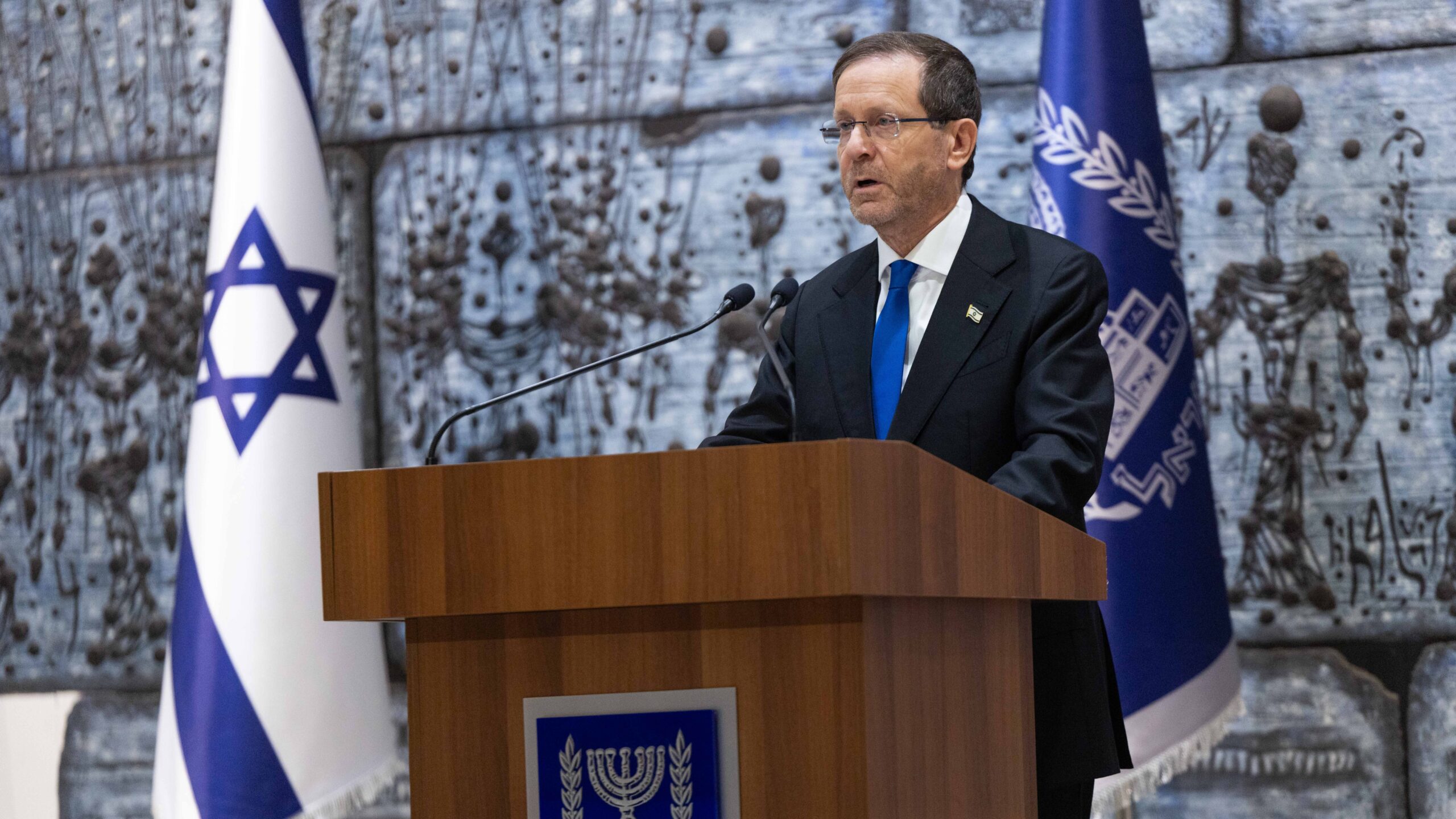

When the 26th Knesset is sworn in today, 46 of the 120 total members of parliament will be sitting in Israel’s parliament for the first time. Many of them bring experiences that go far beyond the typical political career. They have lost family members, fought themselves, were involved in rescue operations, or have spent years advocating for the release of hostages.
The new members of parliament come from nearly all political camps. Their personal experiences have not, however, united them into a common political group. On the contrary: they represent different positions on who bears responsibility for the failures of October 7 and what consequences Israel should draw from them.
With 46 new members, the group is twice as large as after the 2022 election, when 23 new members entered the Knesset. The previous record stands at 49 newcomers in 2019.
Bereaved families seek to bring about political change
In Gadi Eisenkot’s Yashar party, 15 of the 21 members of parliament are newcomers. One of them is Shira Shapiro, the mother of Aner Shapiro. Her 22-year-old son was killed on October 7, 2023, as he tried to protect people in a shelter near the Nova music festival from Hamas attackers. He repeatedly threw back grenades that terrorists hurled into the shelter, saving several lives in the process.
Shapiro previously worked in the public sector, including at the Ministry of Culture. Following the death of her son, she decided to enter politics. She said she wants to help change the political leadership, restore public trust, and enable a broad-based government.
Eisenkot himself is also personally affected by the war. His son Gal and two nephews were killed in combat. The former Chief of Staff had initially been part of the emergency government during the war, but resigned in 2024 along with Benny Gantz.
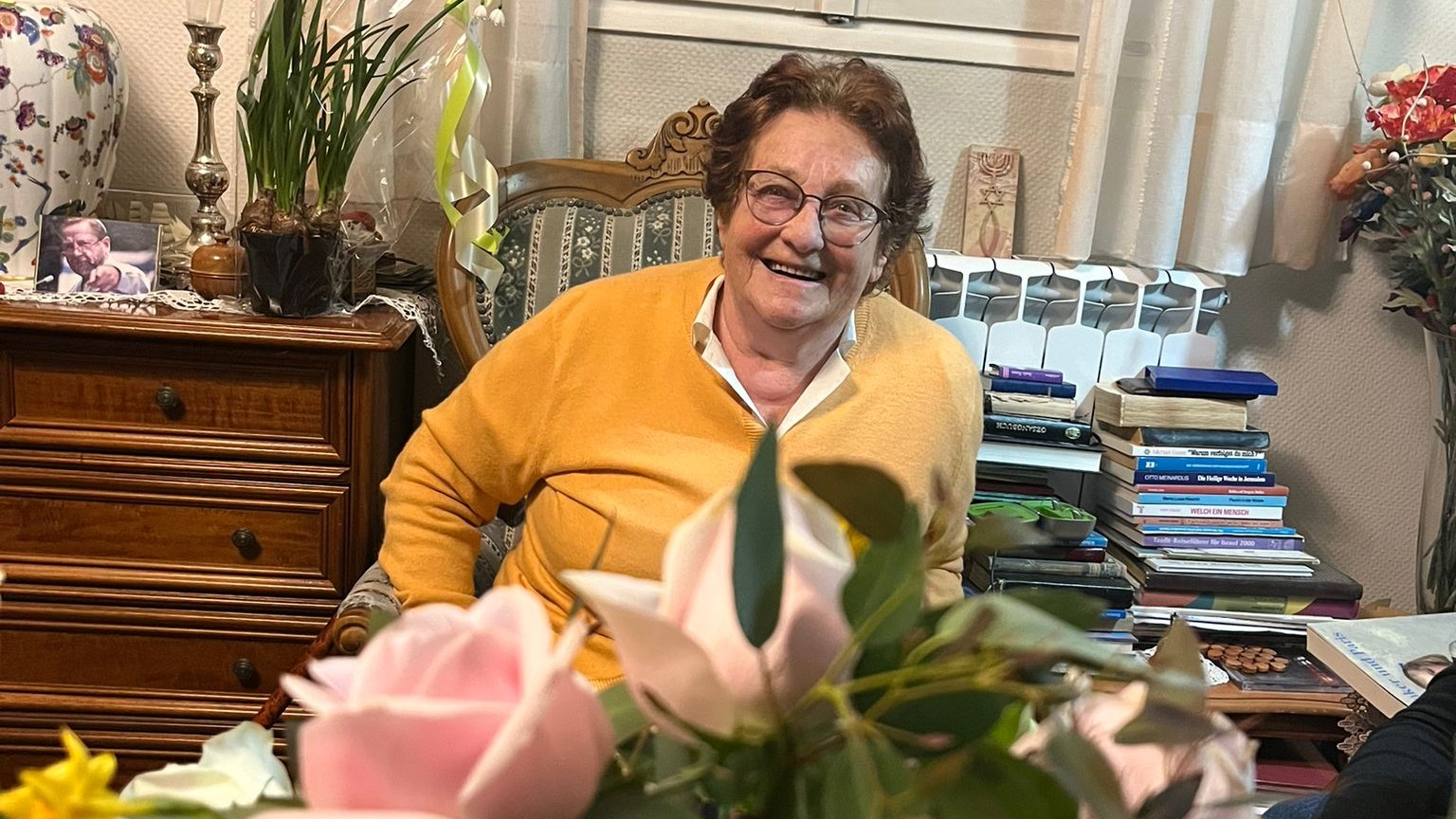
In Prime Minister Benjamin Netanyahu‘s Likud party, Talik Gvili, among others, is entering the Knesset as a new member. She is the mother of police officer Ran Gvili, who was killed fighting Hamas terrorists on October 7 and subsequently abducted to Gaza. His remains were only returned to Israel in January 2026. Gvili supports Netanyahu and praised his government for not giving up until the last hostage’s return.
Talik Gvili, the mother of the last hostage in Gaza, Ran Gvili. Photo: Yossi Aloni/FLASH90
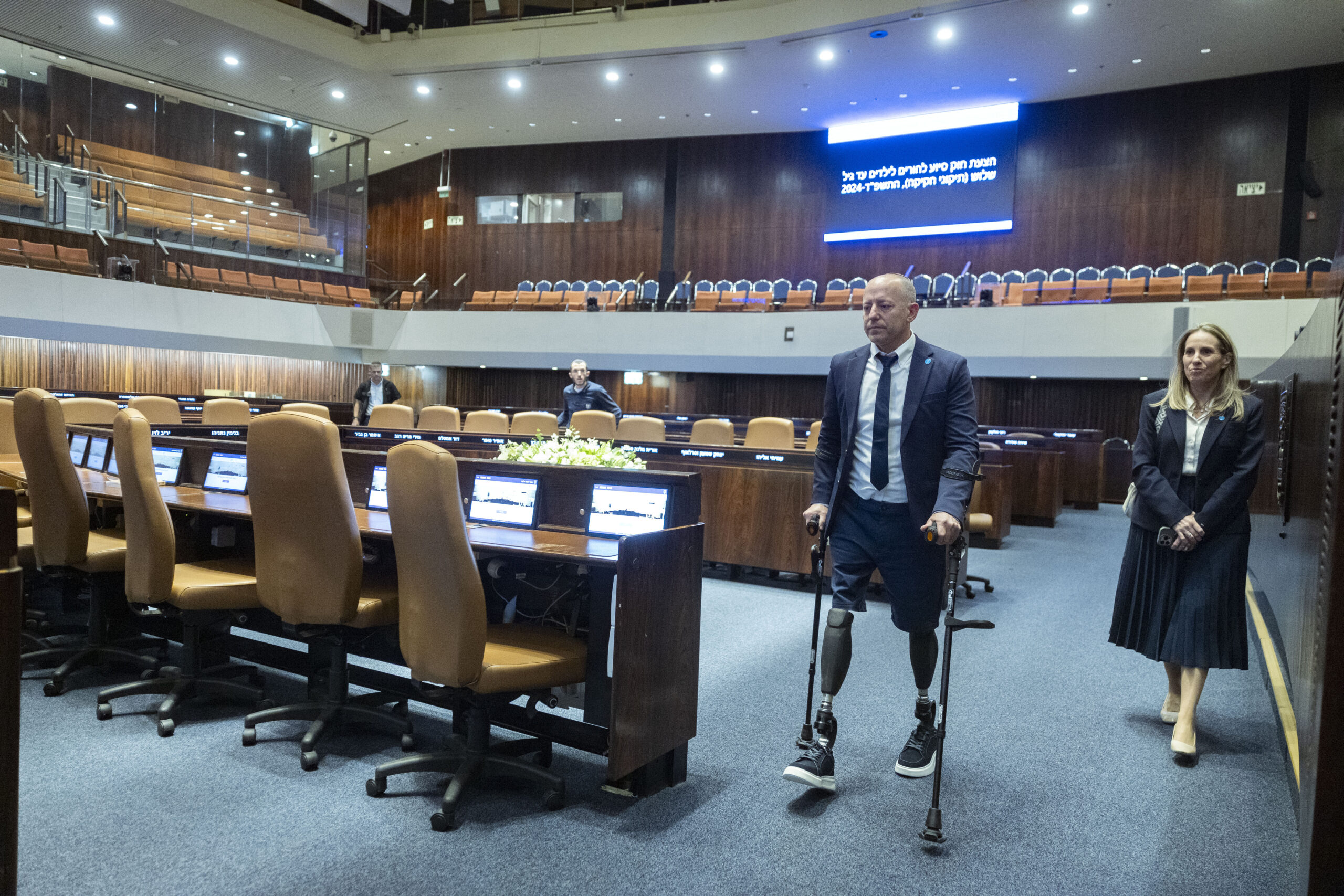
Also new to Likud is Elisha Madan, a reservist who was severely wounded during an operation in the Gaza Strip in 2024 and lost both legs. He advocates for Israeli settlements and supports Israel’s military operations in the Gaza Strip.
Former hostage family members and reservists in parliament
The B’Yachad party, which emerged from the merger of the political forces of Naftali Bennett and Yair Lapid, includes several members of parliament with a direct connection to October 7. Among them is former general Noam Tibon. On the morning of the Hamas attack, he drove south to rescue his son, journalist Amir Tibon, his wife, and their two children from the attacked Kibbutz Nahal Oz. Tibon is calling for a state commission of inquiry into the failures before and during the attack. He also advocates for the conscription of ultra-Orthodox men into the army.
Michal Hirsch Negri lost her son Roee, a reserve officer who was killed on October 7 while defending Kibbutz Be’eri. She previously worked in local government and now wants to bring her experience to national politics.
Yonatan Shalev, a 23-year-old reservist, is also entering parliament. He is expected to be the youngest member of parliament in Israel’s history. Shalev founded a movement opposing exemptions from military service for ultra-Orthodox men. A friend who had fallen in the war had motivated him to take this step.
Avigdor Lieberman’s Yisrael Beiteinu party is also gaining new members who were personally affected by October 7. Rafi Ben Shitrit, former mayor of Beit She’an, lost his son Shimon Alroy during the defense of the Nahal Oz military base. He was among the founding members of the so-called October Council, which brought together bereaved families, survivors, and former hostages. Ben Shitrit is calling for a state commission of inquiry and accuses the government of evading responsibility for the failures of October 7.
Sharon Sharabi became known for his efforts on behalf of his two abducted brothers. Eli Sharabi returned from captivity, while his brother Yossi was killed in captivity. Sharon Sharabi now wants to serve as a member of parliament advocating for Israel’s security and the needs of society.
In the Religious Zionism party, Zvika Mor is among the new members of parliament. His son Eitan was working as a security officer at the Nova Festival and was abducted by Hamas. After 738 days in captivity, he was freed as part of an agreement. Zvika Mor led the so-called Tikva Forum, which had opposed partial deals with Hamas that would have seen only some of the hostages released.
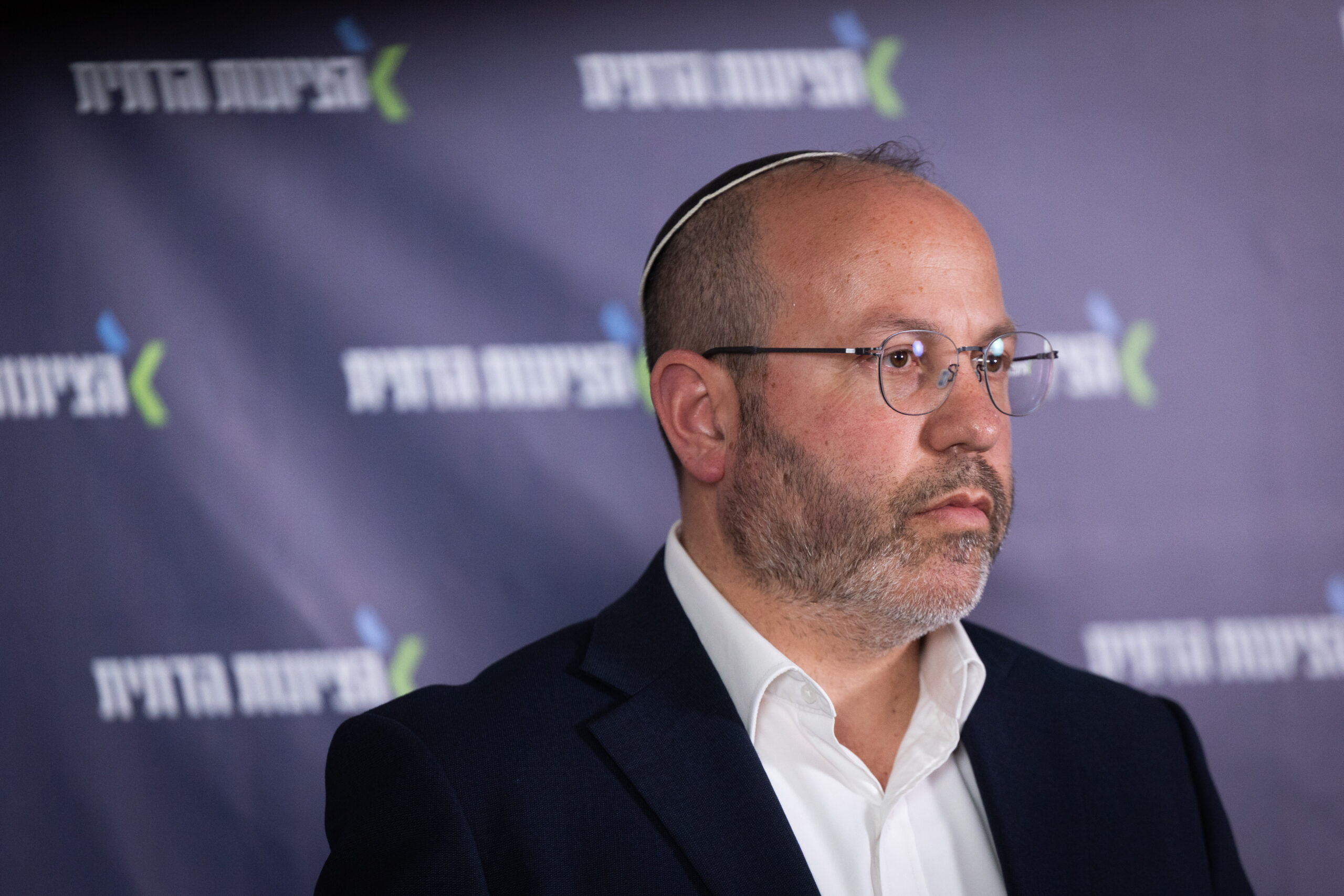
Zvika Mor will bring his experience to the Knesset. Photo: Yonatan Sindel/Flash90
Differing political responses to October 7
Yair Golan‘s Democrats party is also gaining new members who served long periods of reserve duty during the war. Yair Fink completed more than 210 days of reserve duty after October 7, while Omri Ronen served more than 350 days. Both were previously active in political protest movements and advocate, among other things, for universal military conscription.
The personal experiences of the new members of parliament do not, however, translate into a unified political line. While some hold the Netanyahu government responsible for the failures before October 7 and demand an independent state inquiry, others support the prime minister and his policies.
The experiences of the new parliamentarians are nonetheless likely to directly shape the debates of the coming years. These include the investigation into the events of October 7, the conscription of ultra-Orthodox men, support for bereaved families and former hostages, and the security of Israel’s border communities. The consequences of the Hamas attack will thus not only be the subject of parliamentary debate — they are also part of the personal life stories of many of those who will be seated in the plenum in the years ahead.
Want more news from Israel?
Click Here to sign up for our FREE daily email updates