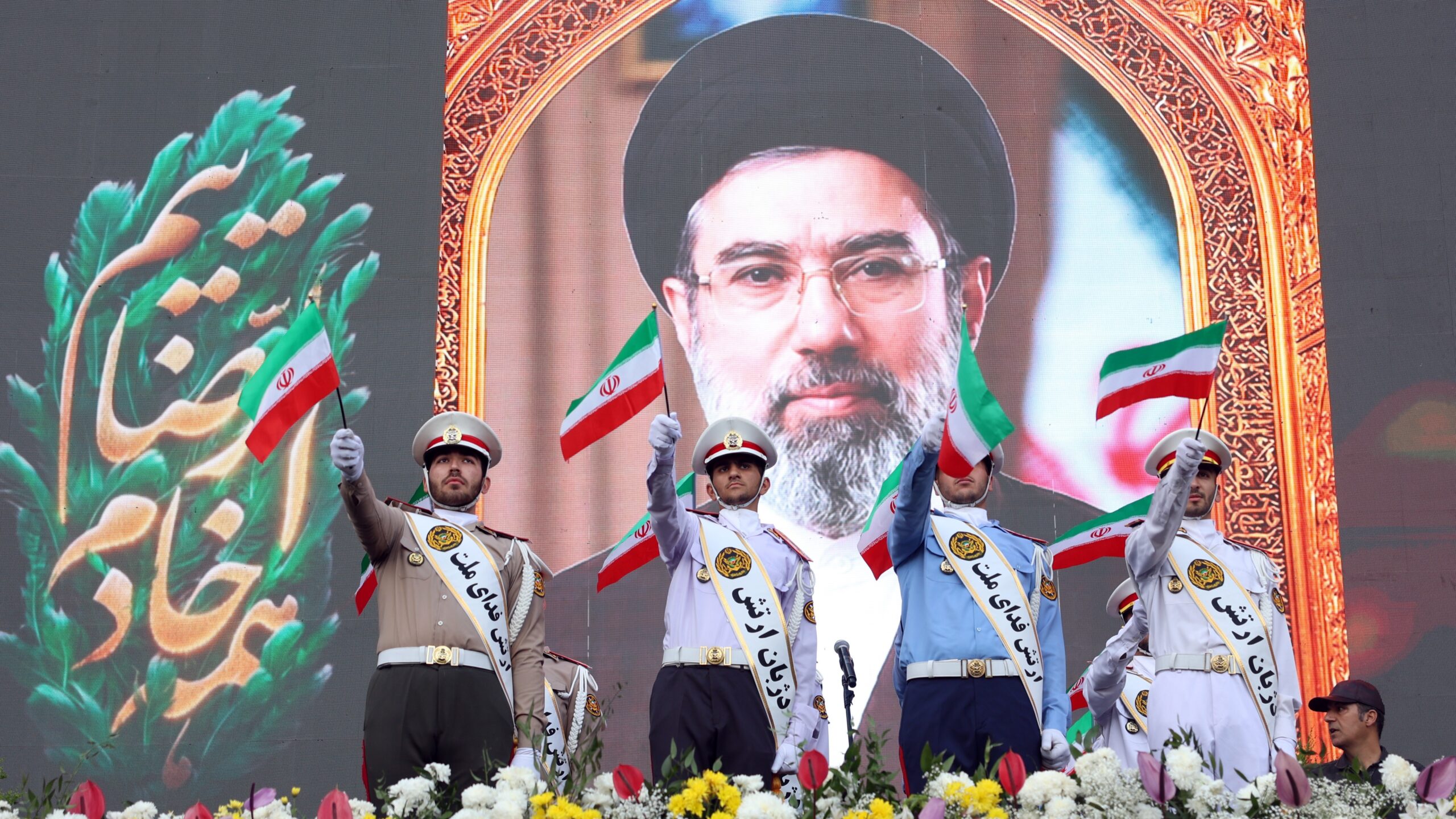
The Shin Bet, social media platforms and independent researchers are working to expose influence operations and protect election systems.

The Shin Bet, social media platforms and independent researchers are working to expose influence operations and protect election systems.
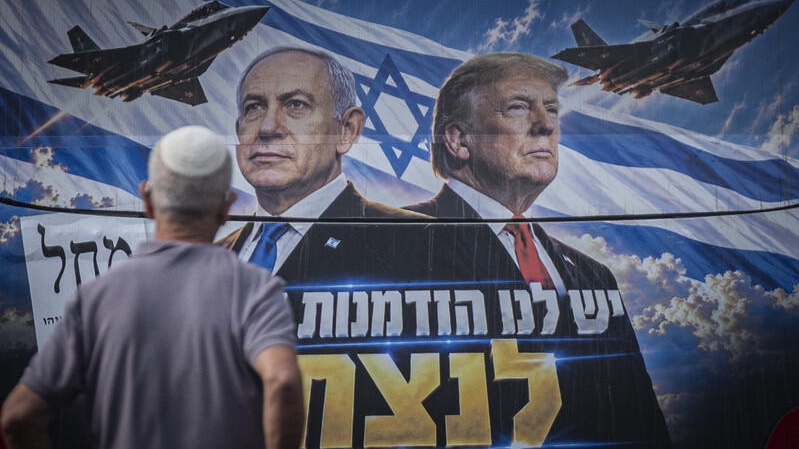
A day before the vote, the US president doubled down on an endorsement, and again tied Netanyahu’s reelection to the unfinished war with Iran.
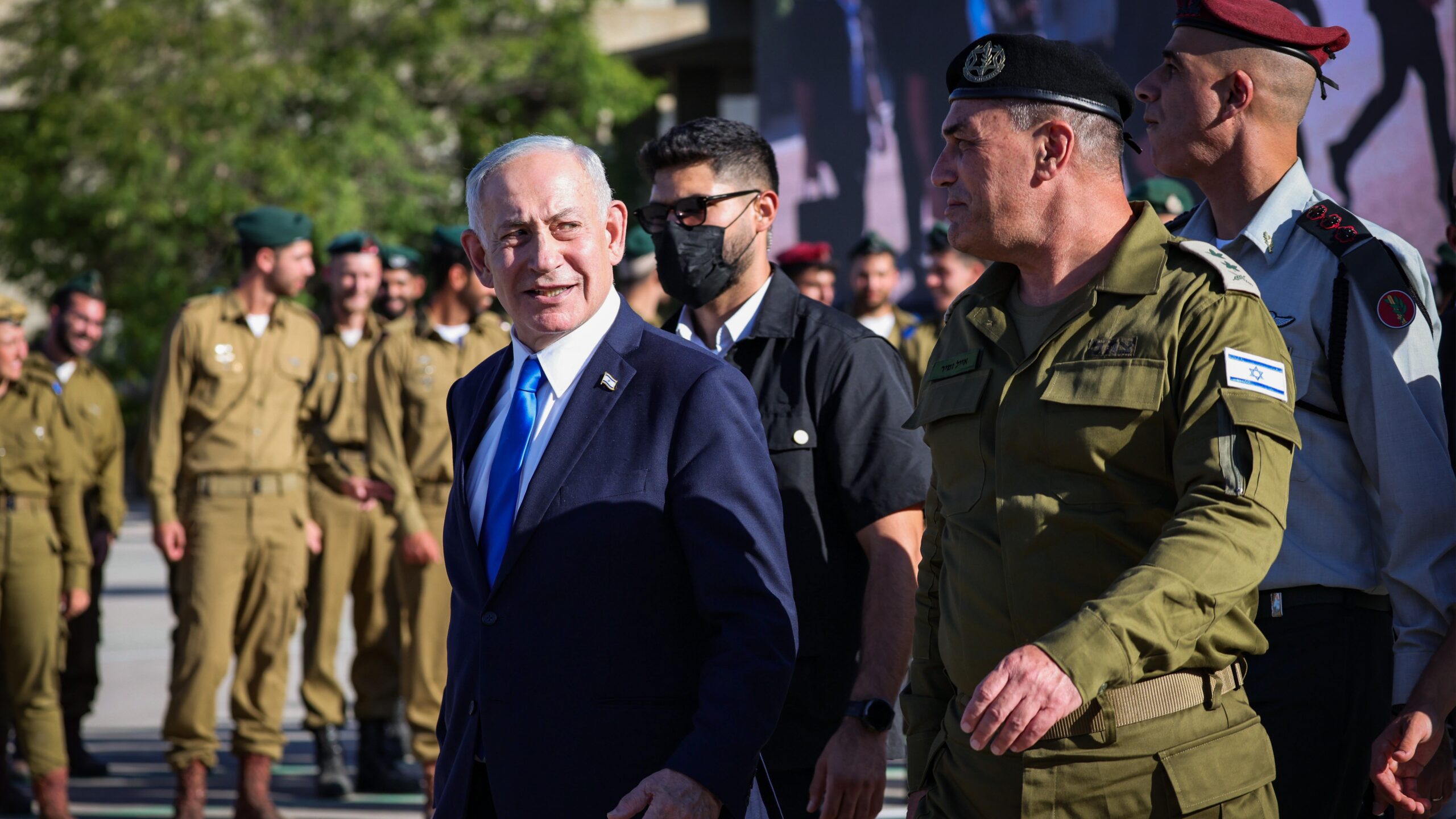
A possible military strike against Iran is causing tensions between politicians and military leadership. At the same time, there is suspicion that political interests could be influencing decisions about war and peace.
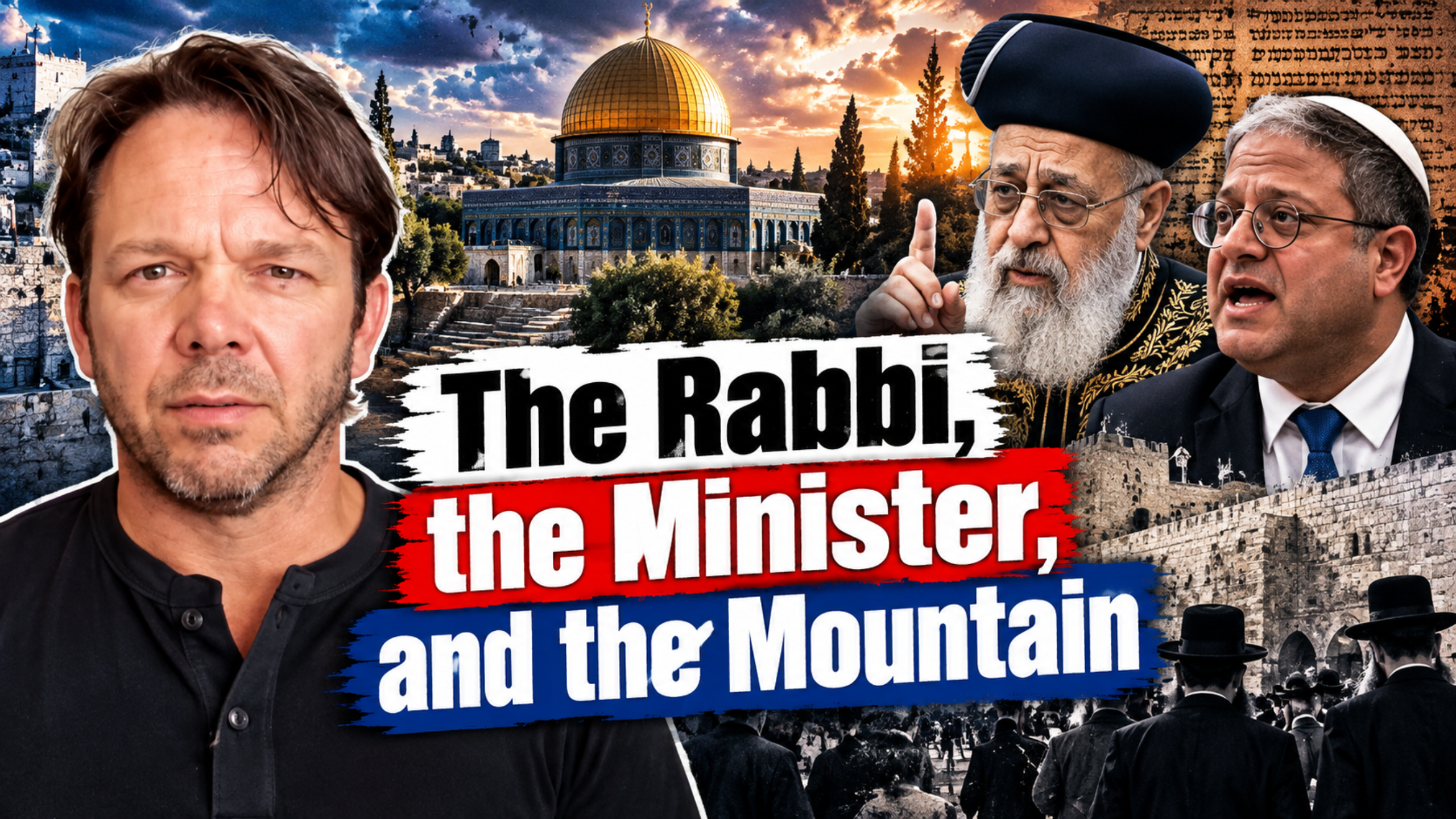
Shas’s spiritual leader has ruled that voting for Itamar Ben-Gvir is a sin. At stake is Judaism’s holiest site, the Temple Mount, and who speaks for the tradition.
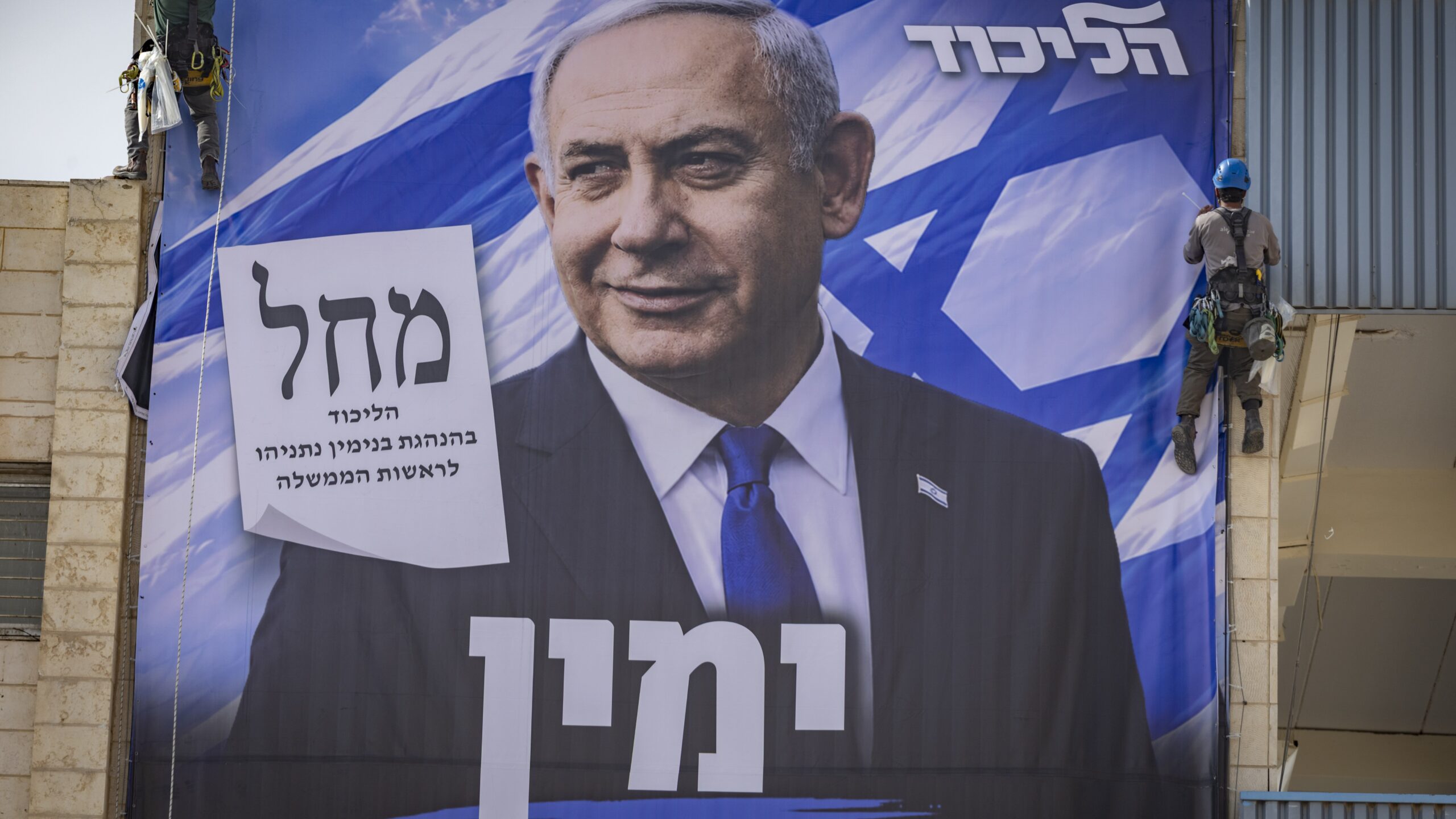
One day before the election, Prime Minister Netanyahu warns of an Iranian atomic bomb over Tel Aviv and portrays his political rivals as a threat to Israel’s existence. Yet his warnings contradict his own earlier declarations of victory.

Shas’s spiritual leader says Jewish law forbids voting for Ben-Gvir’s party. The dispute is not whether religious Jews care about Judaism’s holiest site, but what caring for it requires.
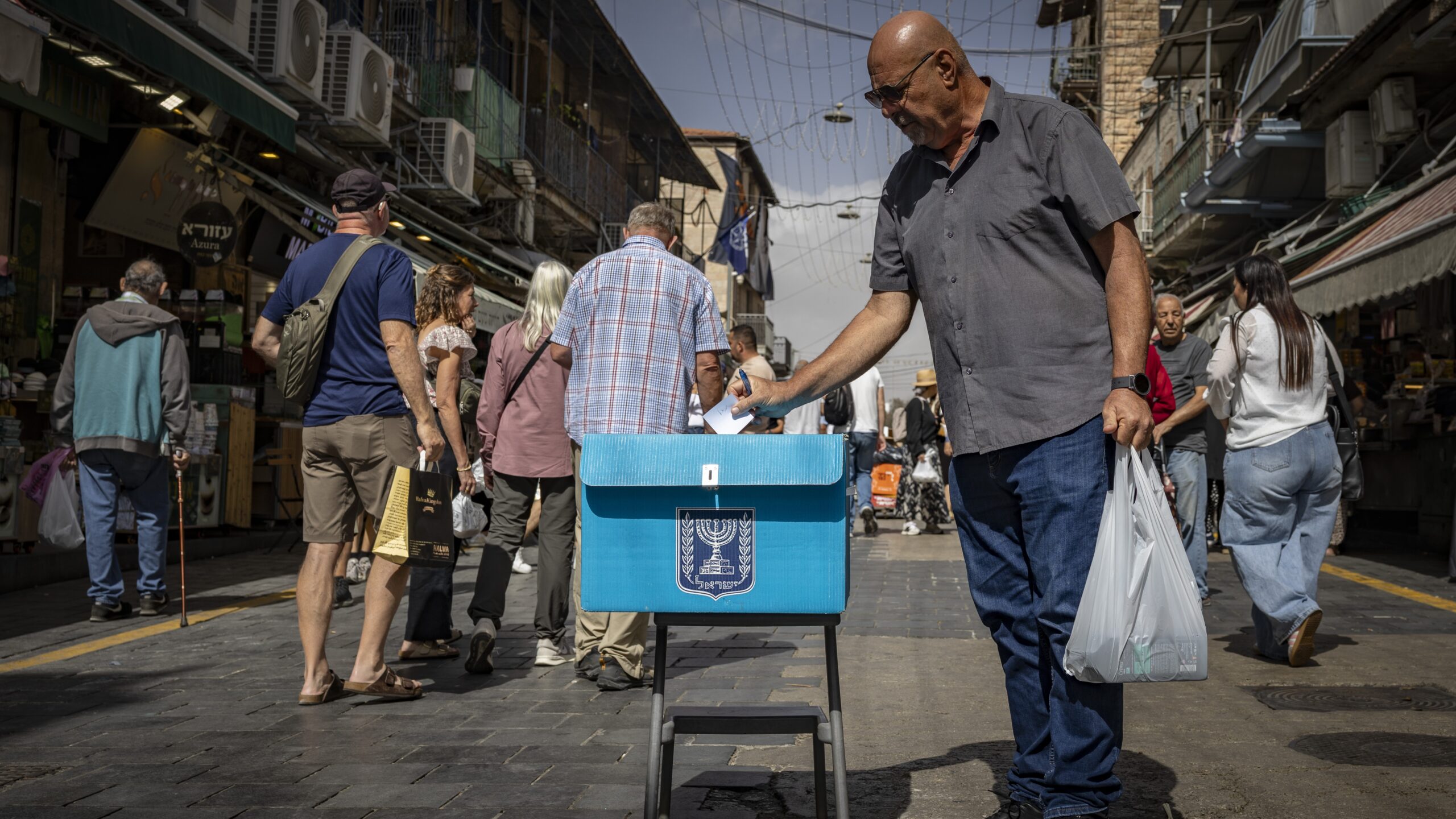
Shortly before the Knesset elections, Israel’s television channels are painting completely different pictures of the political mood. The decision at the ballot box will pass judgment not only on the next government, but also on the credibility of the media.
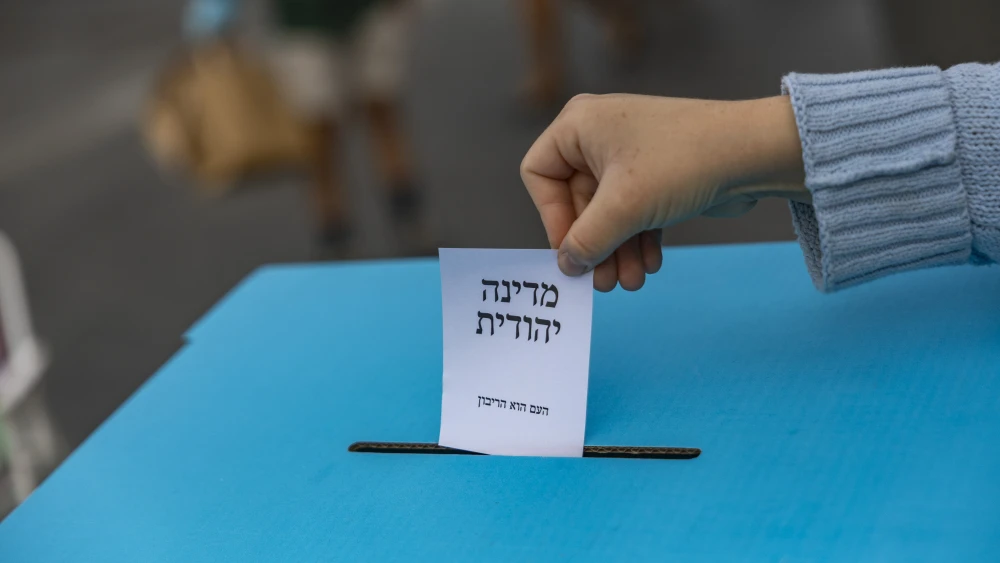
The Jewish state will not allow these forces to dictate the choices of its citizens.

At a private parlor meeting in Jerusalem, the Israeli Finance Minister addressed a range of issues, including the economy and cost of living, haredi conscription and Israel’s policies in Judea and Samaria.
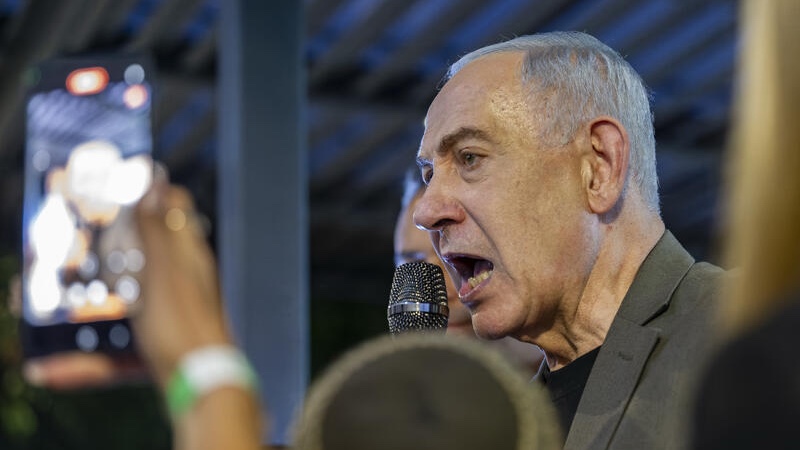
Just days before the election, the prime minister lays out his post-Oct. 7 security doctrine: Strike first, trust no one’s intentions, no Palestinian state.