While Netanyahu’s right-wing bloc falls short of a governing majority, the Arab parties are gaining influence. The political deadlock is reminiscent of a biblical warning against power struggles and the division of the people.
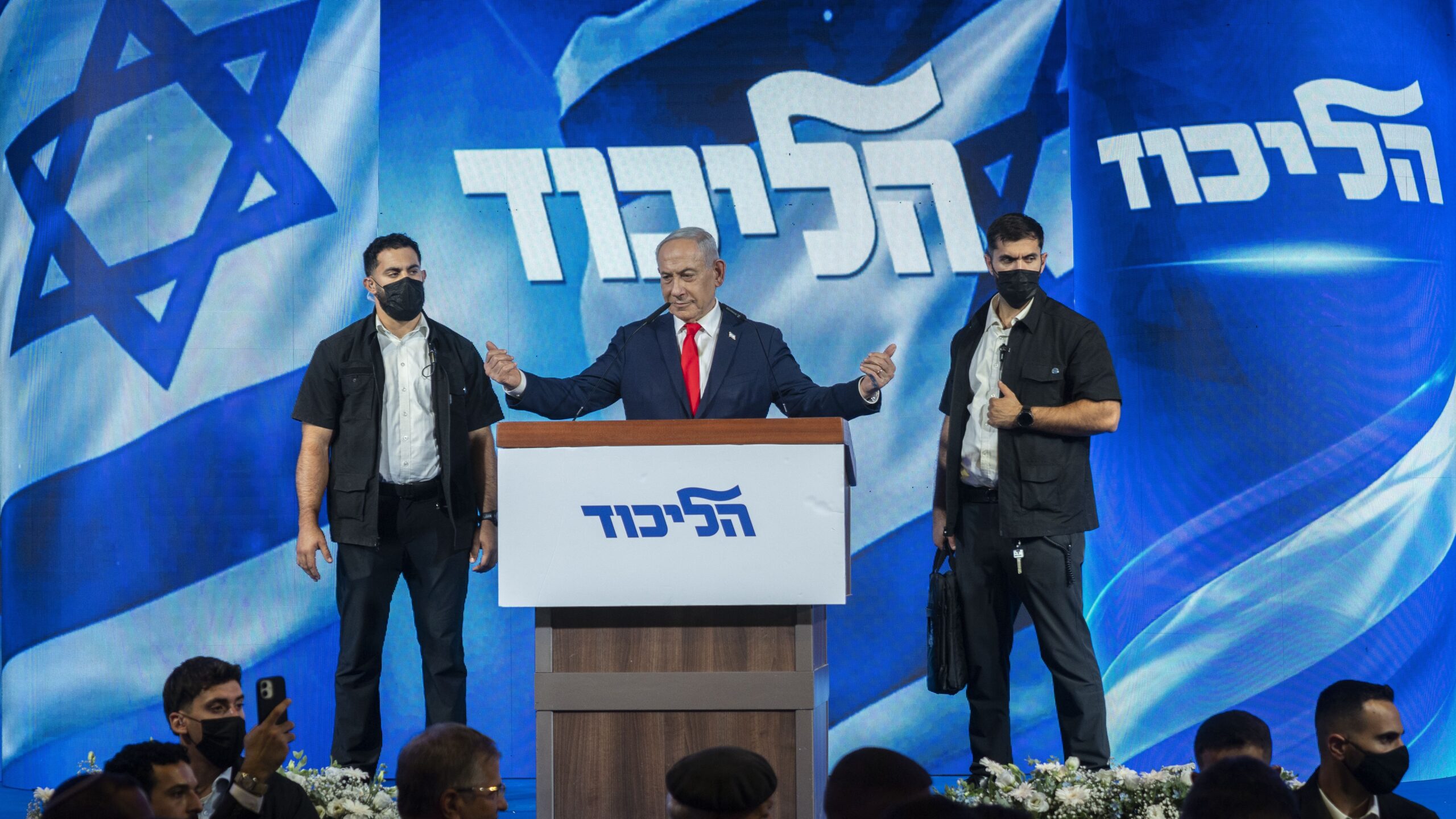
While Netanyahu’s right-wing bloc falls short of a governing majority, the Arab parties are gaining influence. The political deadlock is reminiscent of a biblical warning against power struggles and the division of the people.
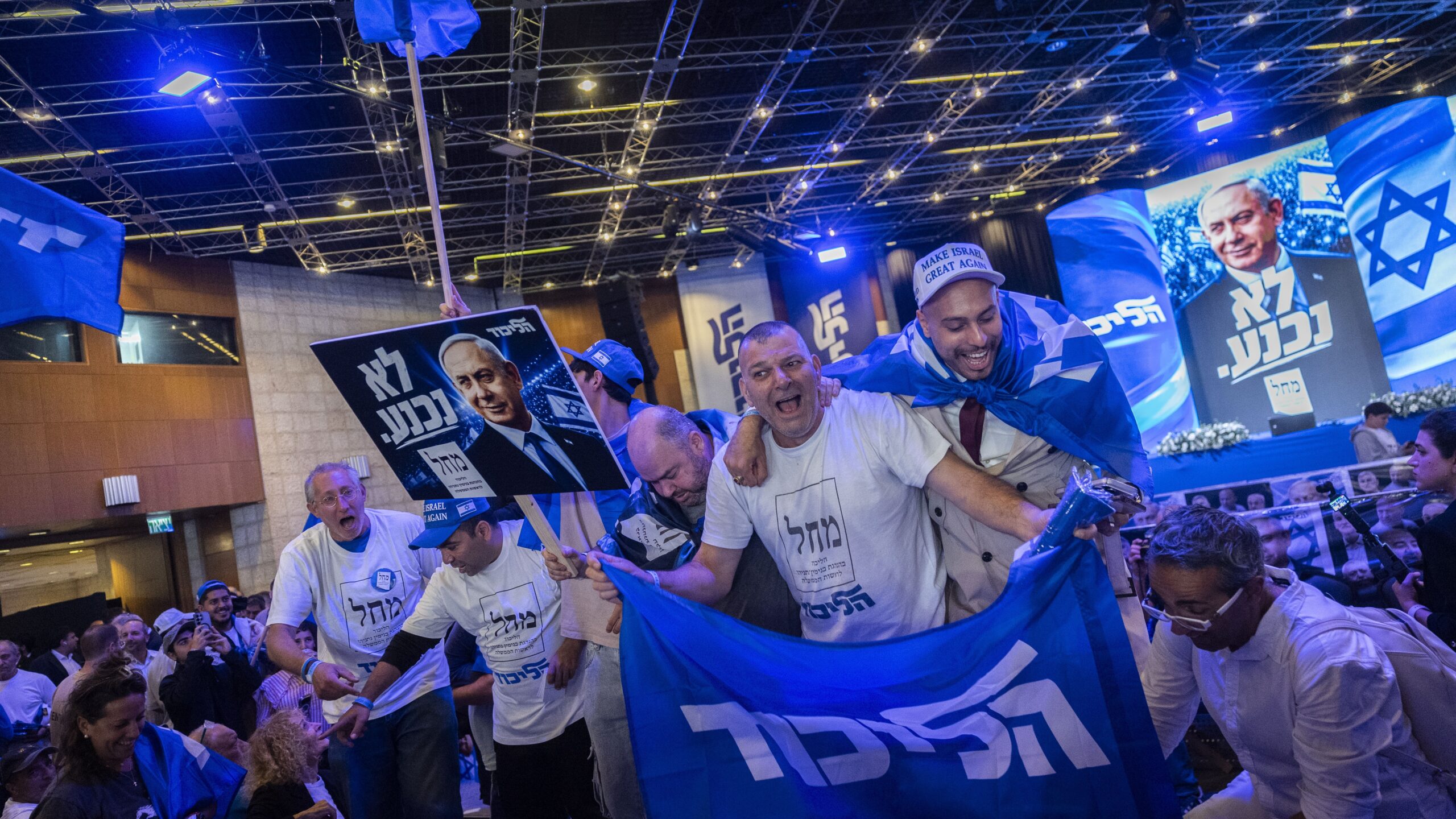
Netanyahu performs significantly better than expected, yet falls short of a governing majority so far. The surprising election results and the possible coalition scenarios.

“Don’t make this mistake. Don’t destroy the State of Israel,” said the Otzma Yehudit leader.
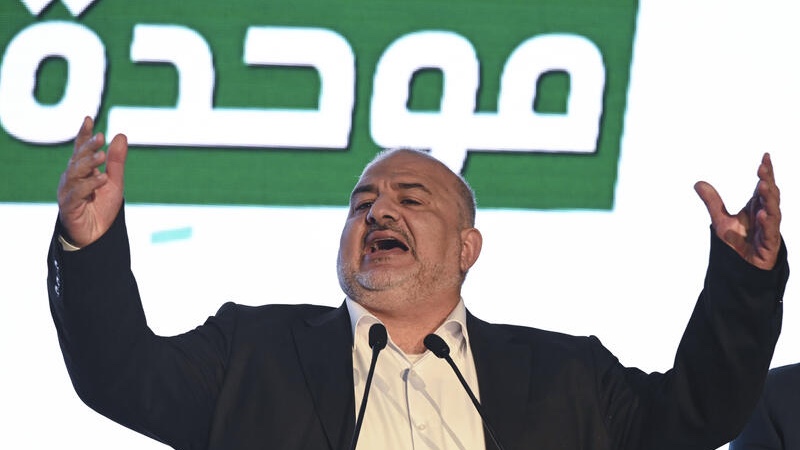
The fraud question and the backfire question both deserve answers. The arithmetic behind them is already clear, and it traps the opposition first.
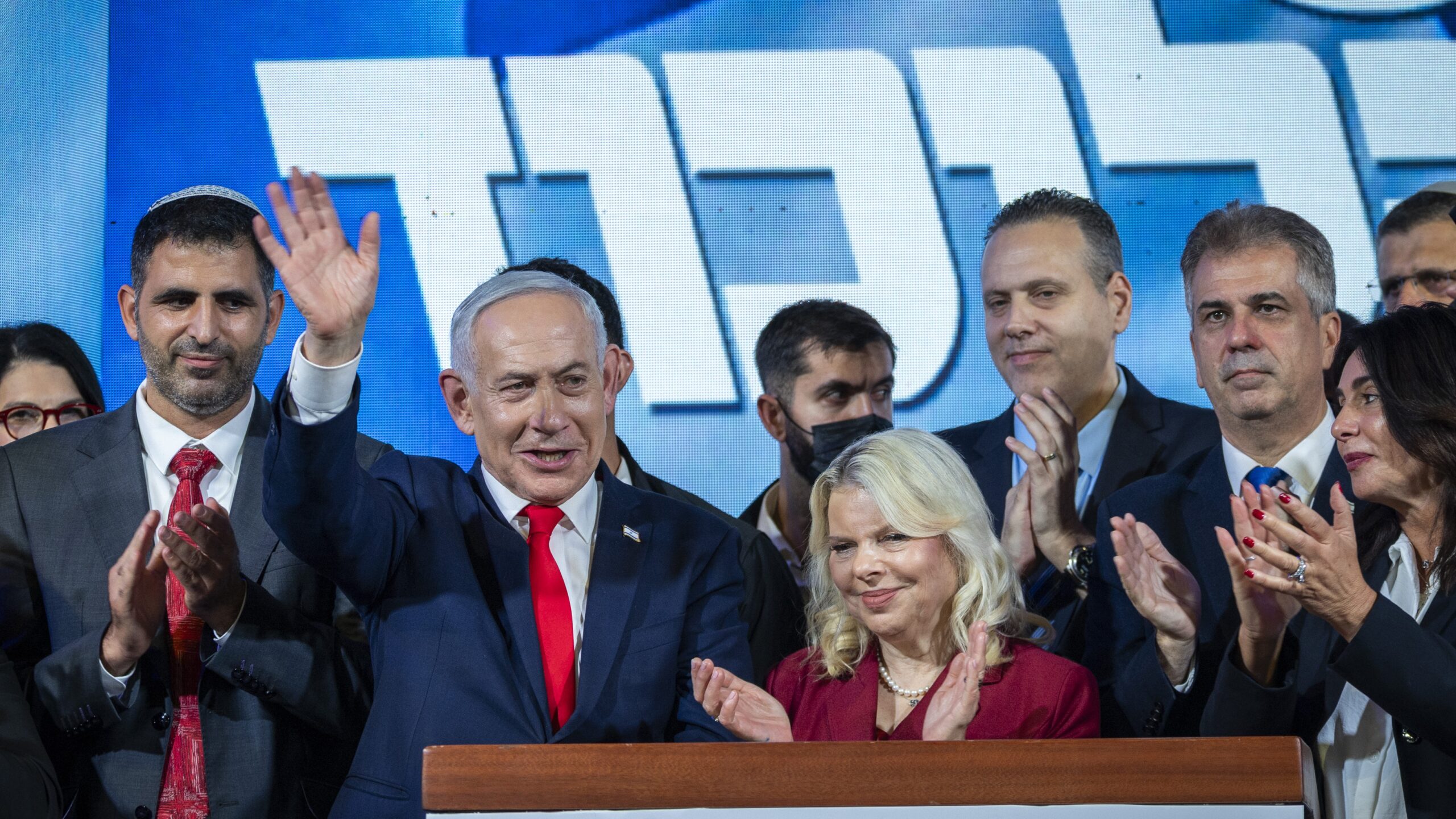
After counting more than half of the polling stations, Netanyahu’s camp is projected to win 55 seats. Six seats are missing for a majority in the Knesset.

“Israel is a thriving democracy, and the Palestinian Authority is just another dictatorship in the Middle East,” Rabbi Steven Burg, of Aish, told JNS.

Since 7 a.m., the polling stations have been open. More than 7.3 million Israelis are called upon to decide the political future of the country.
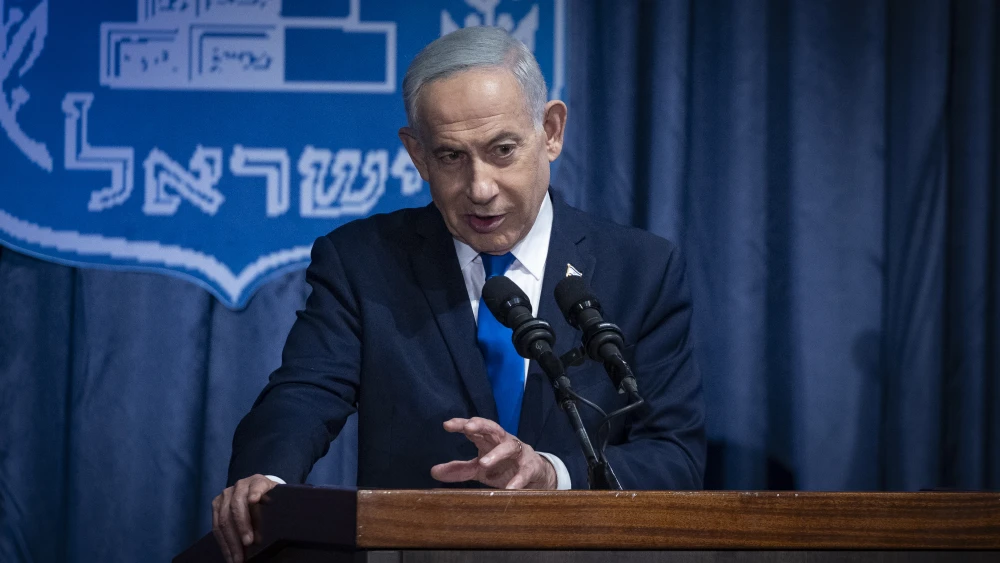
Security remains central to the election, but voters on the right and left differ over the threats facing Israel and how best to address them.

Israel votes today, reaffirming a 3,000-year-old civilization’s commitment to democracy in the heart of the Middle East.
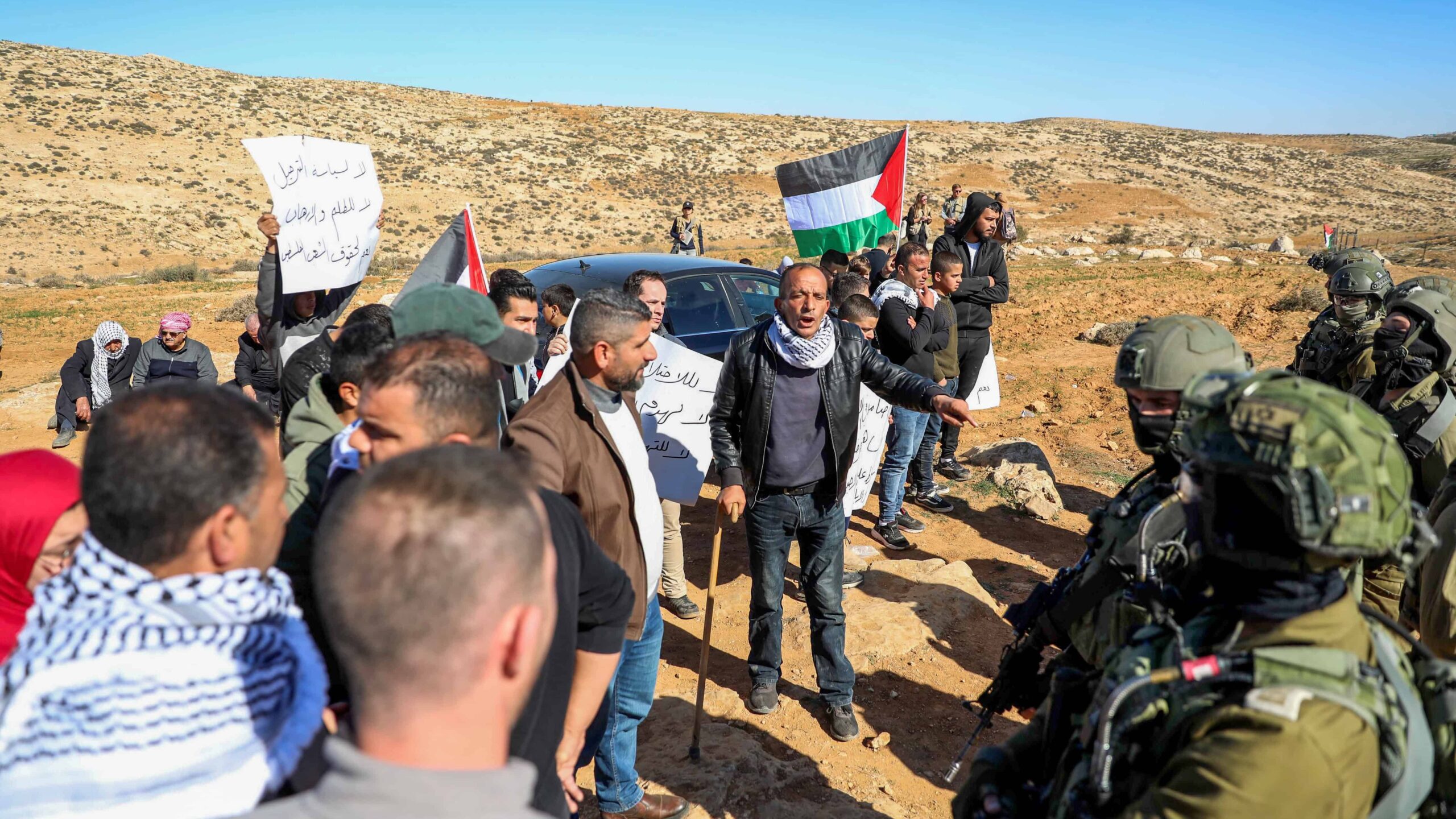
Israeli analysts told JNS that at the least, an opposition victory means a freeze on new settlement construction. In the worst-case scenario, it puts Israel’s very survival at risk.