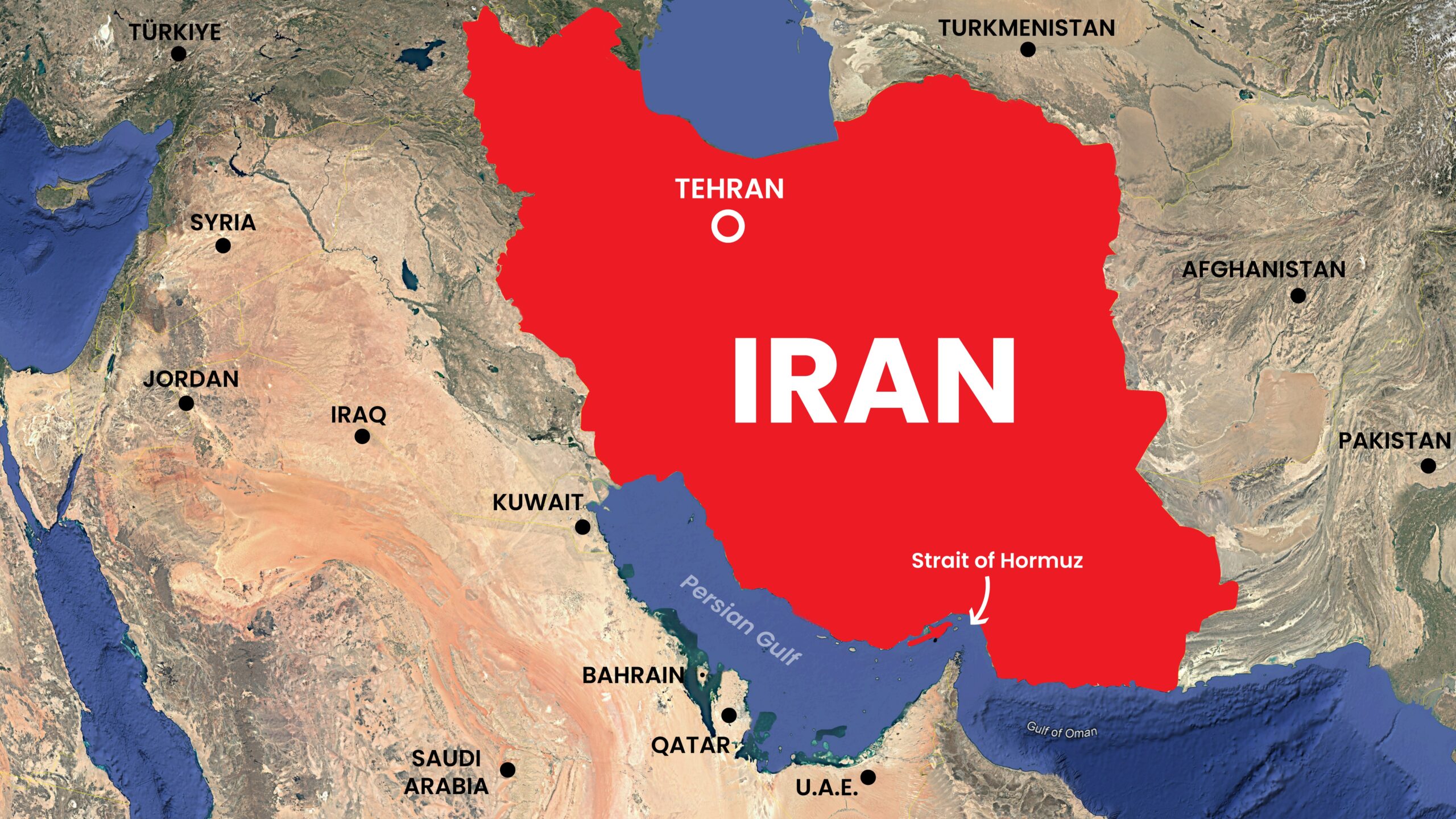
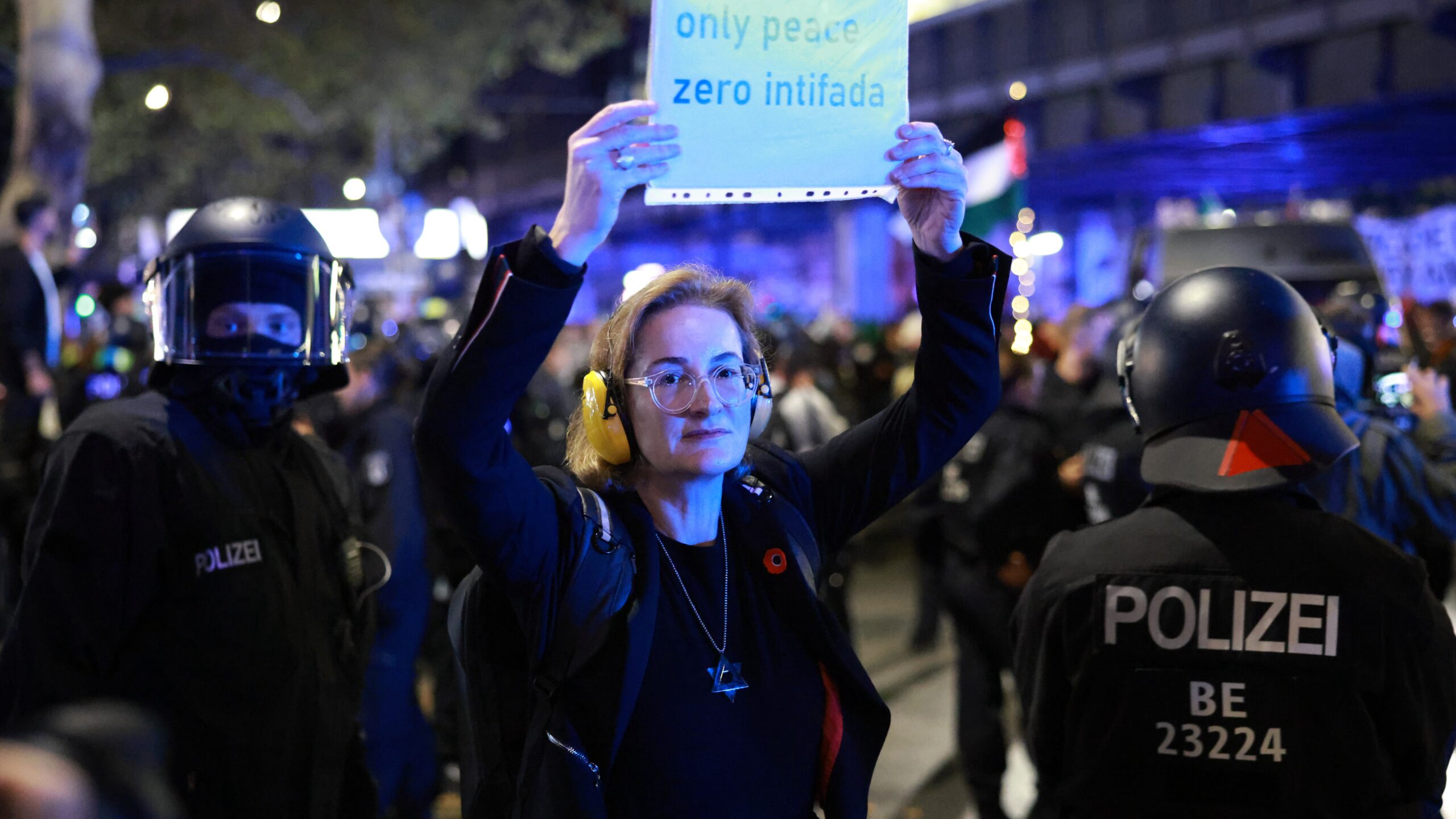
The military self-defense into which Israel was forced by the terror of October 7, 2023, has indeed split across several fronts — Gaza, Lebanon, Syria, Yemen, Iran — but fundamentally, all roads lead to Tehran.
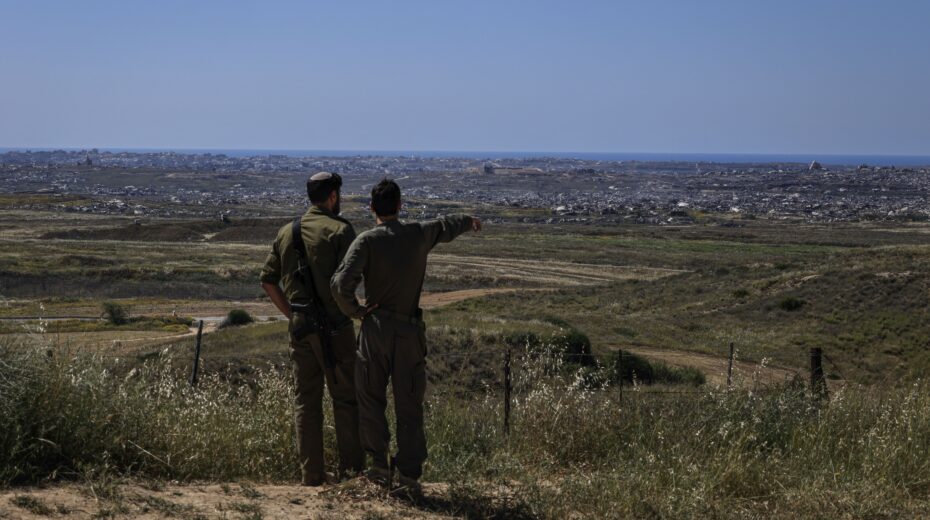
The military self-defense into which Israel was forced by the terror of October 7, 2023, has indeed split across several fronts — Gaza, Lebanon, Syria, Yemen, Iran — but fundamentally, all roads lead to Tehran.
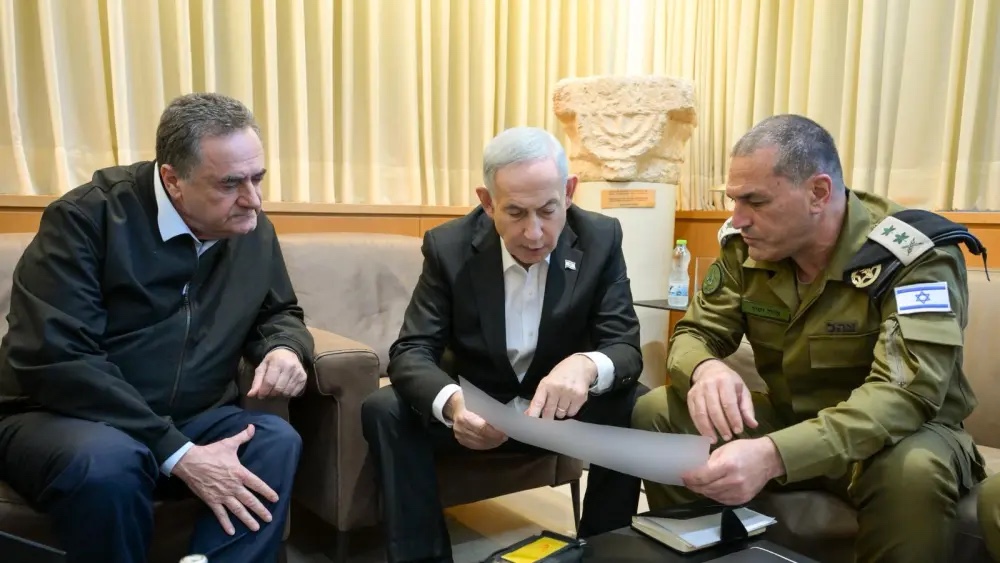
As Trump pushes for regional deals, the Jewish state focuses on preventing Hezbollah and Hamas from rebuilding—and ensuring that Iran never obtains a nuclear weapon.
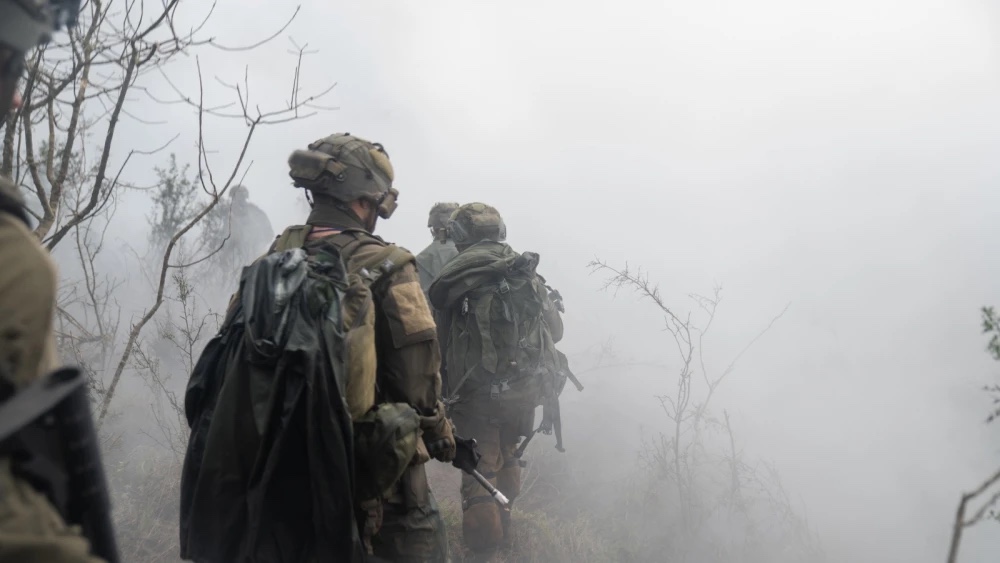
The IDF maintains a critical presence across Lebanon, Gaza and Syria to deny enemy buildup.

I thought I was fine, till I discovered how the body carries war within it, way long after a ceasefire.
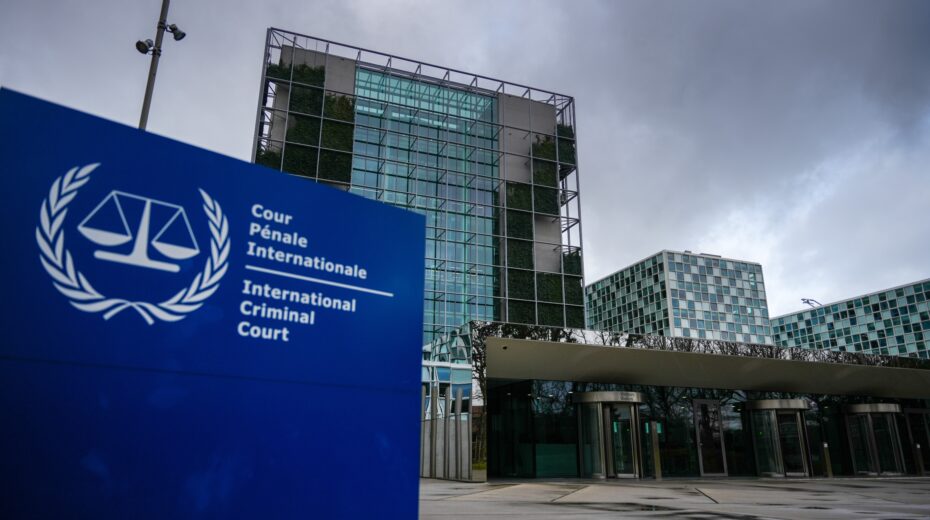
The first such legal move on behalf of a Palestinian against the terror group at the International Criminal Court has gone unanswered since December.

Israel was roundly condemned for taunting Gaza flotilla activists, while there was little outcry after Spanish police beat them.

The reaction to the latest Gaza flotilla reveals a familiar pattern: outrage at the Jewish state, silence on terrorism and indifference to the region’s real aggressors.
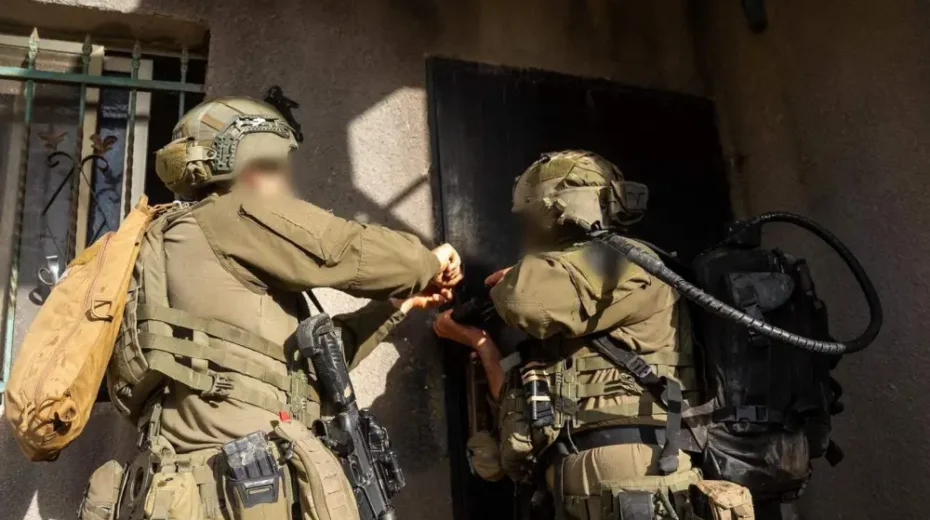
From Hamas weapons depots in Gaza to Hezbollah drone attacks in Lebanon and undercover arrests in Samaria, Israel remains in active combat posture across every front — even as ceasefire diplomacy stalls.

Israeli Finance Minister Bezalel Smotrich’s warning is blunt, but the principle is basic: no nation is required to absorb violence, lawfare, and terror while pretending its enemies are merely filing paperwork.
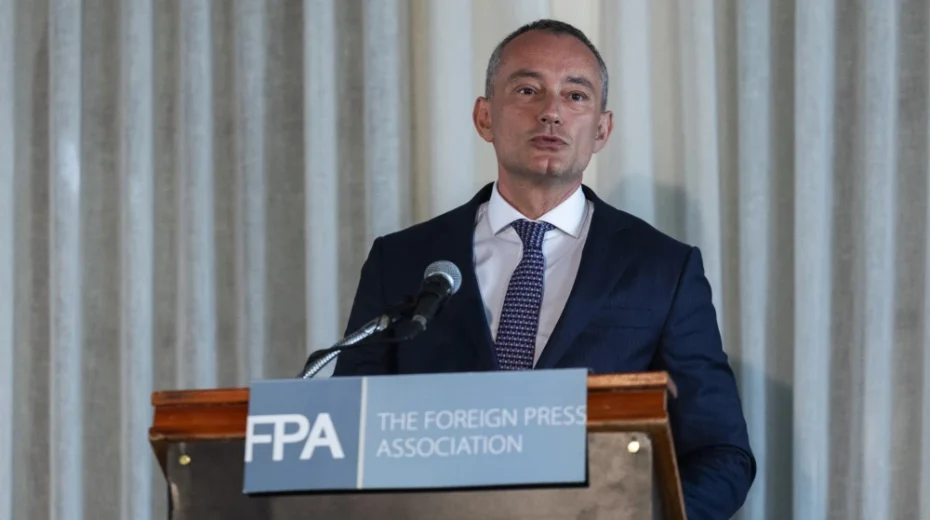
In a report delivered to the UN Security Council, the board says the terrorist organization’s refusal to give up its weapons remains “the principal obstacle to full implementation” of the Gaza ceasefire.