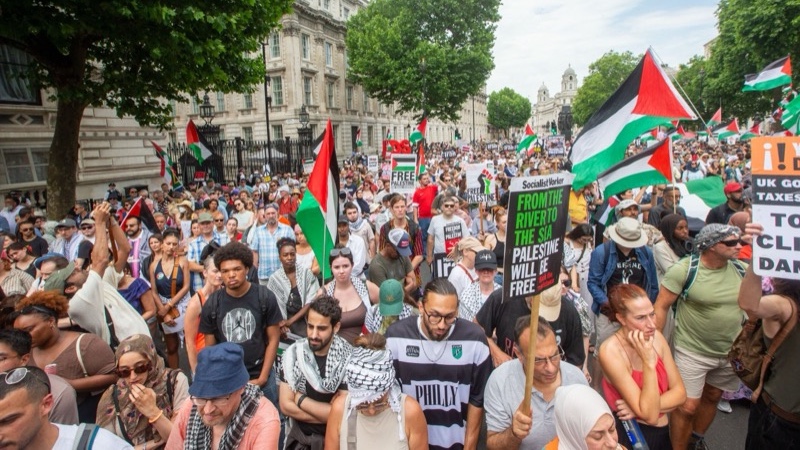
“We now need the conditions on the ground that will allow the support to reach the people in Gaza,” European Commissioner Dubravka Šuica said.
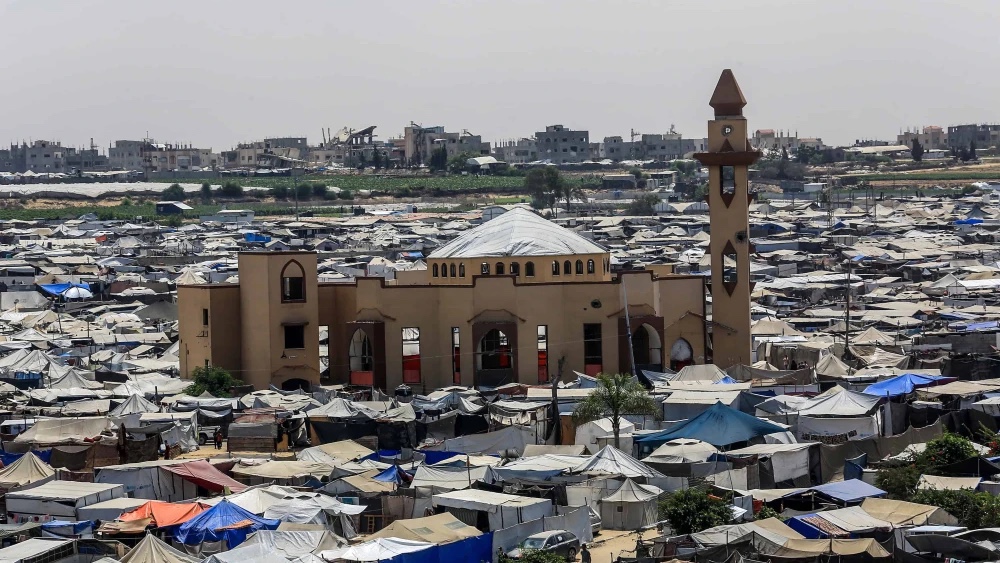
“We now need the conditions on the ground that will allow the support to reach the people in Gaza,” European Commissioner Dubravka Šuica said.
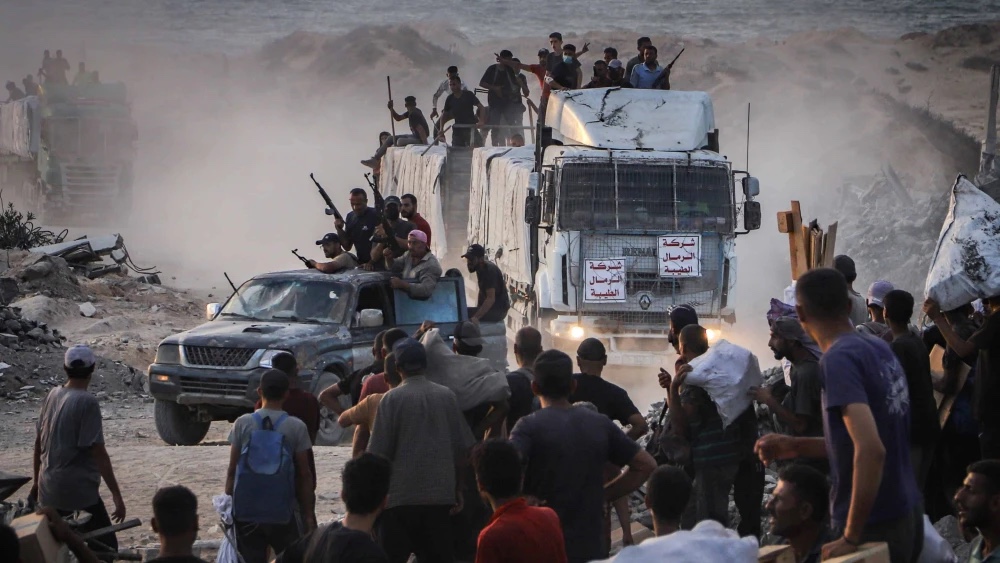
A senior US official told JNS that a foreign aid watchdog “consistently flagged incidents of Hamas interference in the delivery of aid, which the UN, until now, chose to ignore.”
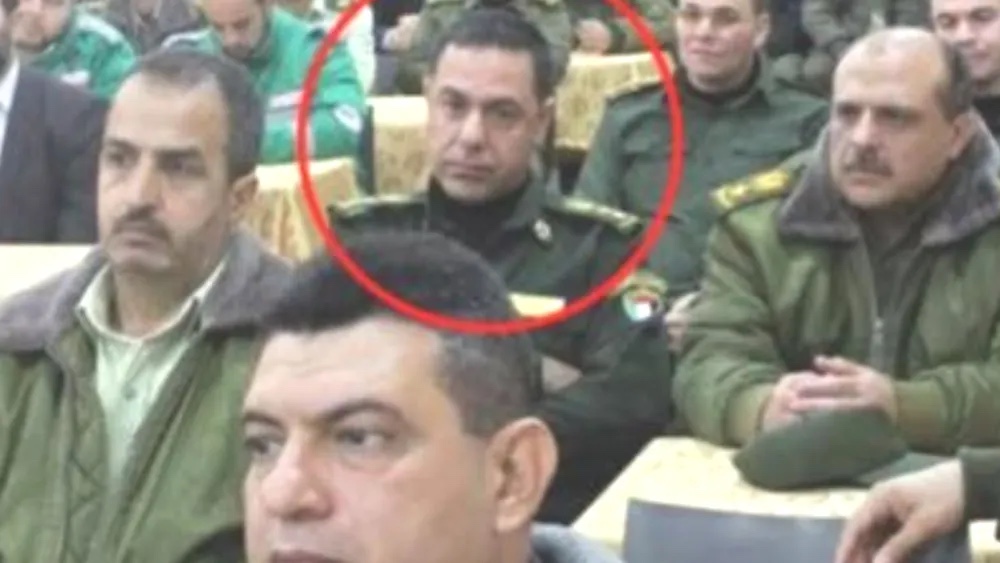
Hussam Abu Safiya used his position at Kamal Adwan Hospital to engage in terrorist activity, according to Israel’s Permanent Mission to the United Nations and International Organizations in Geneva.
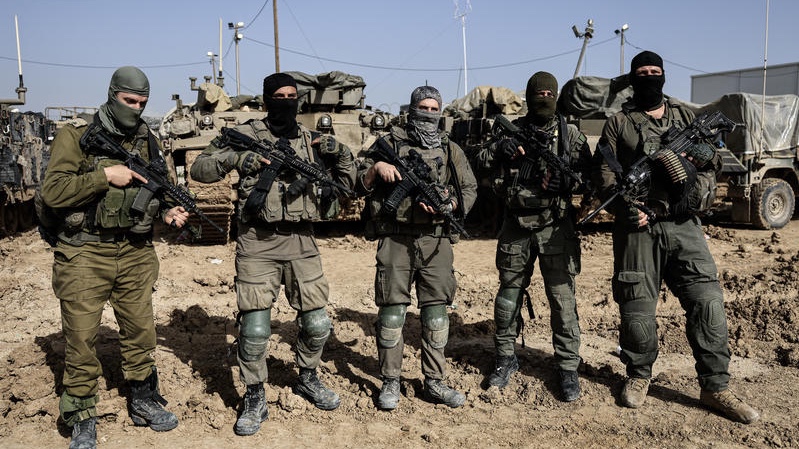
The numbers behind the war tell a more complex story than headline casualty totals alone.
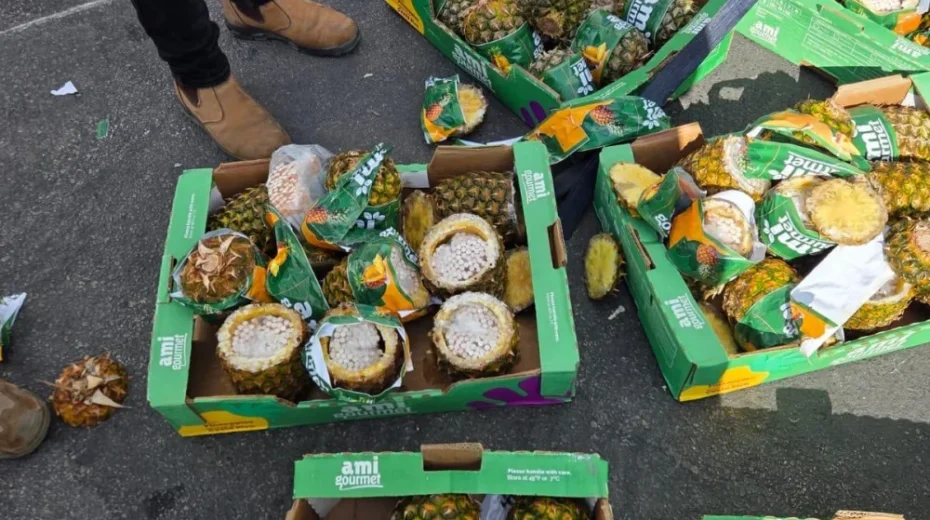
Israeli authorities have thwarted an unusual smuggling attempt into Gaza. If cigarettes can be hidden in pineapples, then weapons certainly can too.
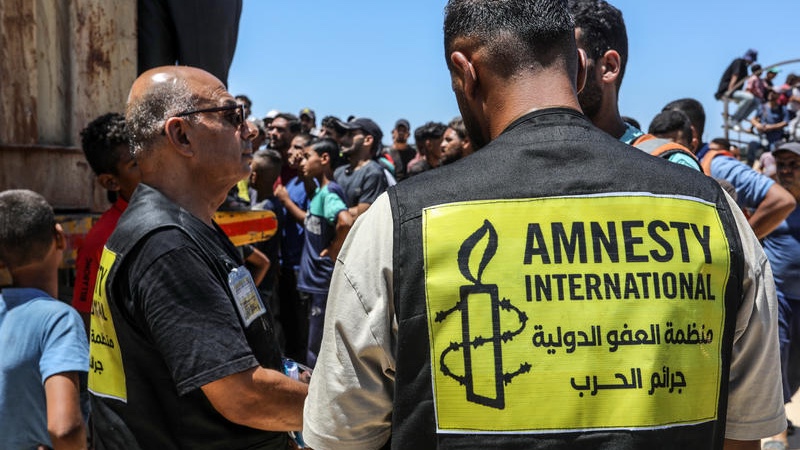
The 63-page submission highlights methodological failures, antisemitism, and a lack of independent accountability across major humanitarian organizations.
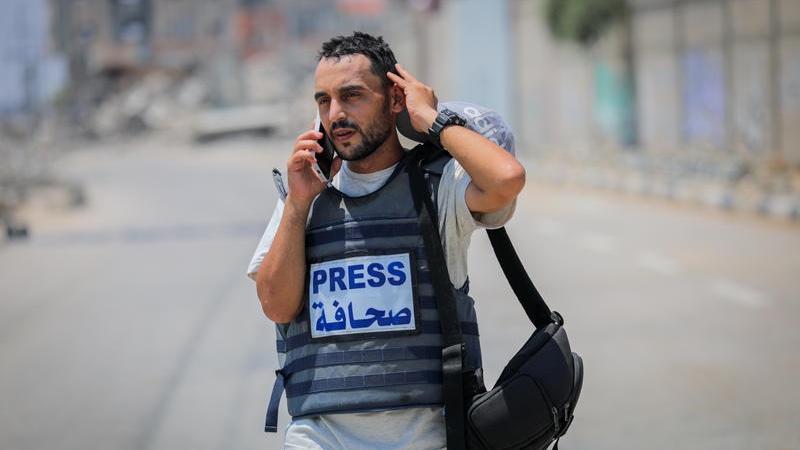
Mourning notices issued by Hamas and Islamic Jihad prompted a review of lists used by major international news outlets.
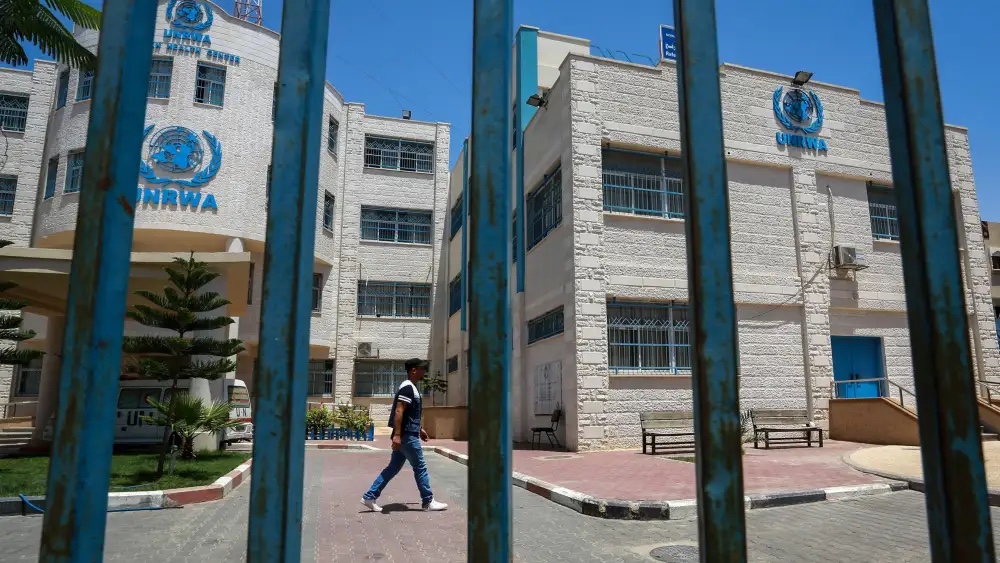
Washington is urging donor nations to stop financing an agency accused of perpetuating refugee dependency, tolerating incitement, and allowing Hamas-linked personnel to operate within its ranks.
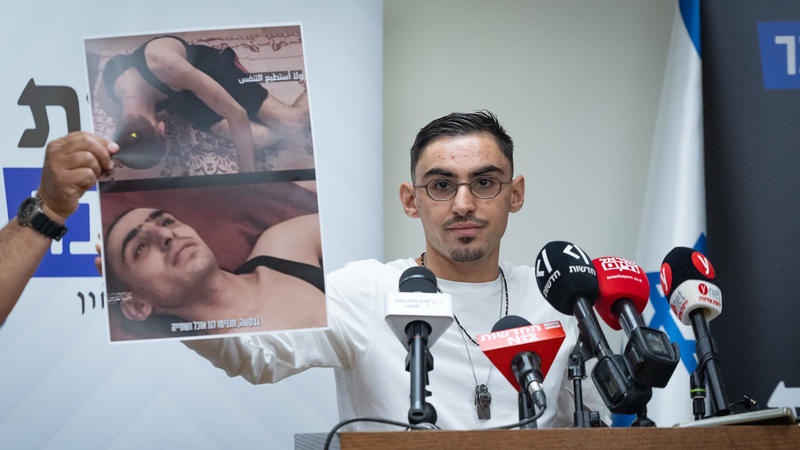
Rom Braslavski says Talal Jaber Mohammad Abd al-Aal brutalized him for over a year: “Enjoy hell.”
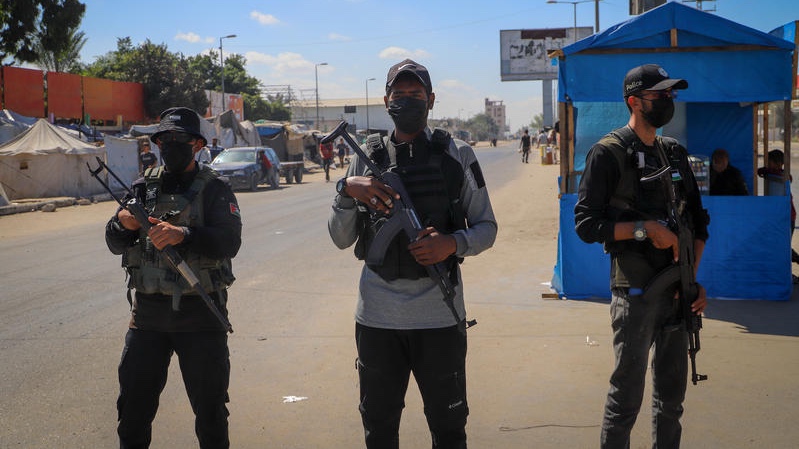
Hamas’s crackdown on dissents reveals the obvious: Gazans need liberation from their rulers, not another round of international lectures aimed at Israel.