Nir Dvori gave voice to what many Israelis are thinking: not that Israel failed militarily, but that it may have stopped just before converting battlefield gains into strategic clarity.
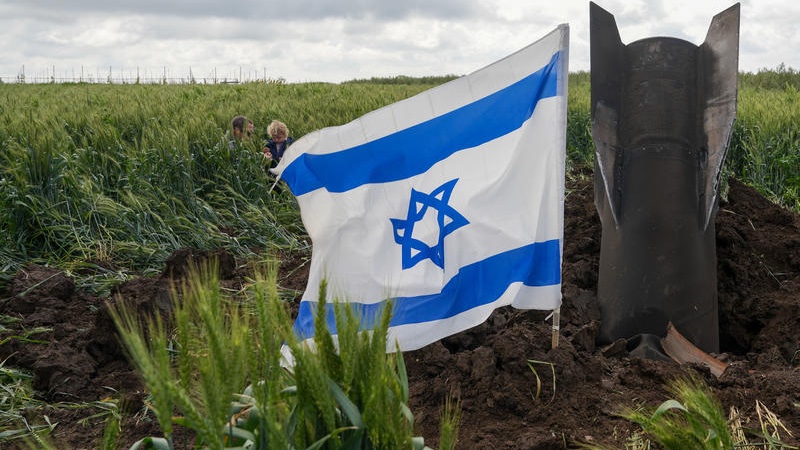
Nir Dvori gave voice to what many Israelis are thinking: not that Israel failed militarily, but that it may have stopped just before converting battlefield gains into strategic clarity.
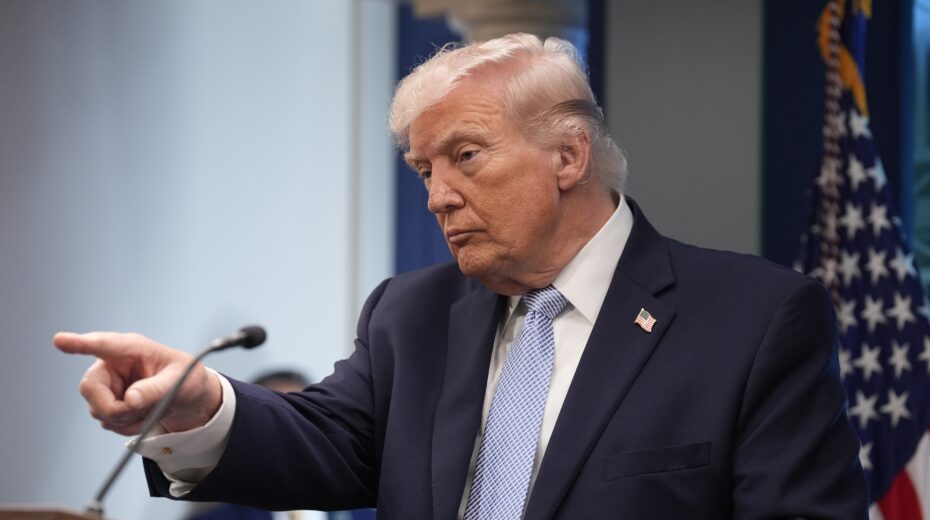
The president threatens unprecedented strikes if Tehran violates the emerging deal during the two-week truce.
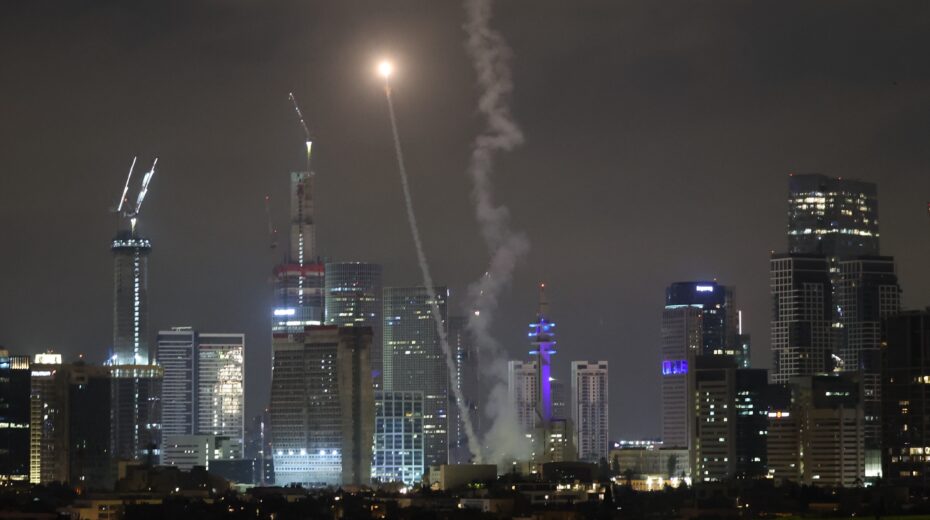
Why the ceasefire leaves more questions than answers and why Israel, despite military successes, remains strategically disappointed.
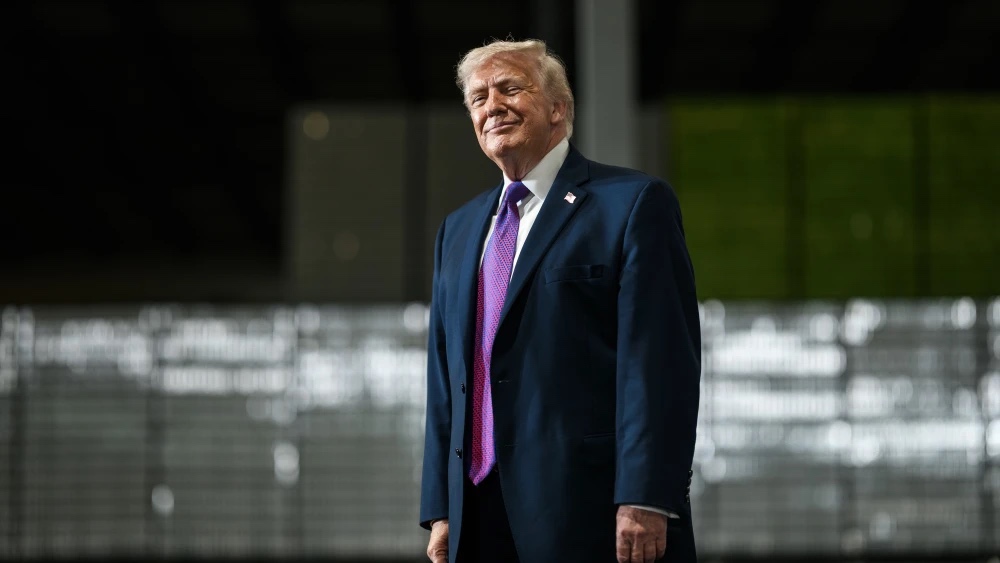
Washington says Tehran was forced into a two-week truce under overwhelming military pressure, while leaving the door open to renewed strikes if negotiations fail.
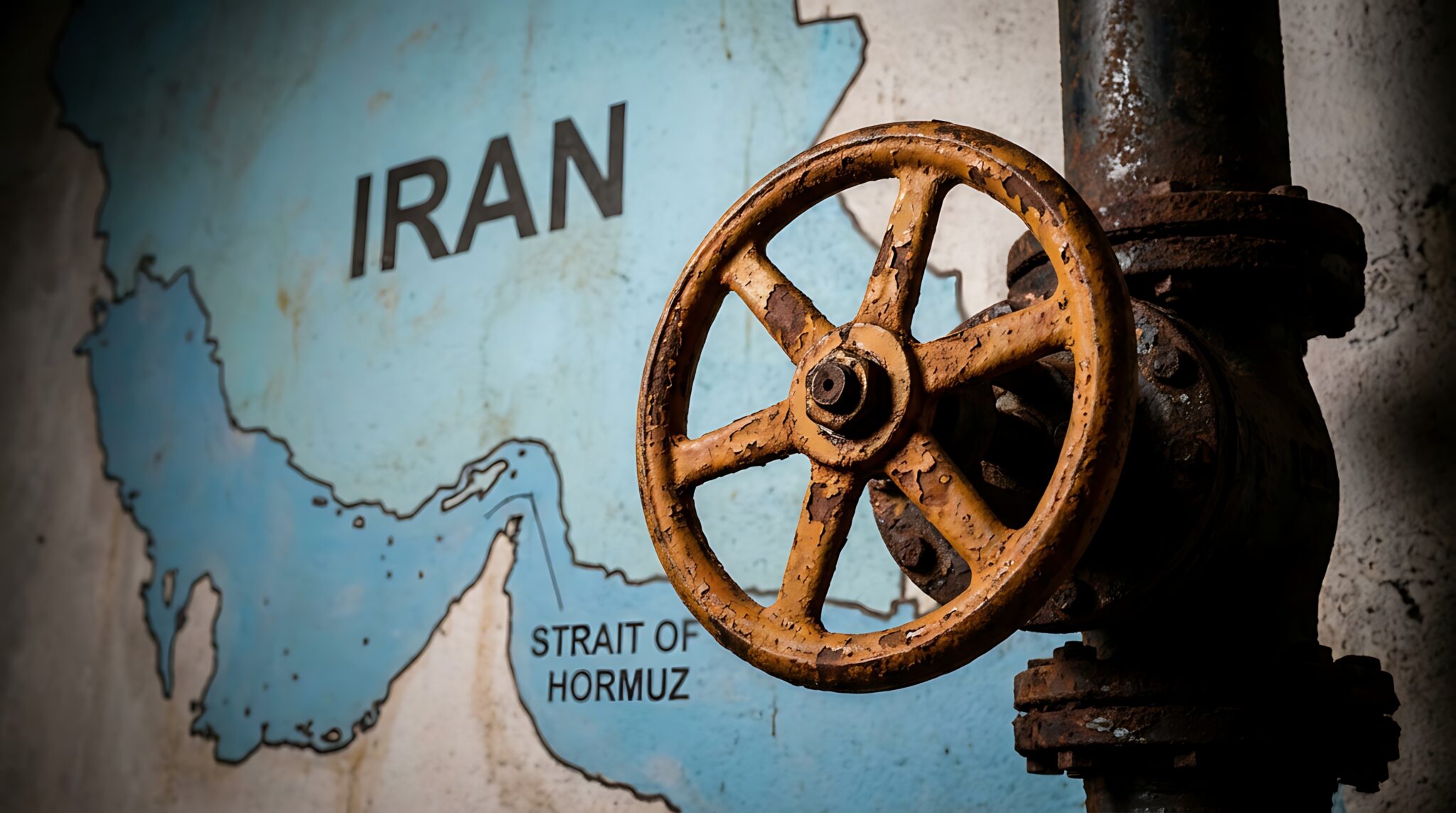
The global economy hangs by a silk thread only 33 kilometers wide: the Strait of Hormuz. In this narrow passage, Iran concentrates its most dangerous strategic pressure point and threatens to shut off the lights by blocking the global energy supply.
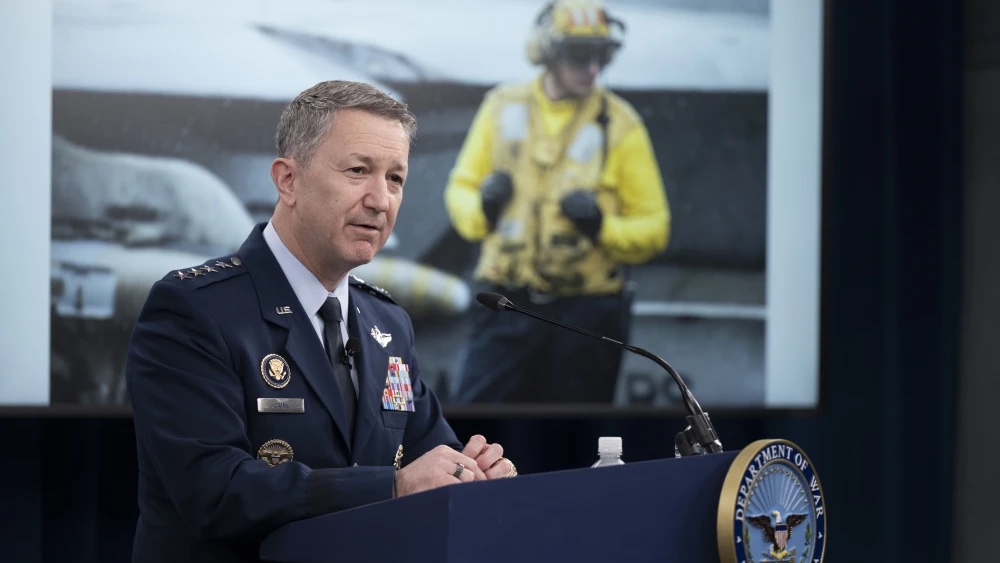
The US president told reporters that the next 24 hours were a “critical period” as Iran faces a deadline to reach a deal.
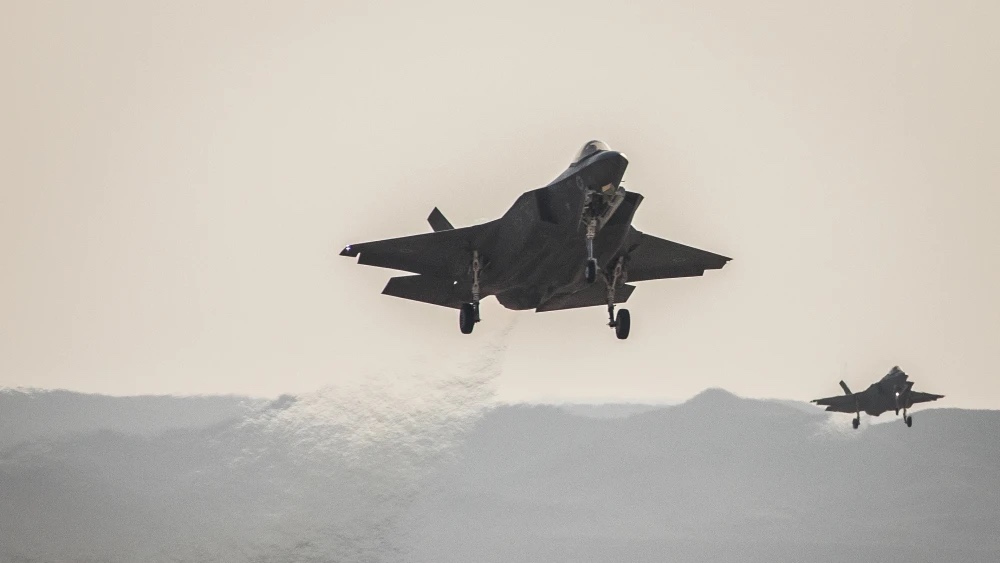
Israeli officials say consecutive attacks on two key facilities have disrupted most of Iran’s petrochemical export capacity and dealt a major blow to revenue linked to missile production.
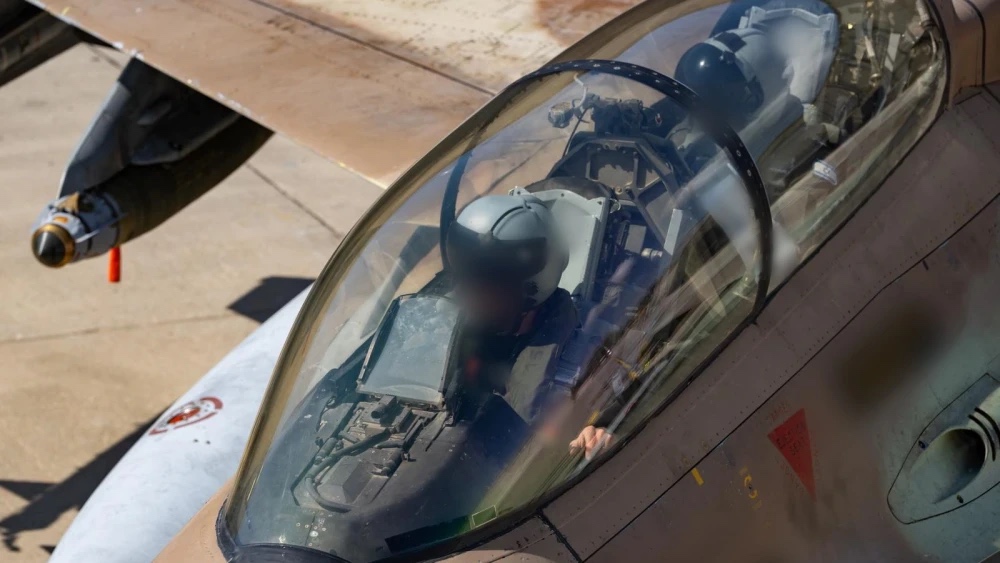
Israeli Air Force fighter jets take part in coordinated wave of attacks targeting weapons production and launch sites.
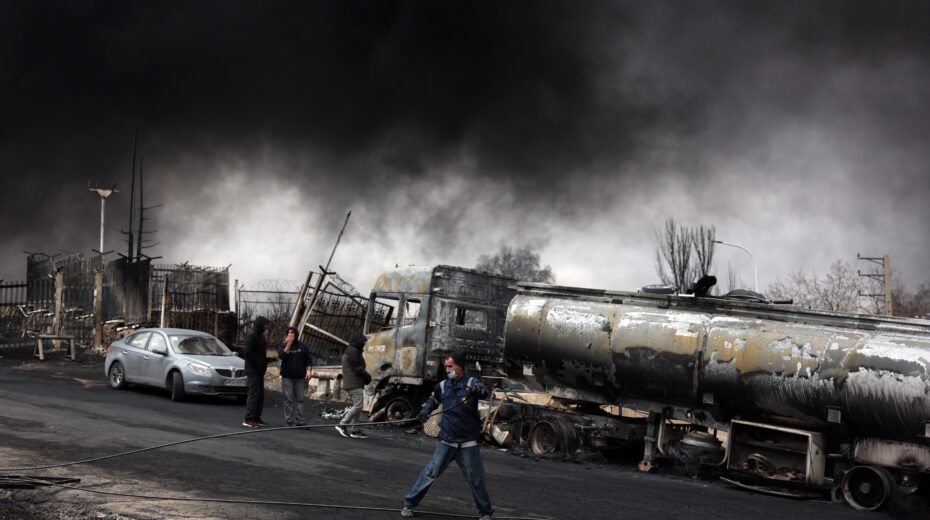
“The damage is incredibly painful to the regime. … You can’t continue to fight if you can’t pay your officers. If you can’t financially sustain the war, that’s a fatal problem,” says an Israeli expert.
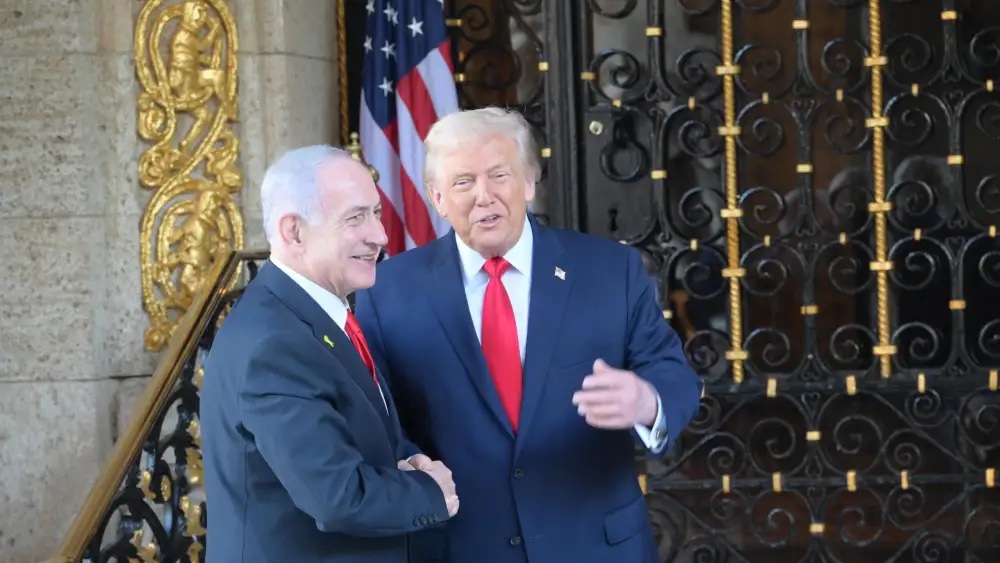
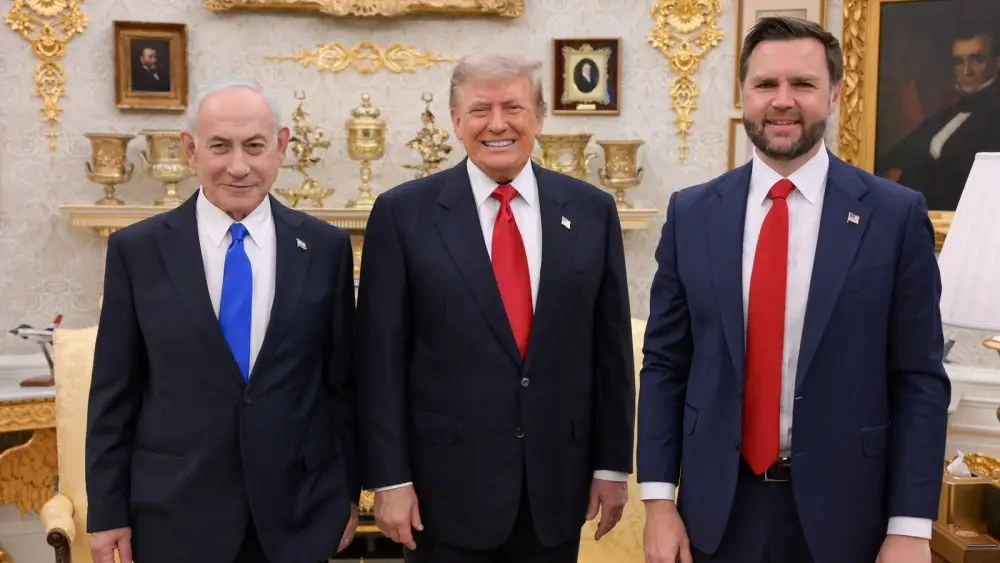
Prime minister says Trump thanked Jerusalem for its role in the operation, calling US-Israel coordination “unprecedented.”