Washington again asks Jerusalem to trade hard-won security positions for promises that someone else will restrain Iran’s proxies.
Washington again asks Jerusalem to trade hard-won security positions for promises that someone else will restrain Iran’s proxies.
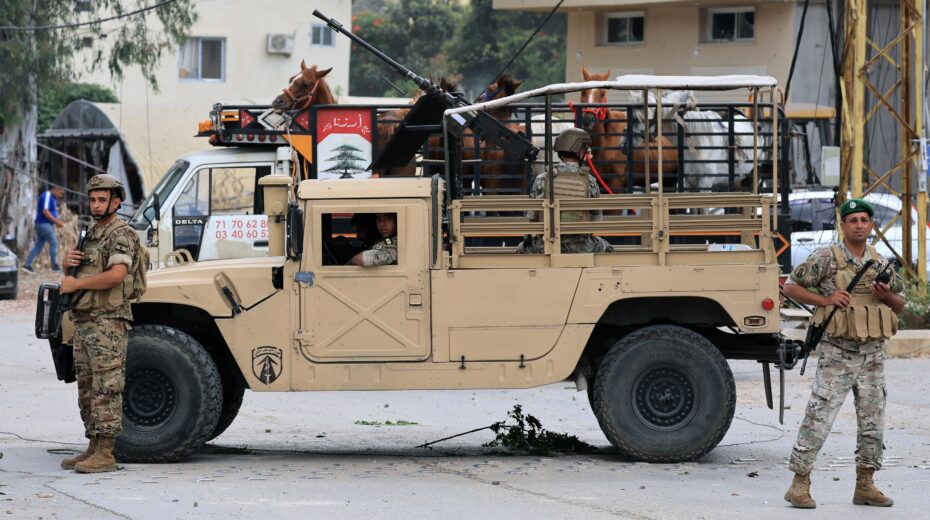
Former Deputy National Security Adviser Orna Mizrahi: Today, a soldier in the Lebanese army receives a quarter of the salary of a Hezbollah terrorist.
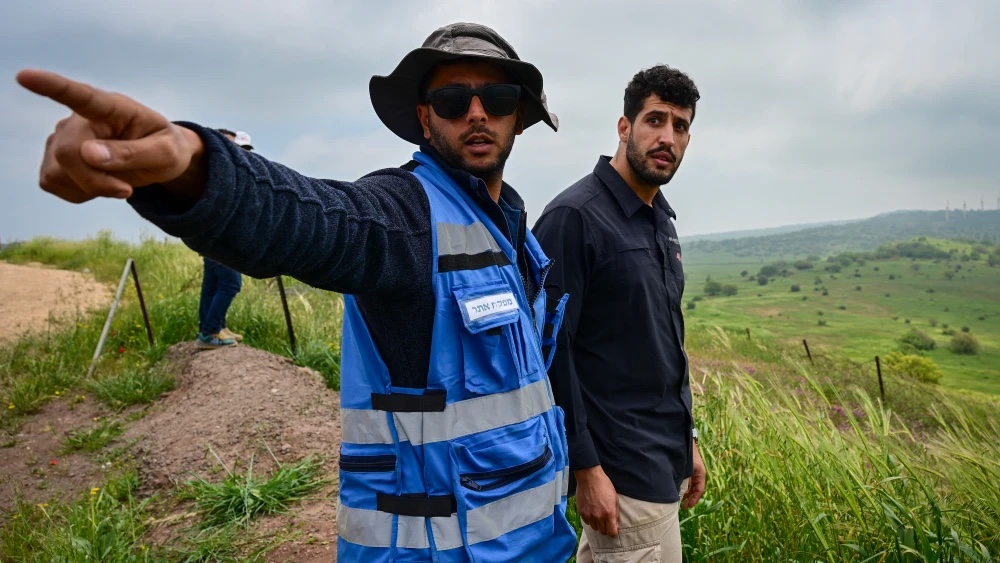
Israel can define the threat to its north, but Damascus remains too fractured, too fluid and too uncertain for a real agreement.
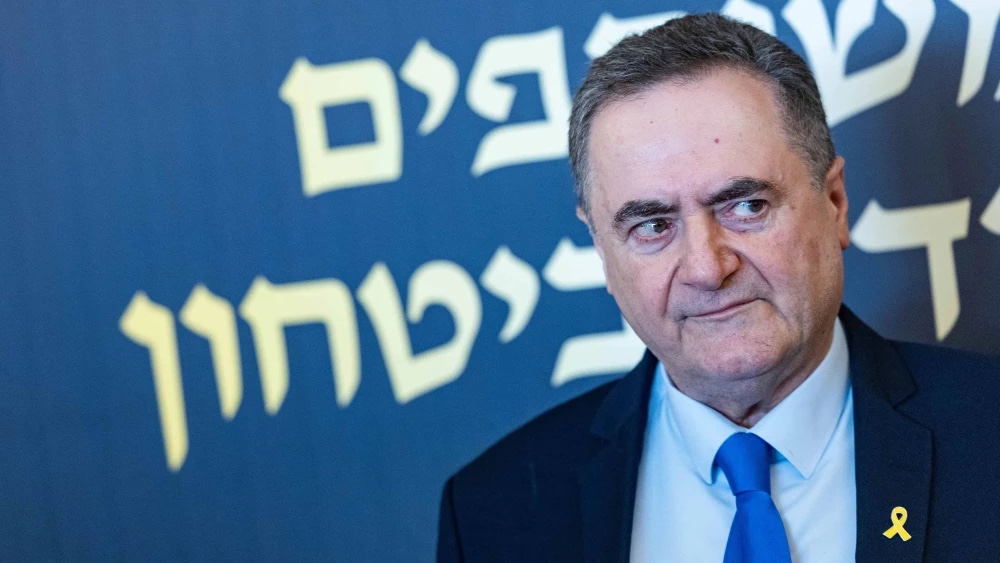
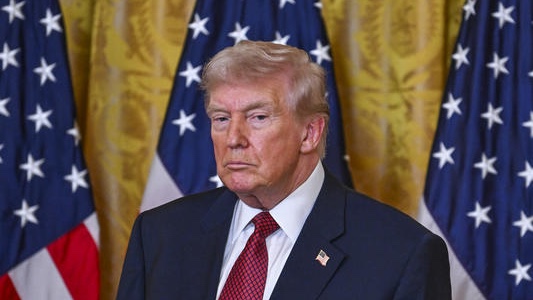
The remarks by Israel’s defense minister came hours after US President Donald Trump said he believed Jerusalem would withdraw from the country.
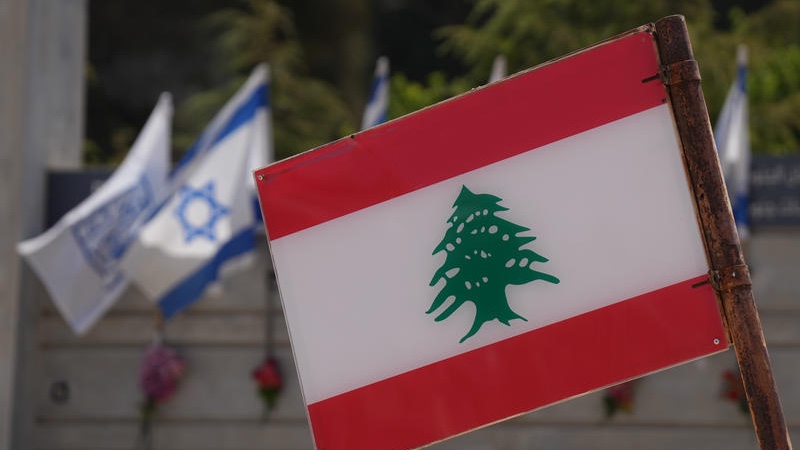
Jerusalem is preparing a comprehensive agreement for the day Lebanon can act as a sovereign state rather than an Iranian military platform.
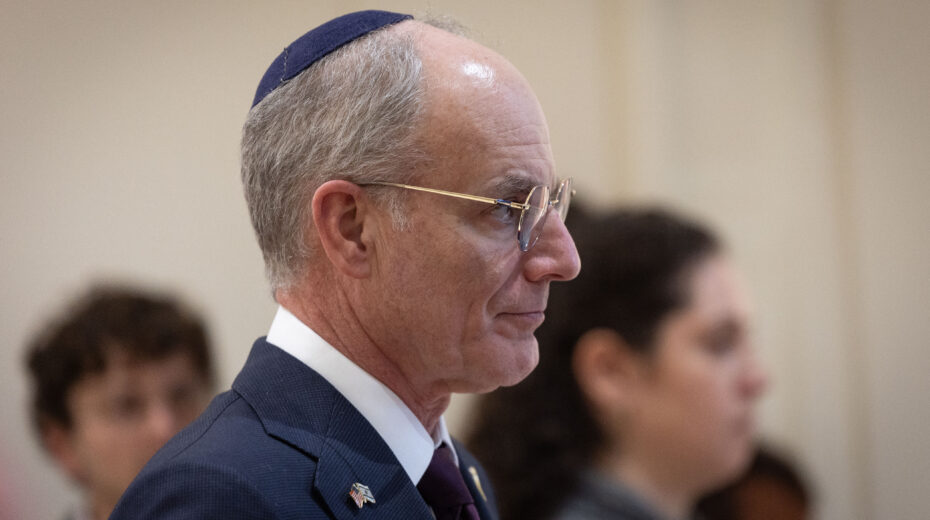
A precedent-setting deal allows the IDF to operate against Hezbollah, but the Lebanese army’s capacity is in doubt, say experts.
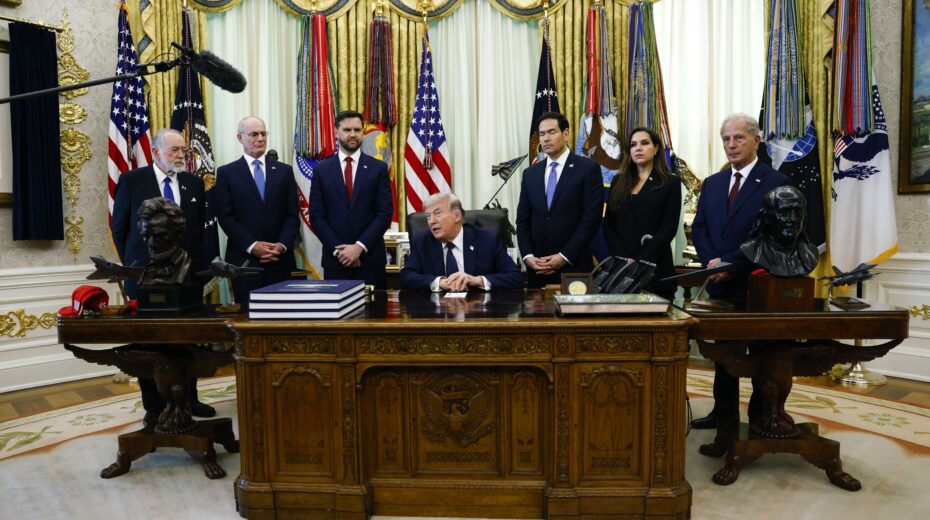
The Washington agreement offers a diplomatic road map for ending the conflict, but Hezbollah’s rejection and Lebanon’s fragile political balance threaten to derail its implementation before it begins.
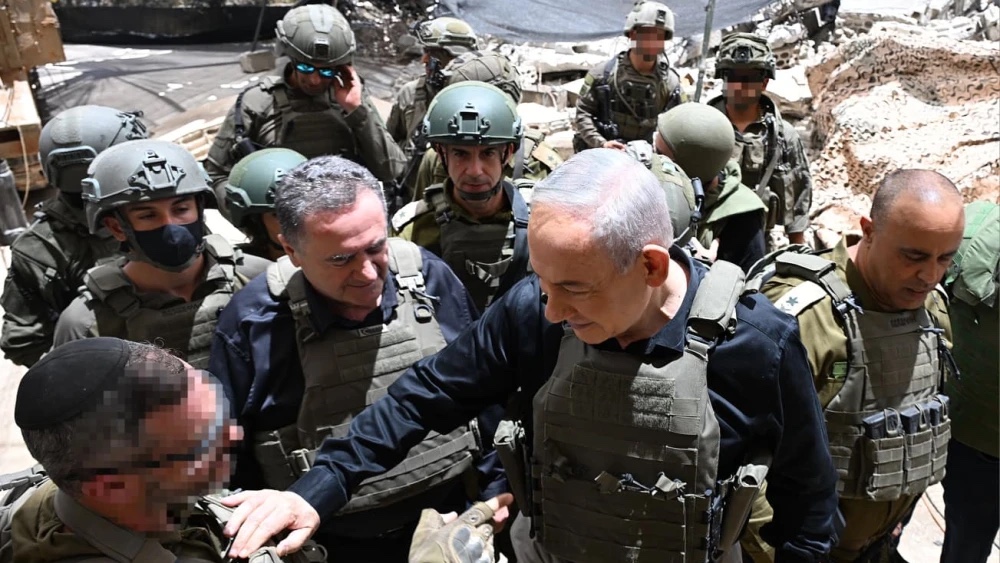
The Israeli leader warned the Israel-Lebanon agreement “won’t necessarily go unchallenged” by Tehran and its proxies.
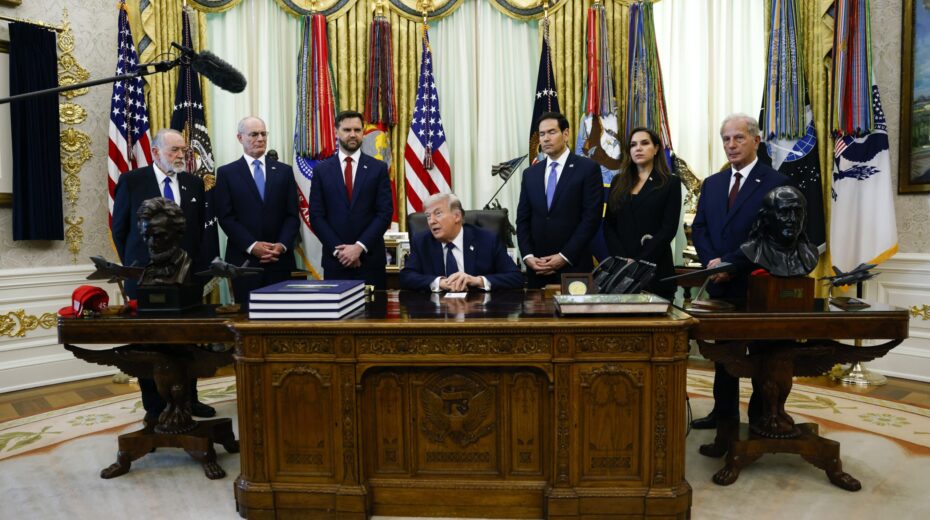
Why the new framework agreement between Israel and Lebanon is a diplomatic success, but not yet a security breakthrough.
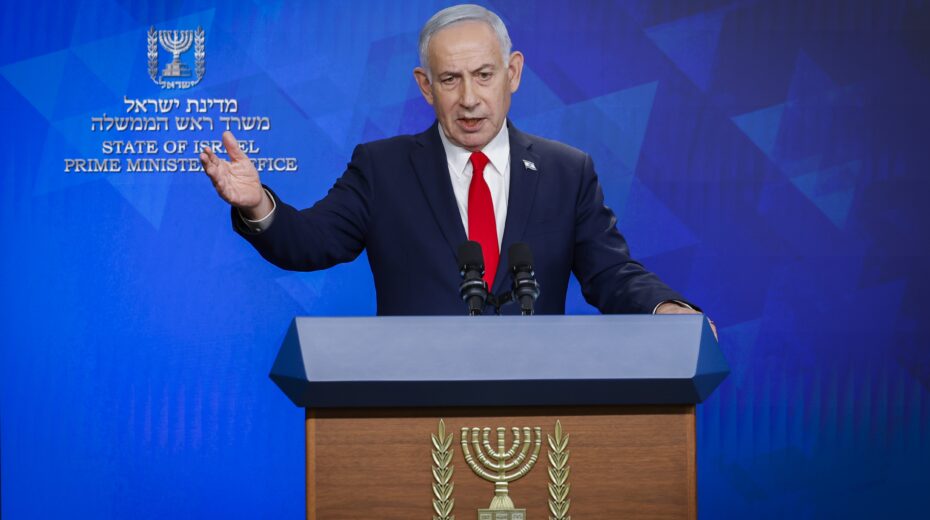
“The US and Lebanon have recognized Israel’s right to maintain the security zone inside Lebanon,” said the Israeli premier.