There are songs you listen to. And there are songs in which you find yourself.


Aviel born on a Kibbutz and grew up in Jerusalem in a family dedicated Zionism. After high school he served in the renown Givati Brigade and fought in the First Lebanon War. After his service he studied Music at the Jerusalem Academy of Music and Dance and later went on to study Telecommunication and Marketing.
Together with his wife Anat they raised four children and for the couple “family is above all!” They live on a Moshav in the hills around Jerusalem where Aviel served for years in a rescue team in the Judean desert and has a passion for the unique wilderness of Israel. He enjoys hiking, running, cooking, music, kitesurfing and travel. Family, work and faith help him keep balanced in mind, body and soul.
Aviel loves to uncover biblical truths that shine light on current political dramas in Israel and the region. “As is it written, ‘There is nothing new under the sun.’ But there is a lot of ancient wisdom and things that people forget, especially concerning Israel. Whether we like it or not, the Bible is the only mandate for Israel’s rebirth and existence today.”
There are songs you listen to. And there are songs in which you find yourself.

Sometimes a single word changes the way you look at the entire Bible.

While the international community is talking about a political fresh start in the Gaza Strip, Israel’s security apparatus is warning against a dangerous misconception.

Words often reveal more than we realize at first glance. Sometimes a single Hebrew word opens a window to surprising biblical symbolism.
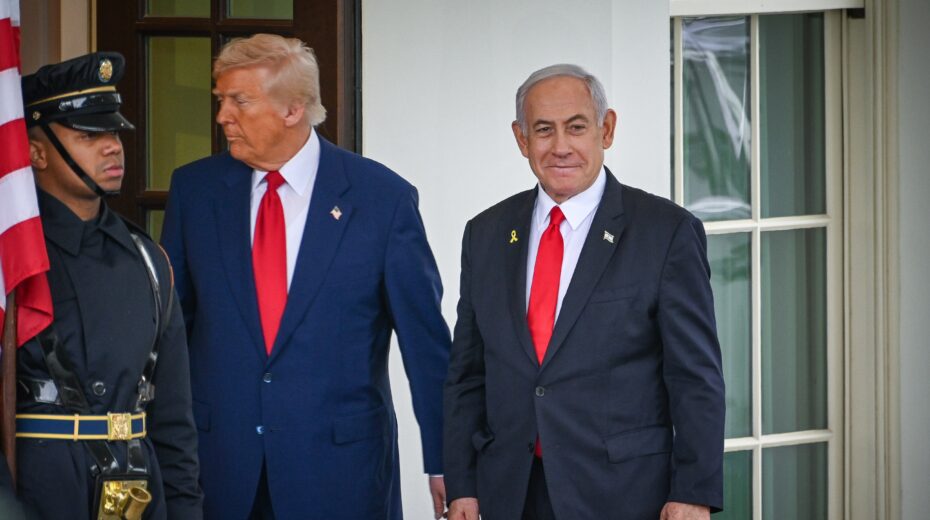
The war against Iran threatens to become far more than just another conflict in the Middle East for Washington.

The year 1948 became a curse for some and a blessing for others. This is precisely the core of the Israeli-Palestinian conflict.

How was it that Christians, who share the same Bible as the Jews, were able to persecute, exclude, and hate the Jews for centuries?

Why is Europe suddenly defending the very border security it has been accusing Israel of for years?

New findings about Flavius Josephus.
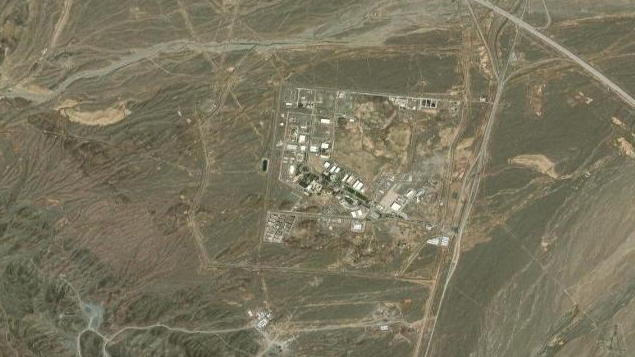
Five months of war, billions in costs, thousands of airstrikes, and yet none of the actual war aims have been achieved. The Iranian nuclear program has neither been decisively shut down, nor has the mullah regime been forced to capitulate or enter into a new nuclear agreement.