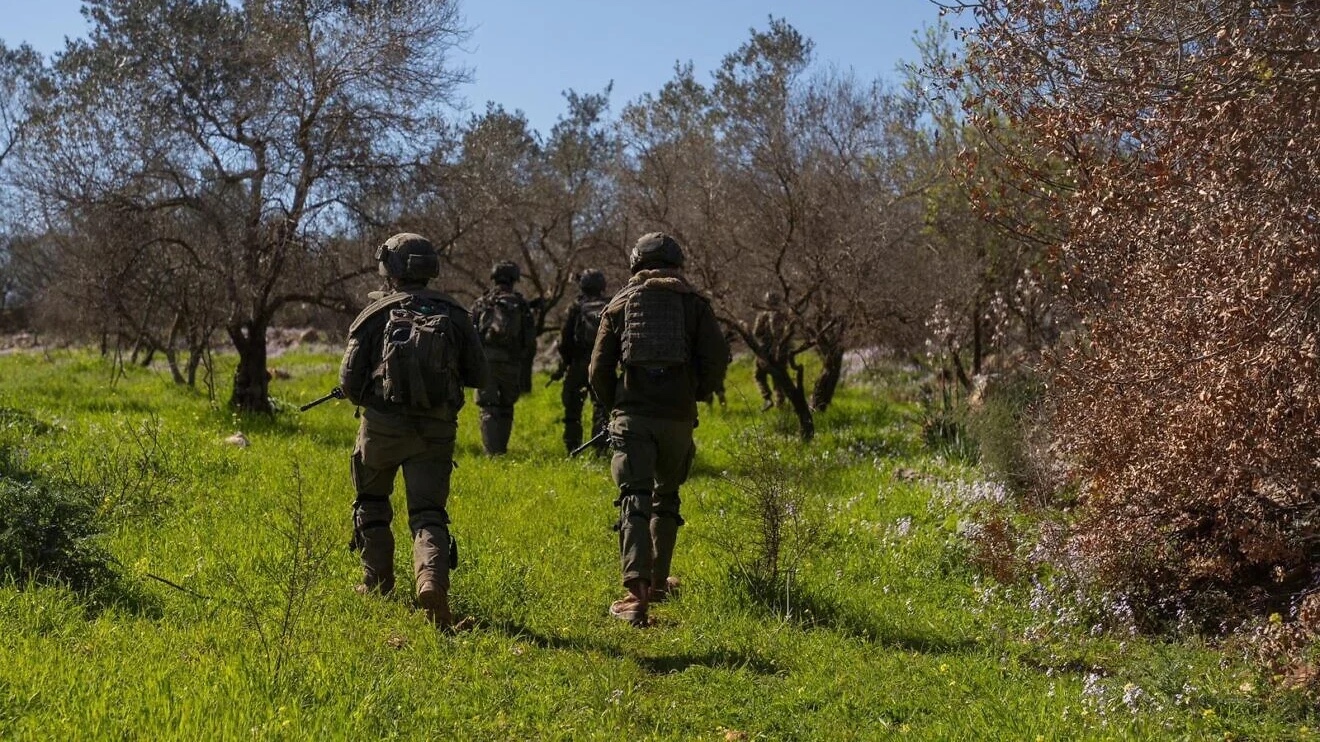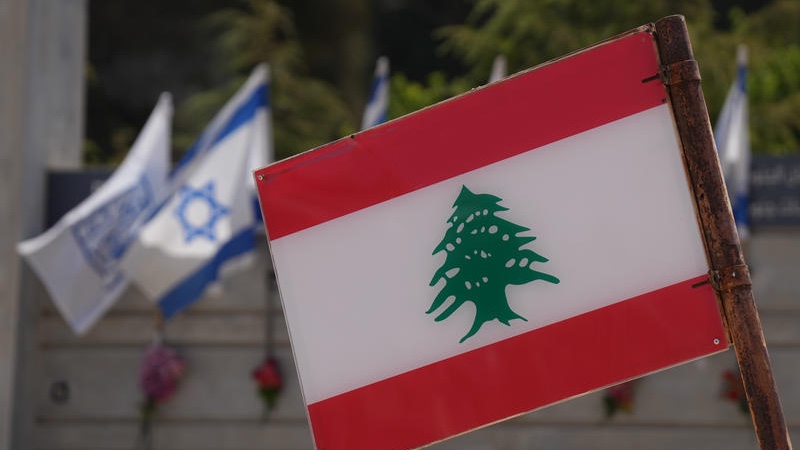

Israel is not waiting for Lebanon or even Washington to get their act together. Jerusalem is planning now for the day after Hezbollah, designing a peace framework that will put an end to decades of conflict. And that represents a refreshing departure from Israel’s typical reactionary posture.
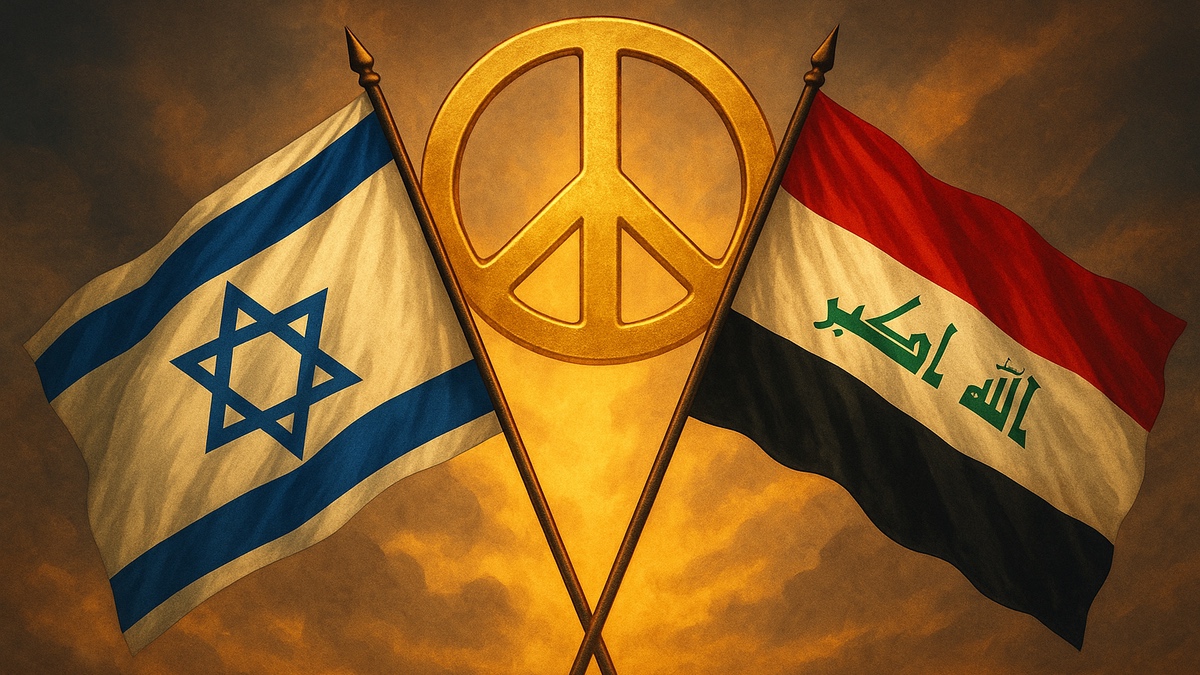
Israeli and Lebanese representatives are expected to meet in Rome on July 14 and 15 to begin work on what could eventually become a comprehensive peace agreement between the two countries. The immediate objective is not a ceremonial declaration, but the construction of a practical diplomatic architecture that can be activated when Hezbollah no longer controls Lebanon’s strategic direction.
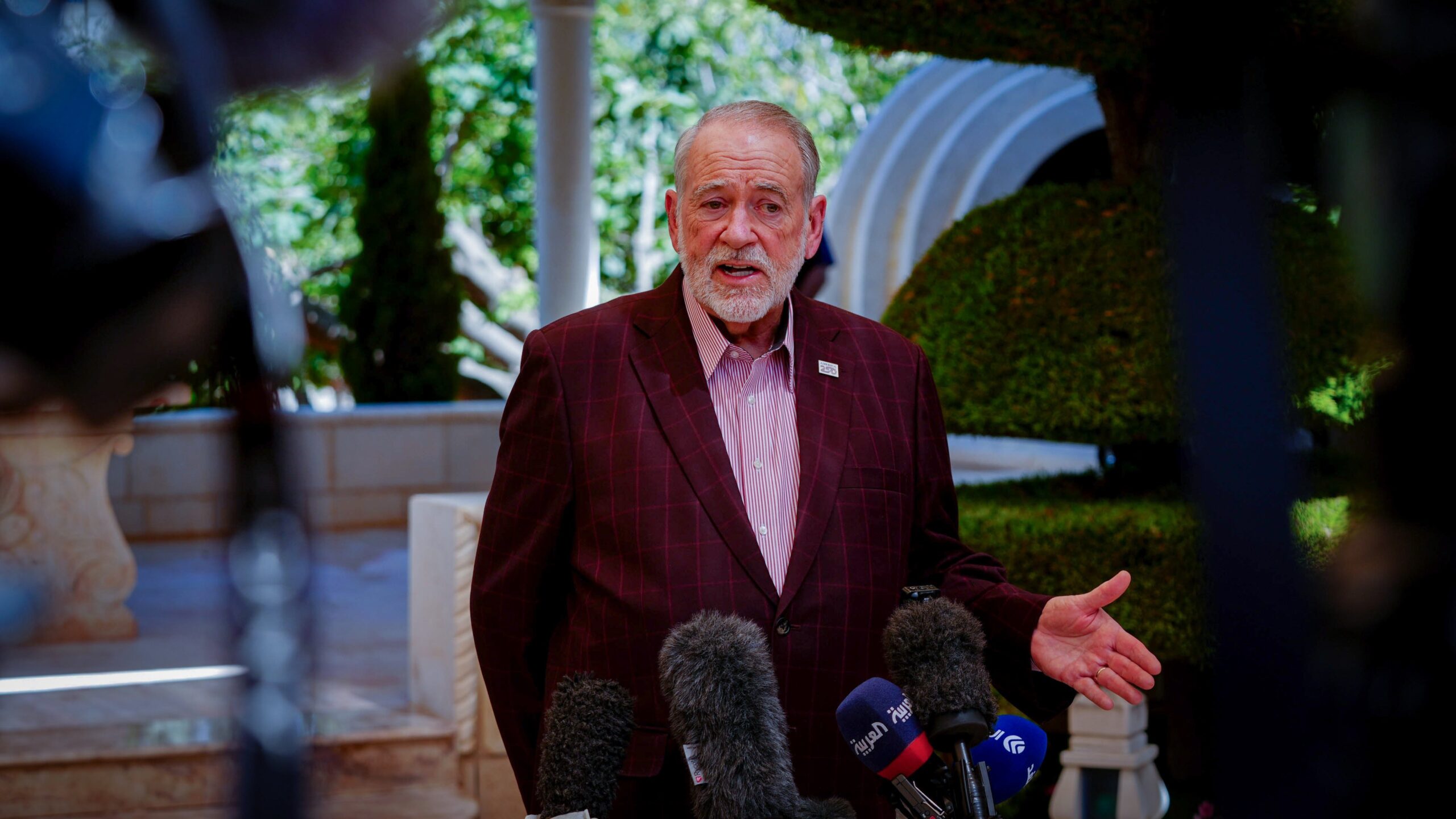
Israeli Ambassador to the United States Yechiel Leiter described the initiative as a full agreement covering the entire relationship: borders, security, trade, visas, embassies, and tourism.
Israeli Ambassador @yechielleiter says Israel is pushing to draft a full Israel-Lebanon peace agreement now and “put it on the shelf,” so it is ready the moment Hezbollah is removed from the equation.
Referring to the July 14-15 talks in Rome, he said the vision includes… pic.twitter.com/2isiGEntyh
— Or Shaked (@Or_Shaked) July 6, 2026
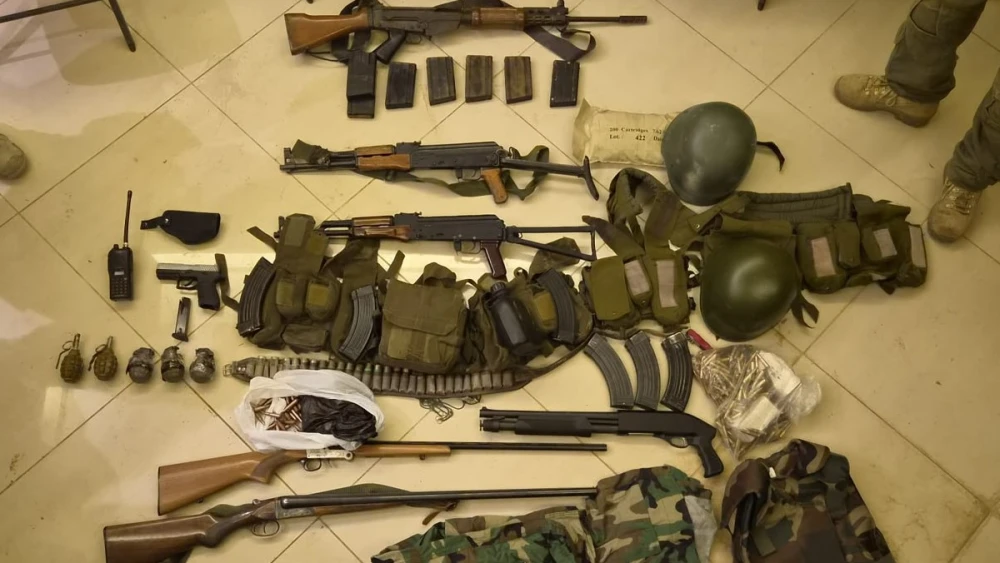
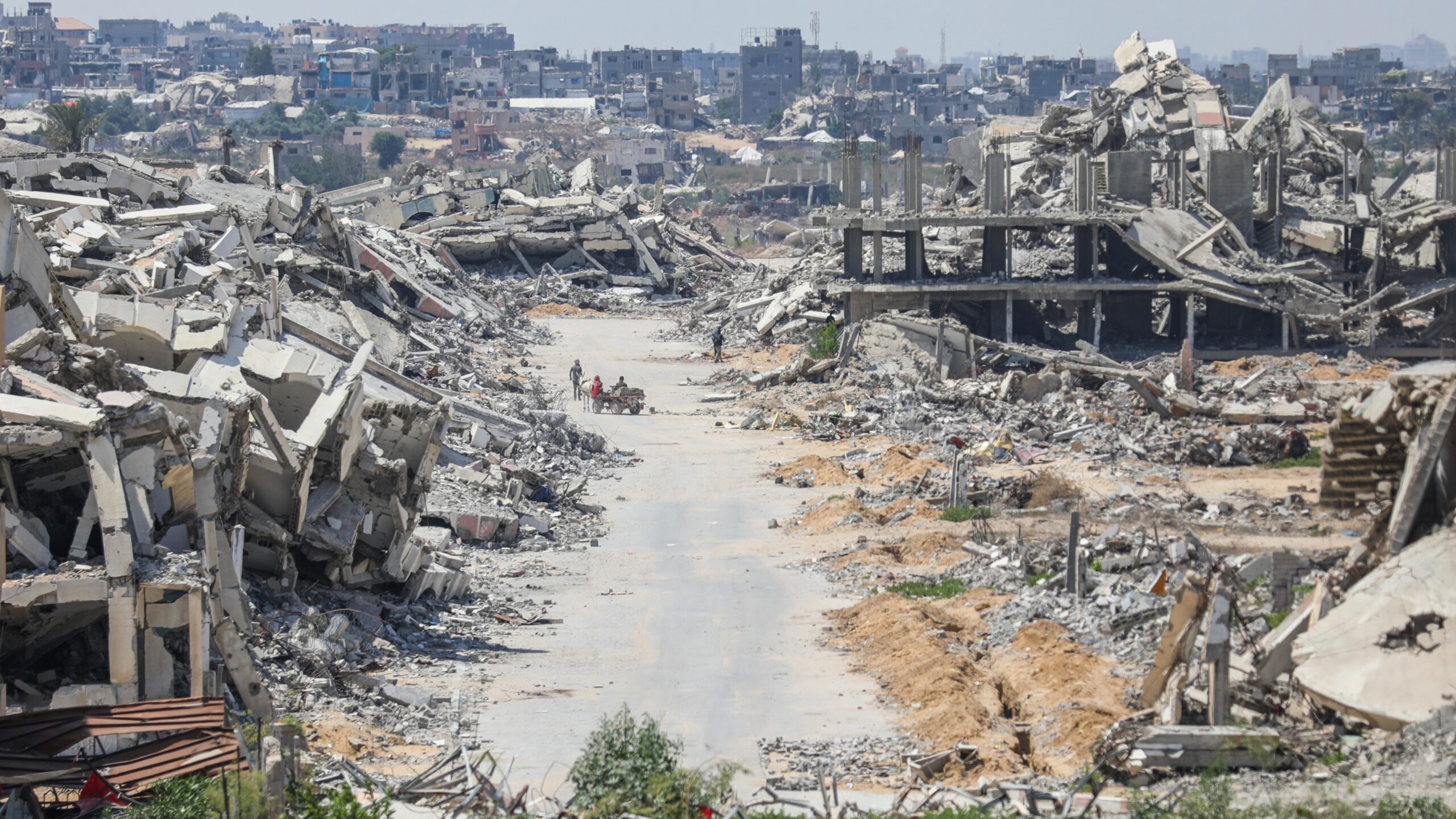
For decades, Lebanon has possessed the formal institutions of sovereignty while Hezbollah has exercised the power that sovereignty requires. The Iranian-backed terrorist organization has maintained its own army, dictated the terms of confrontation with Israel, and embedded Lebanon inside Tehran’s regional war.
The result has been predictable. Lebanon bears the consequences of decisions its elected government often cannot prevent.
A genuine peace agreement would therefore require more than diplomatic language. A piece of paper simply isn’t going to suffice. It requires the removal of the armed structure that has made normal state-to-state relations impossible.
The latest US-brokered framework reportedly includes provisions addressing Hezbollah’s disarmament. Working groups are expected to consider unresolved border issues and the security requirements of both countries.
The model is closer to the Abraham Accords than to another temporary ceasefire. The goal is to move beyond conflict management to recognition, economic exchange, and formal diplomatic relations.
There is, of course, a substantial distance between drafting an agreement and implementing one. Hezbollah remains armed, Iran remains invested, and Lebanon’s political system remains fragile.
Hezbollah has openly threatened civil war, and there are serious questions over whether Lebanese authorities have the will to take on the terror militia.
But preparing the agreement now is both strategically sound and gives Israel the initiative.
Want more news from Israel?
Click Here to sign up for our FREE daily email updates