Promised Land goes to the polls amid further threats of war.
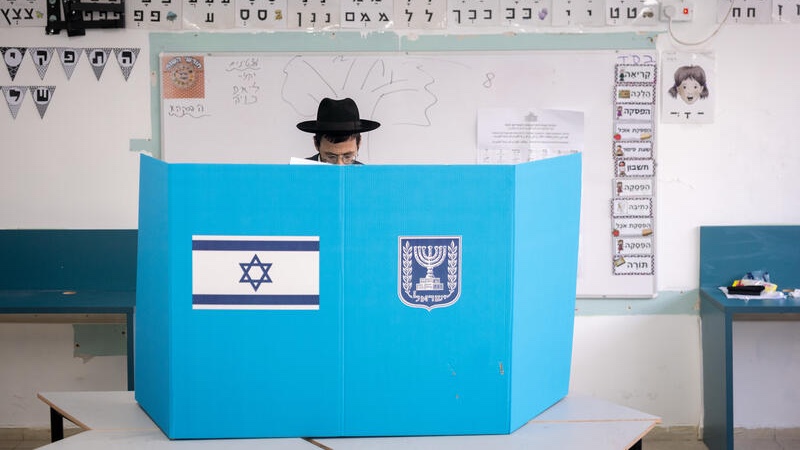
Promised Land goes to the polls amid further threats of war.
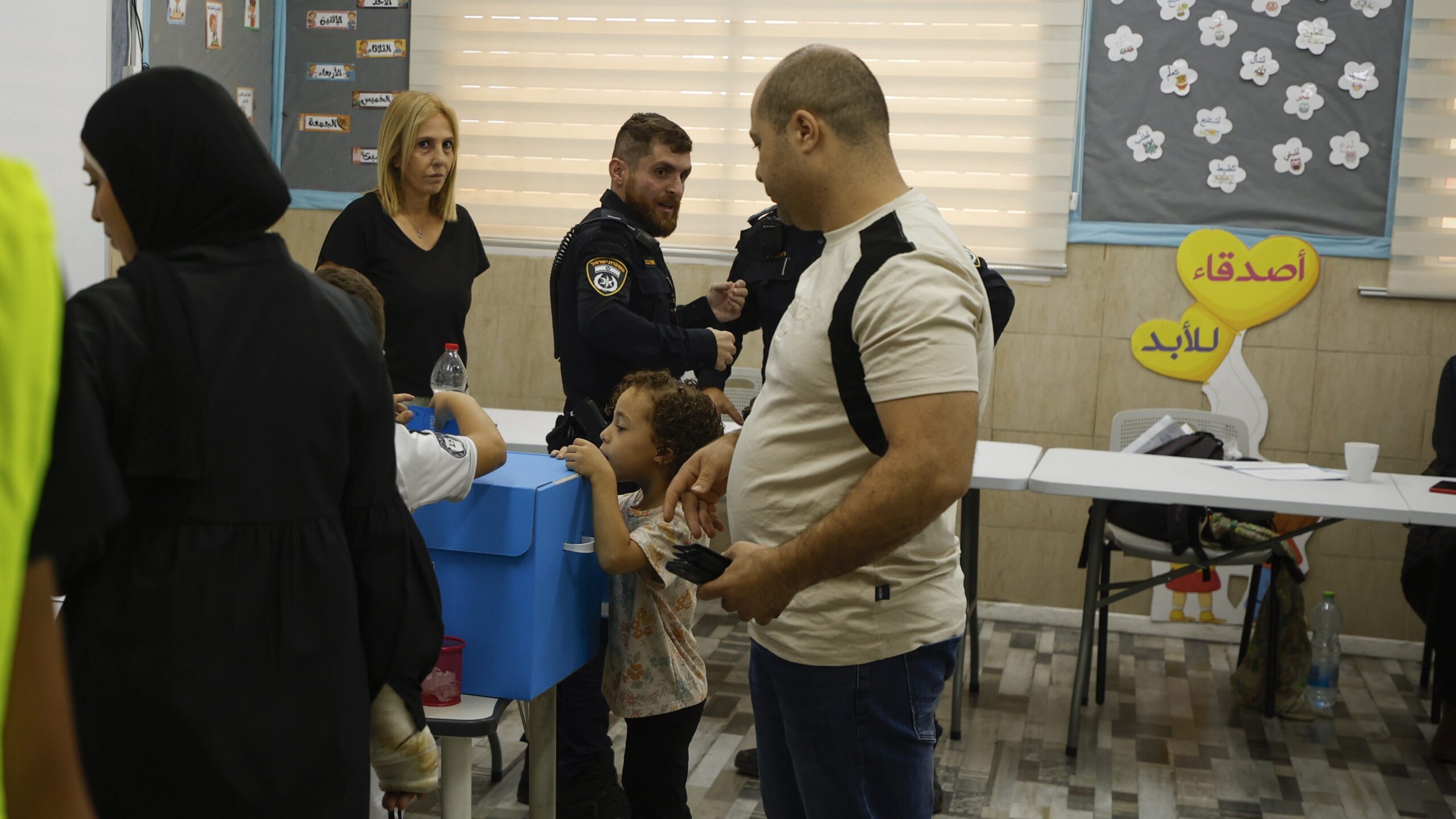
While millions of Arabs follow Israel’s elections, a democratic transfer of power remains out of reach for them in many of their own countries.
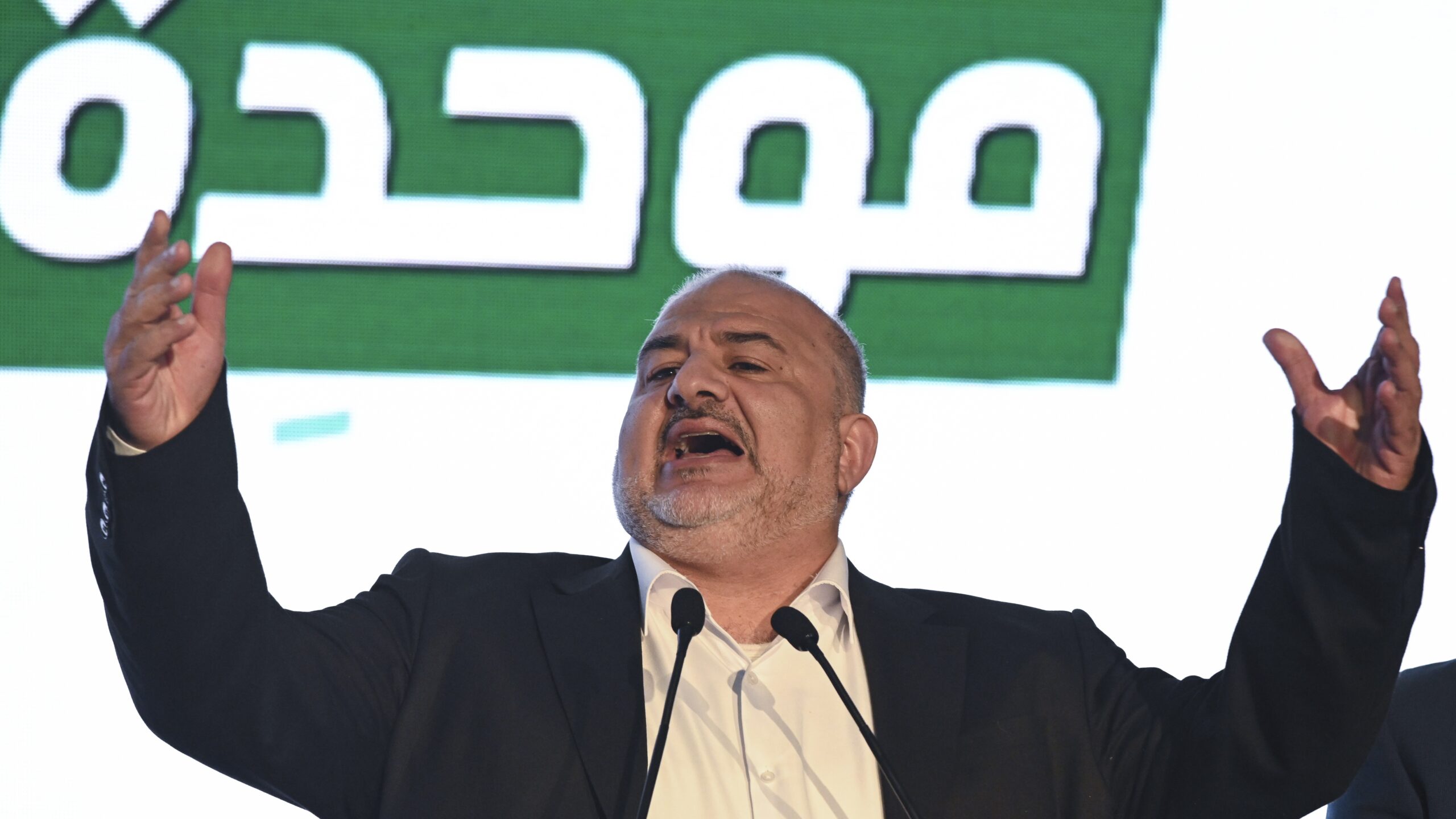
Israel’s dangerous political divide makes the Arab parties the decisive power factor – with possible consequences for the future of the Jewish state.

Israel’s president will begin consultations on government formation this week. He is urging party representatives to accept the election results and prevent another election from taking place.

The sector’s record turnout reflects a desire to belong to Israeli society, says journalist Khaled Abu Toameh.
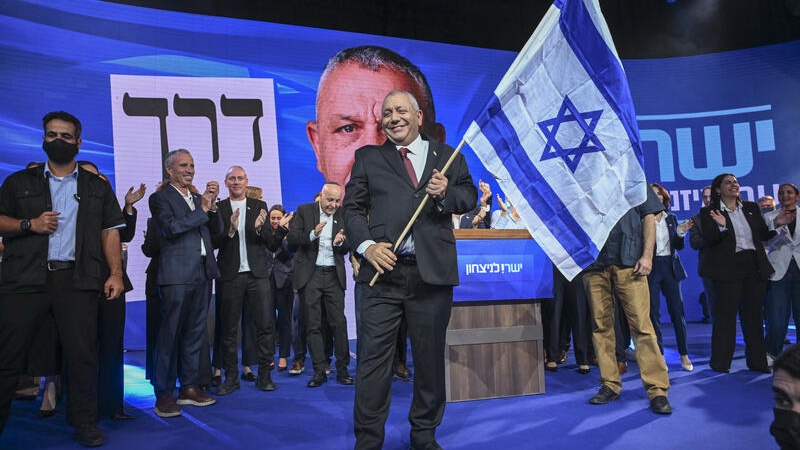
Netanyahu can poach a partner. The opposition can lean on the Arab parties. Trump can lean on Eisenkot. Or someone can choose unity. If everyone keeps their word instead, Netanyahu stays on as caretaker.
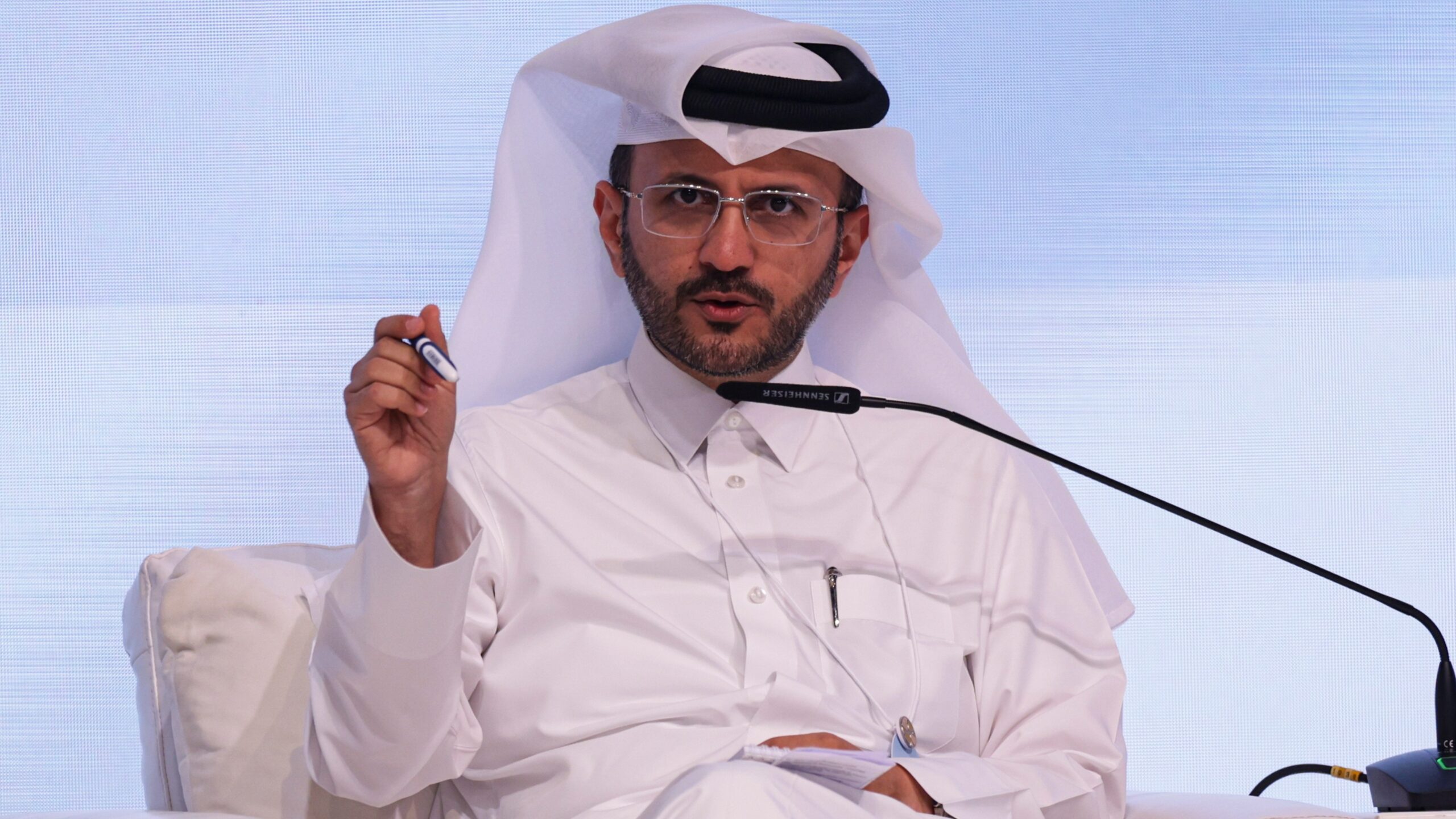
The letter does not name the foreign actor, but Israel’s Channel 12 News reported that the suspicions concern Qatar.
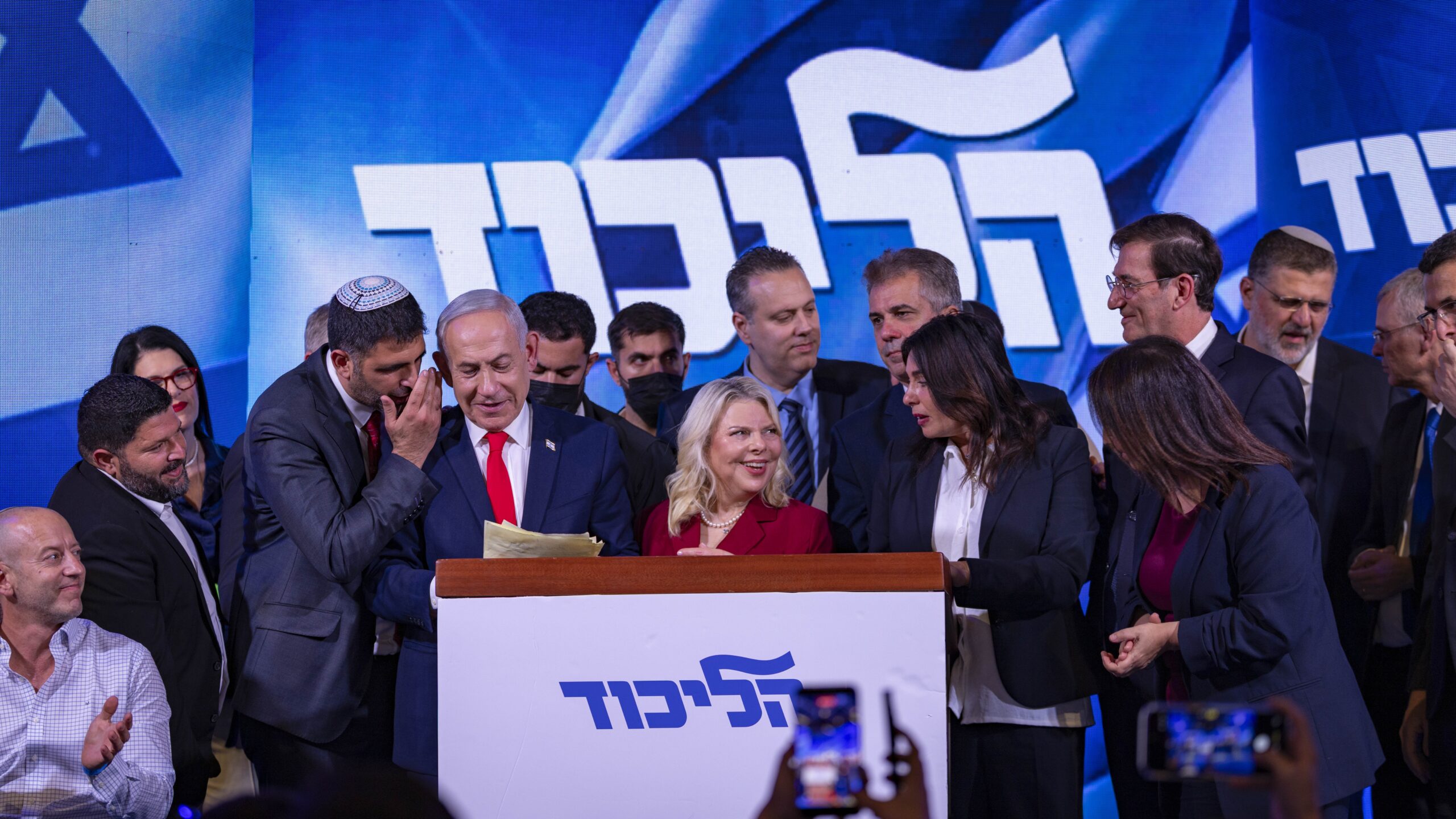
After counting more than 91 percent of the votes, the governing bloc stands at 53 seats, Eisenkot’s camp at 48. The Arab parties together account for 19 seats.
Those who calculate the candidate numbers may have advanced mathematics, yet too little social understanding.
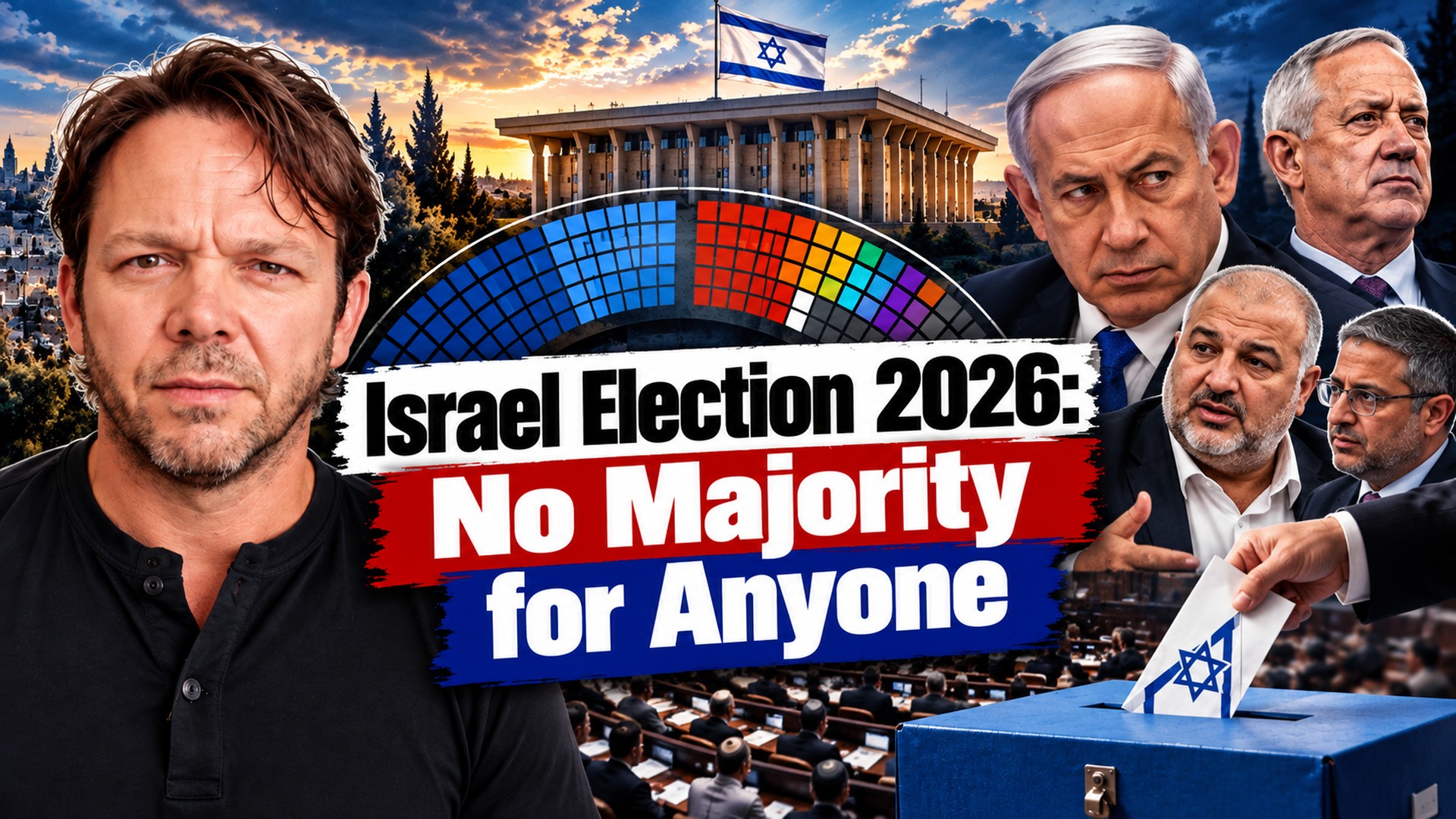
The polls predicted change, but the count left Netanyahu weakened, the opposition stalled, and Arab parties holding record power.