Negotiations led by a compromised envoy for an administration that remains divided over stopping Tehran’s nuclear ambitions aren’t likely to succeed.
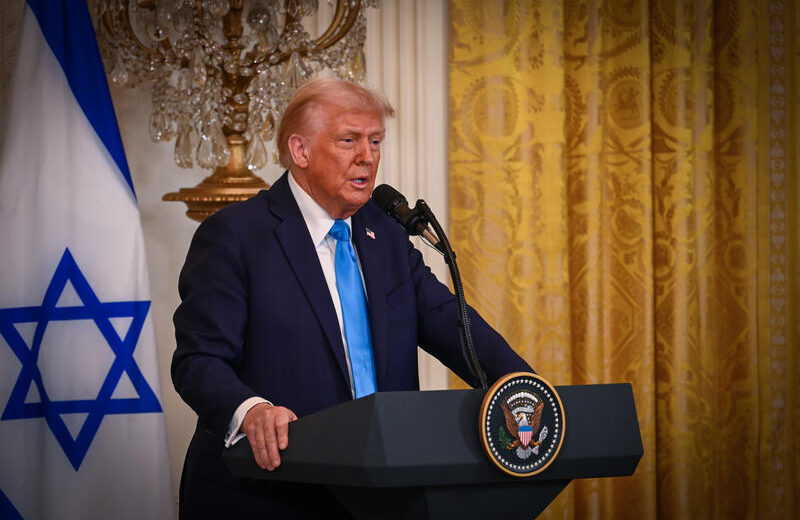
Negotiations led by a compromised envoy for an administration that remains divided over stopping Tehran’s nuclear ambitions aren’t likely to succeed.

The US president’s decision came “after months of internal debate” about whether to pursue a military or diplomatic option.

After the first round of nuclear talks between the US and Iran, Israeli observers warn about the dangers of open-ended negotiations.

“Three hundred weapons. Only six hit. Nobody died. That’s defending our allies. We got to be part of something meaningful.”

As the Trump admin talks tough ahead of direct talks with Iran, Israel fears a bad deal could be looming.

If Iran doesn’t agree to dismantle its nuclear program, the US will “absolutely” turn to a military option, the president said.
Both the US and Israeli leaders warn that if the ayatollahs don’t drop their nuclear program, “it will be a very bad day for Iran.”

Trump’s general support for Israel and bellicose warnings to Tehran suggest he is far more likely than any of his predecessors to not stop the Jewish state from doing whatever it feels is necessary.

Tehran threatens missile strikes after Trump issues a nuclear ultimatum and deploys B-2 bombers.
“What’s needed now is an end to the war and an end to the threats of Iran and its proxies. From there, the path is paved (albeit with many bumps and potholes) for a new Middle East.”