Between military strength and dependence, there is a growing divide between Jerusalem’s strategic objectives and Washington’s political calculations.
Between military strength and dependence, there is a growing divide between Jerusalem’s strategic objectives and Washington’s political calculations.
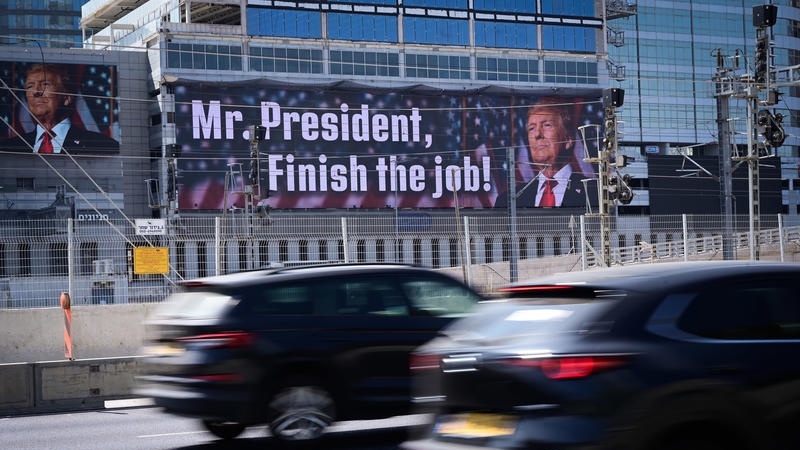
Iran may be losing on every conventional battlefield, but unless the regime is finished decisively, survival itself will be sold as victory—and the cost will reach far beyond the Middle East.
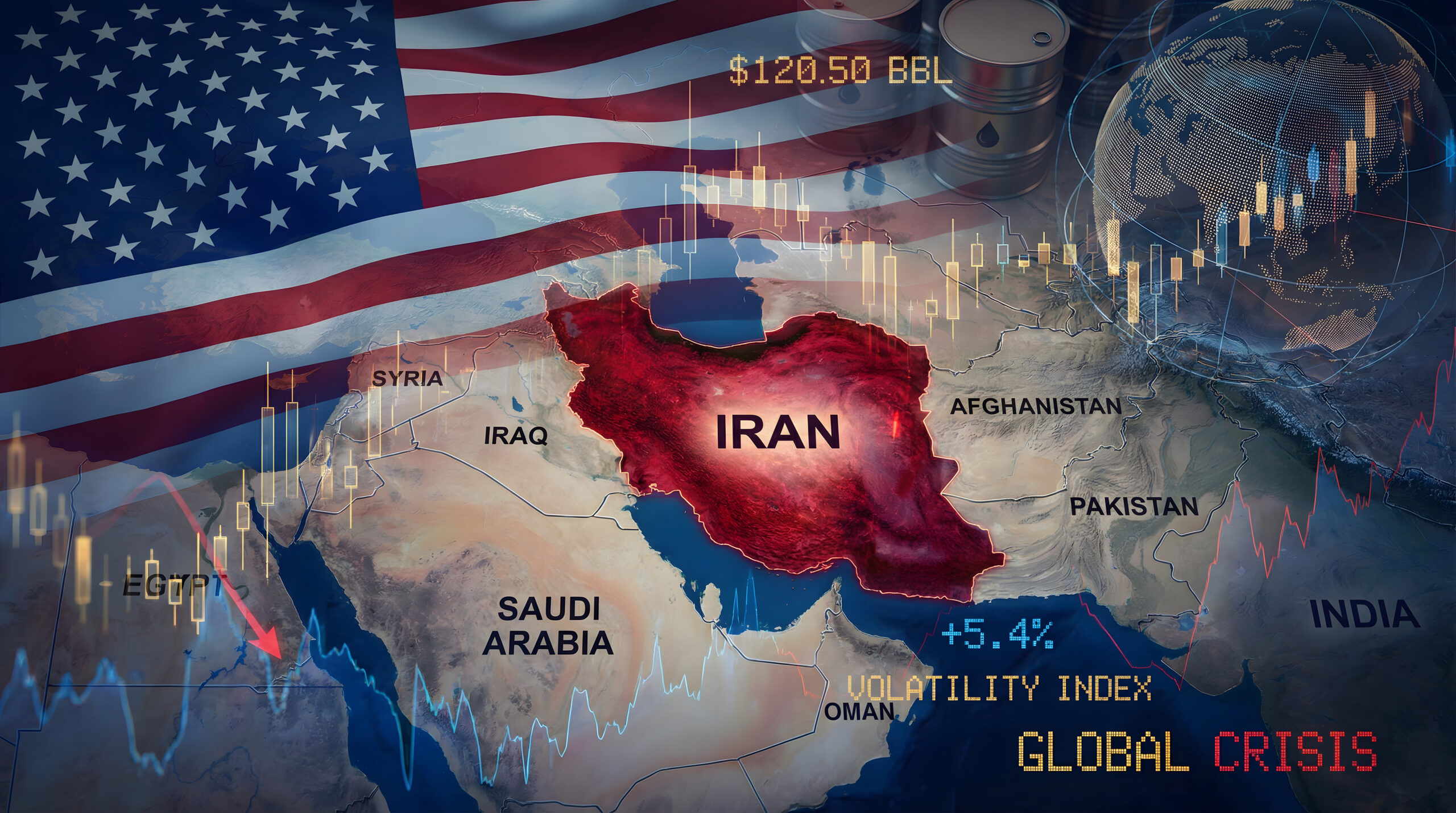
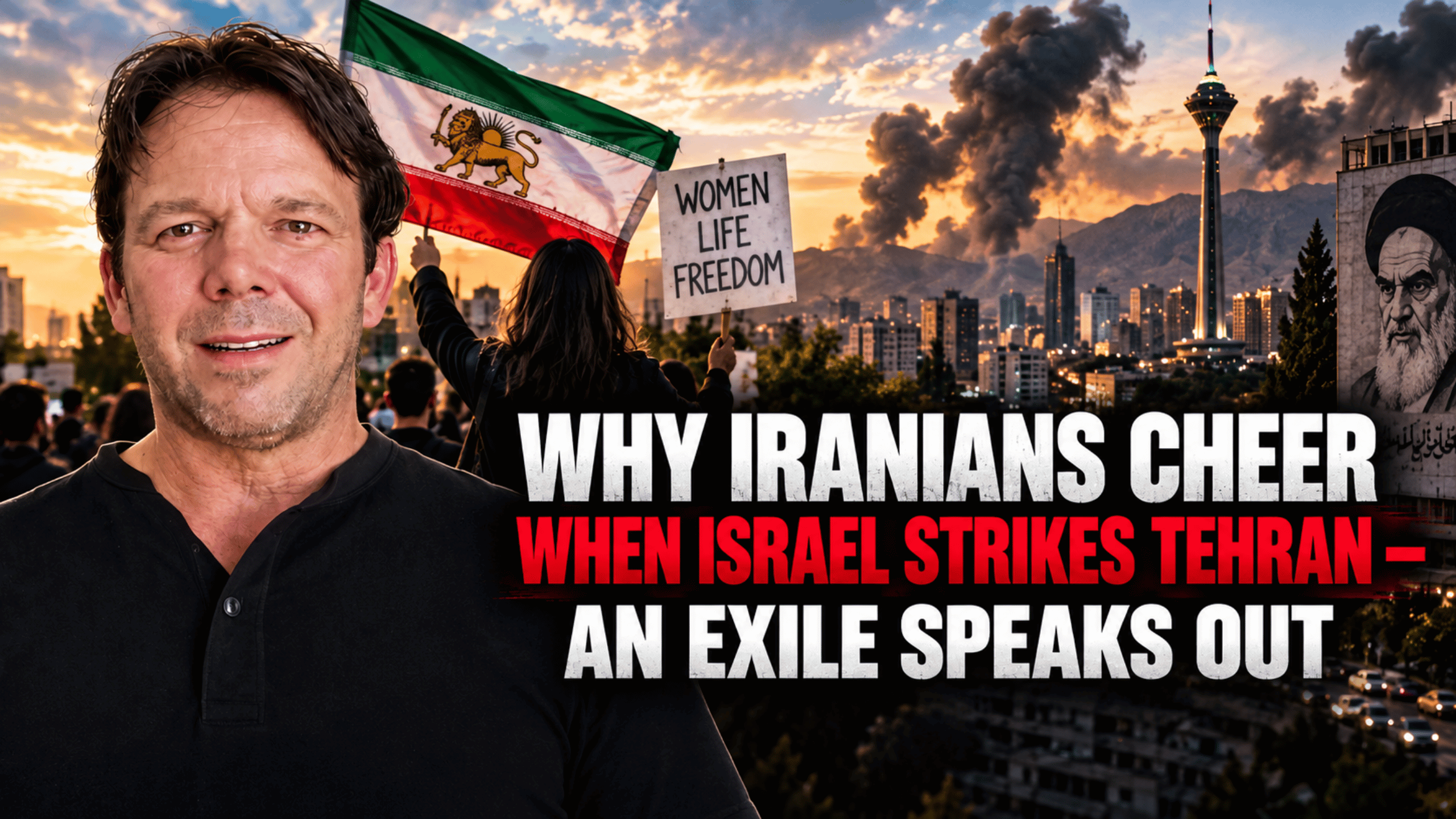
Operation Epic Fury was not simply about defending Israel. It was about reversing a regional collapse in deterrence that convinced America’s Gulf allies they could no longer trust Washington to hold Iran in check.
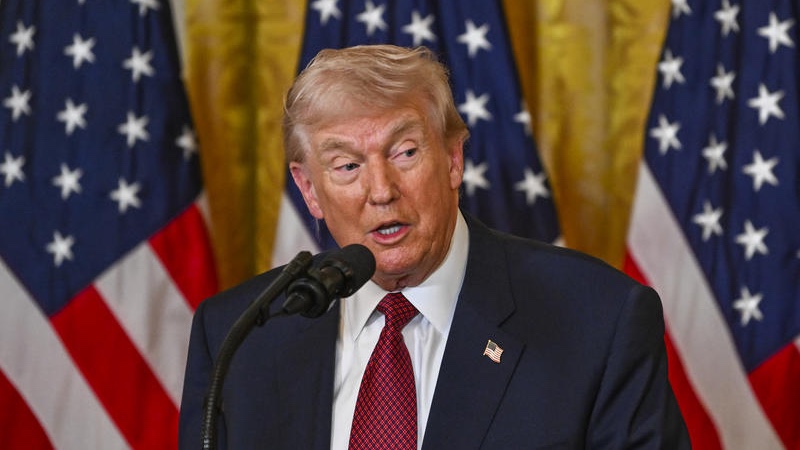
“We’ve won this,” the US president said. “This war has been won.”
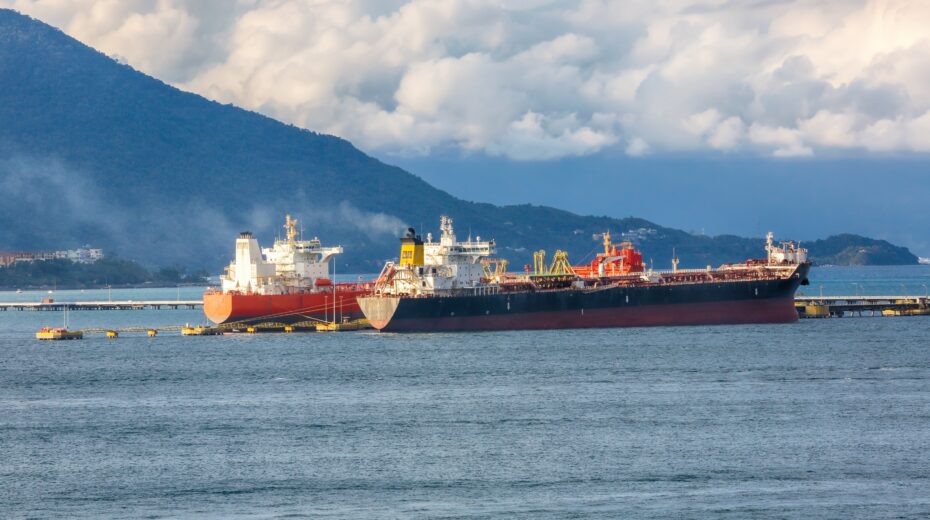
“If the war continues on schedule, more or less six to eight weeks, then the U.S. has succeeded beyond the dreams of war planners,” he said. “People don’t appreciate just how great this war is going.”
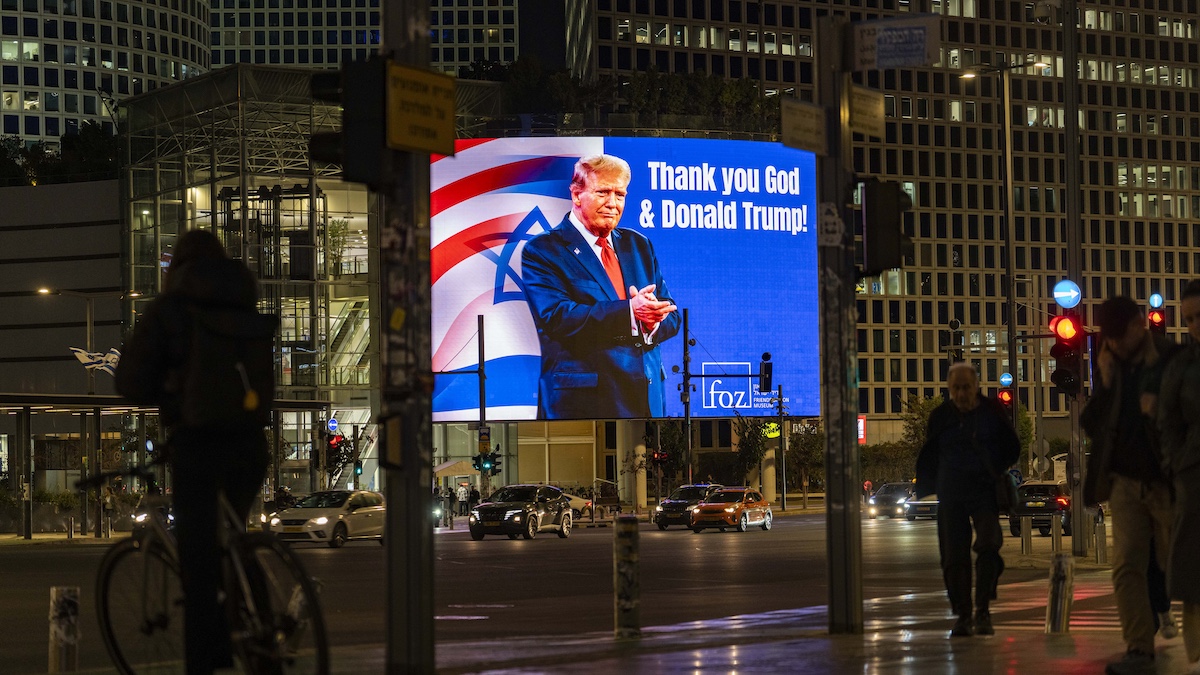
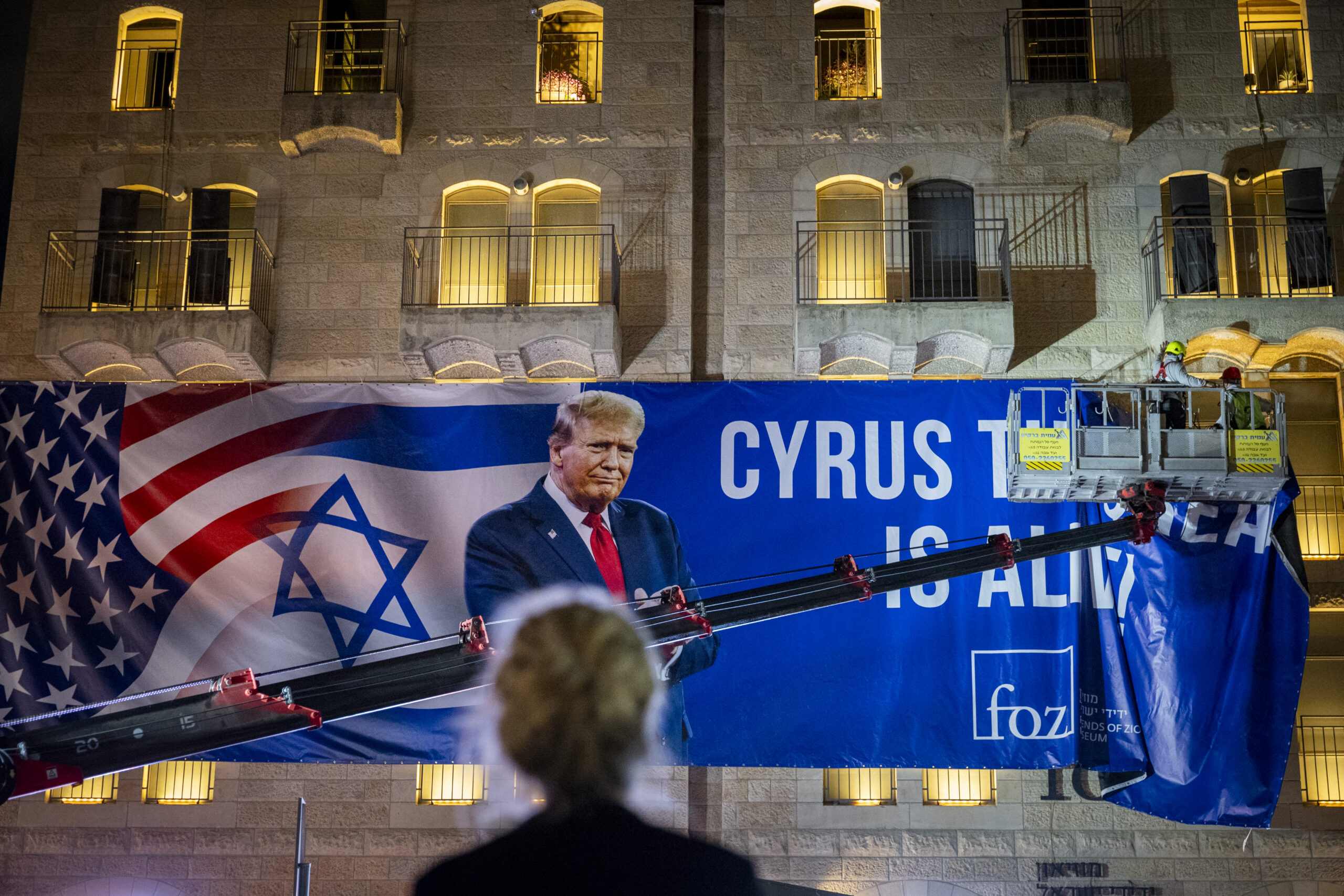
Love him or hate him, Donald Trump is not a normal politician. He is a force of nature.

Confidence in the president soared to 75%, as support for strikes in Iran topped 80% in Israel and 68% among US Jews.
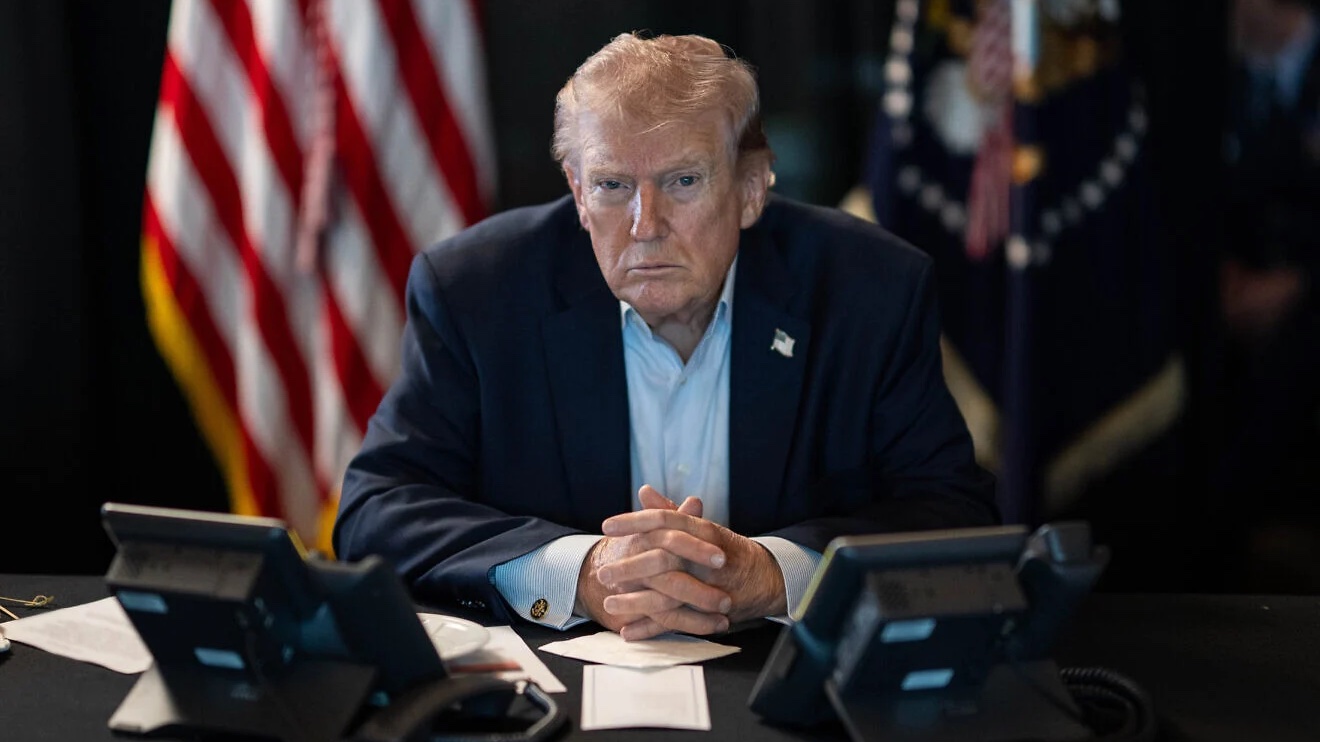
“I might have forced their hand,” the president told reporters at the White House.
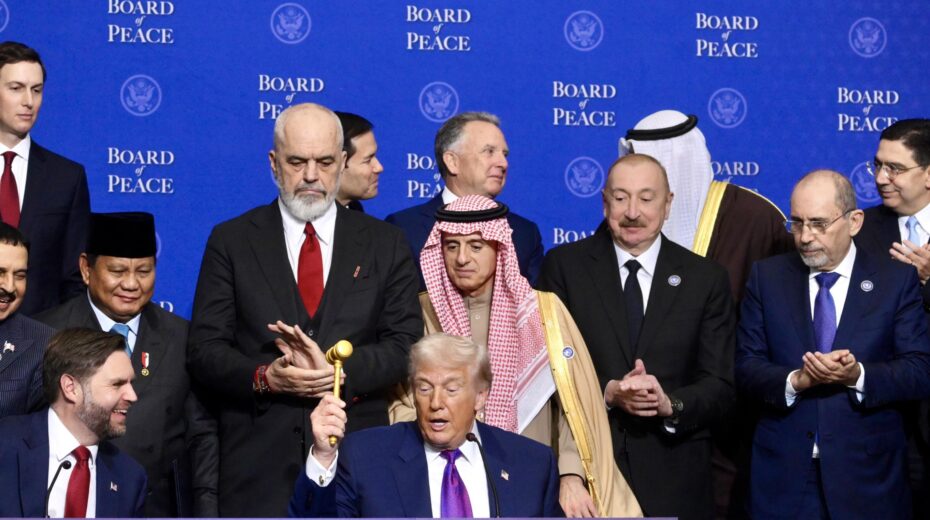
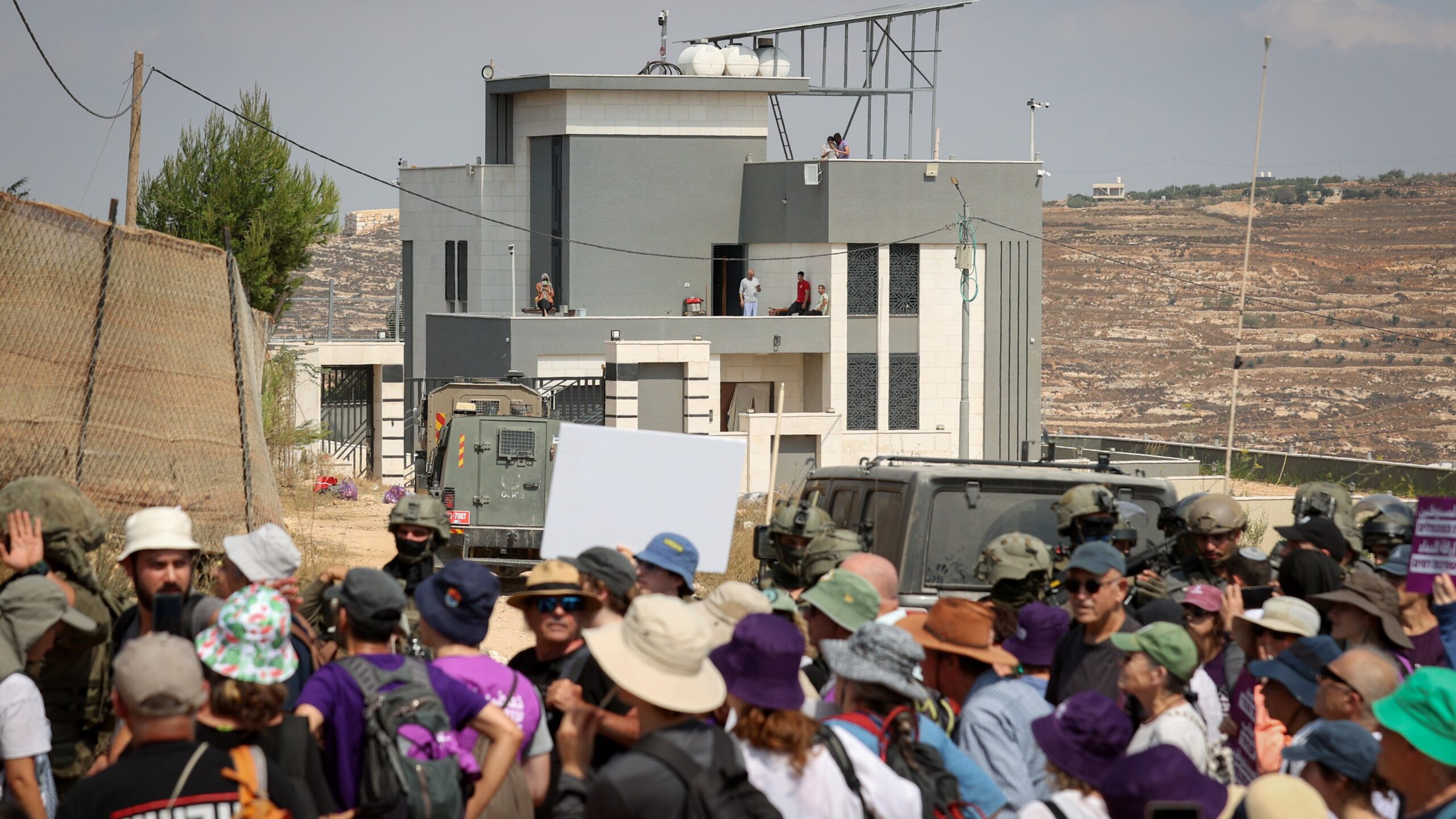
There is growing skepticism in Jerusalem that Israel’s clear demands for disarmament will be part of the new reality in Gaza.
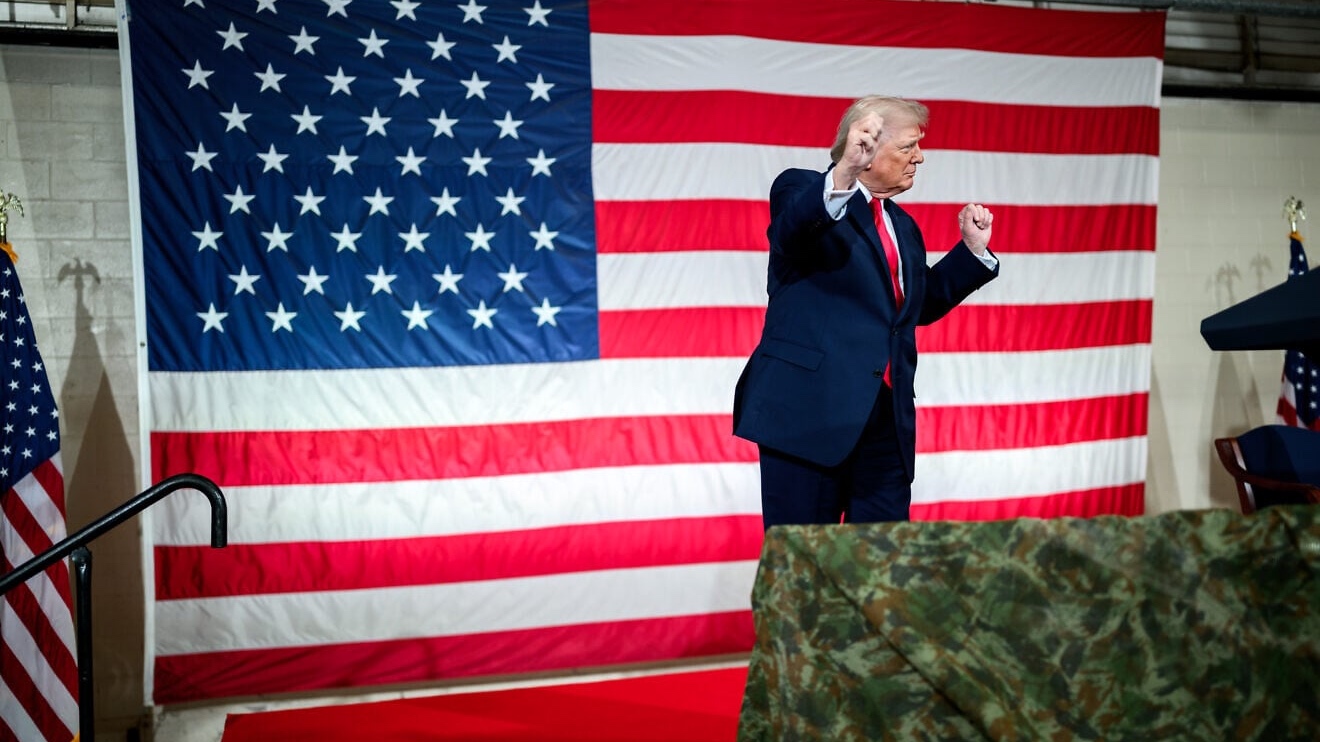
Hamas, Hezbollah, Syria, Iran: As the region veers toward war and opportunities are lost, chaos is starting to run the bases.