After years of Iranian proxy warfare and diplomatic constraints, Israel’s latest actions signal a determination to defend itself regardless of Tehran’s conditions.
After years of Iranian proxy warfare and diplomatic constraints, Israel’s latest actions signal a determination to defend itself regardless of Tehran’s conditions.
While Washington is pushing for de-escalation, Israel is preparing for several more days of fighting.
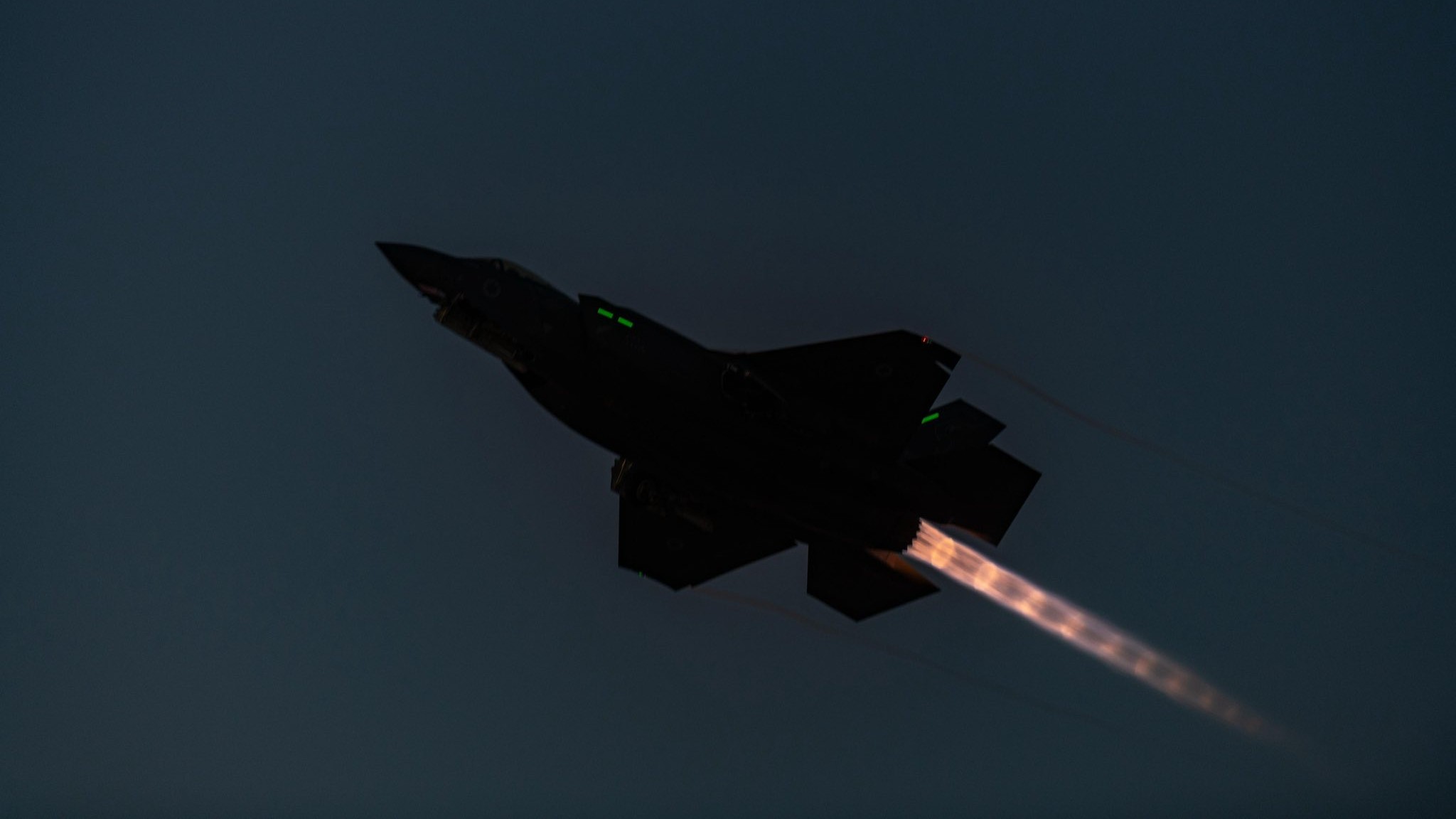
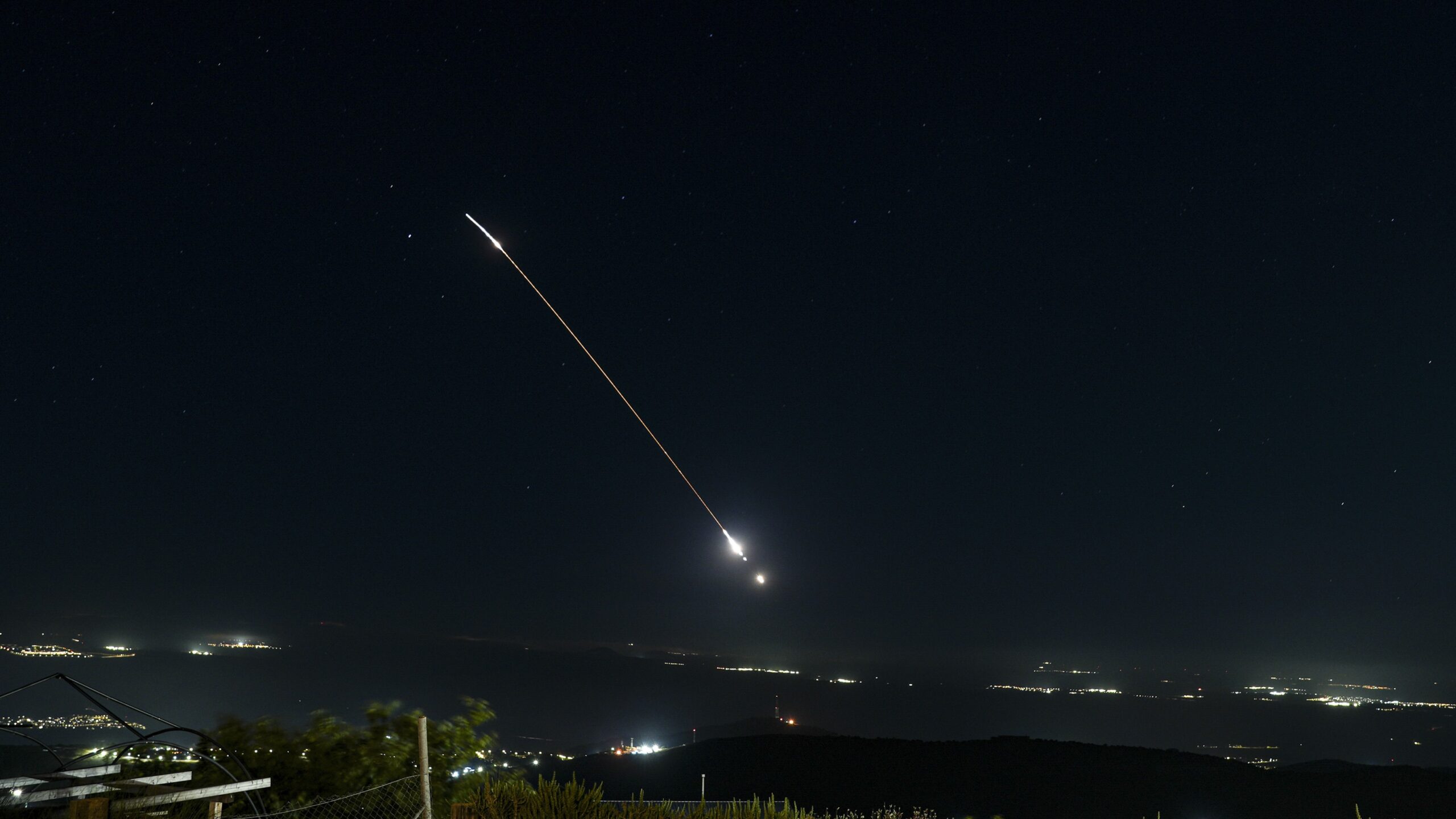
The air force attacks military facilities in western and central Iran after Tehran once again fired rockets at Israel.

The world balance of power is not decided in its wide open spaces, but at its narrow passages.

The Israel Defense Forces said the projectiles were intercepted or struck open areas.
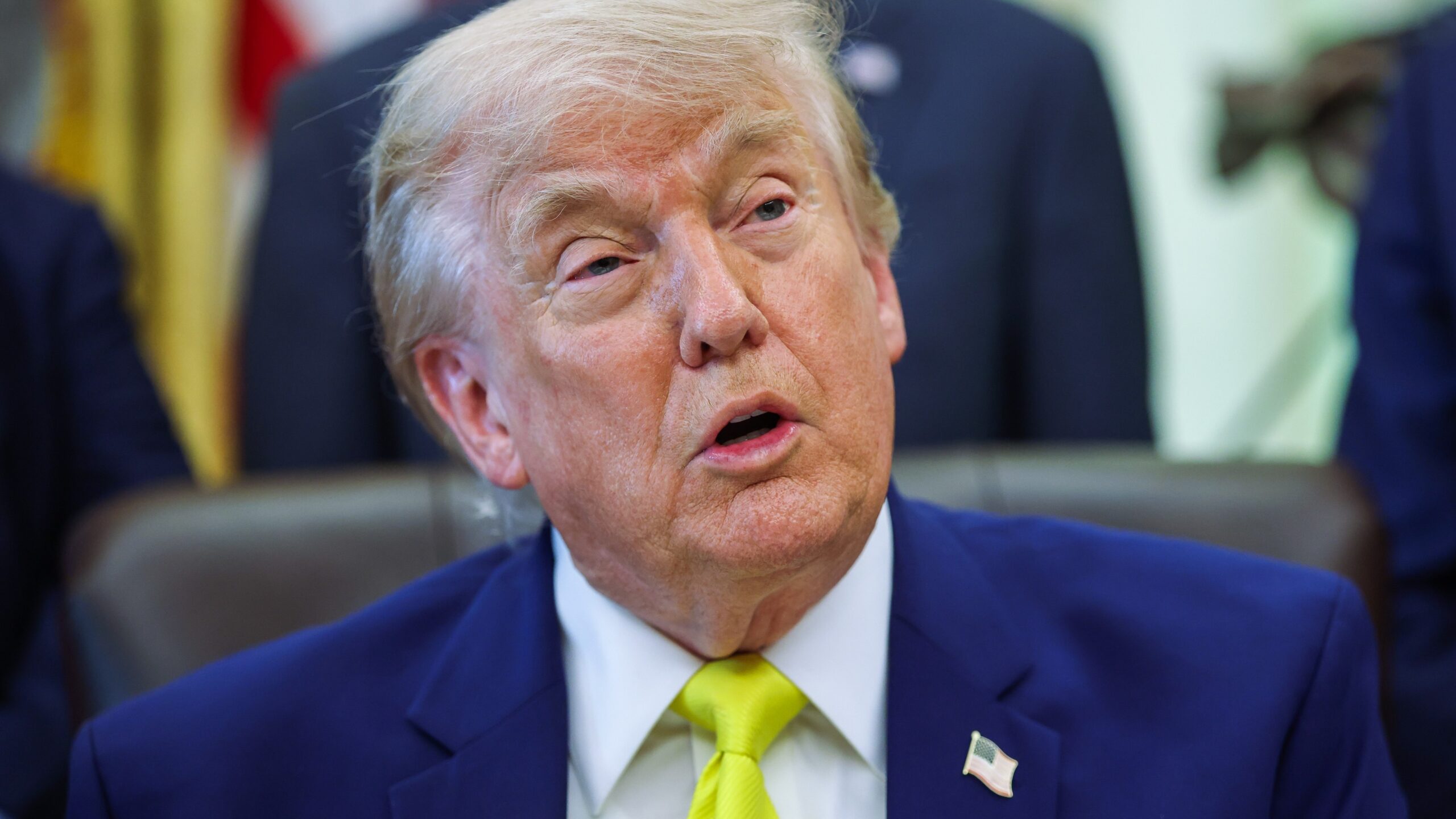
Words from the White House might be music to the ears of the murderous mullahs and IRGC thugs.

For the Iranian regime, the purpose of negotiations is to force America to surrender.
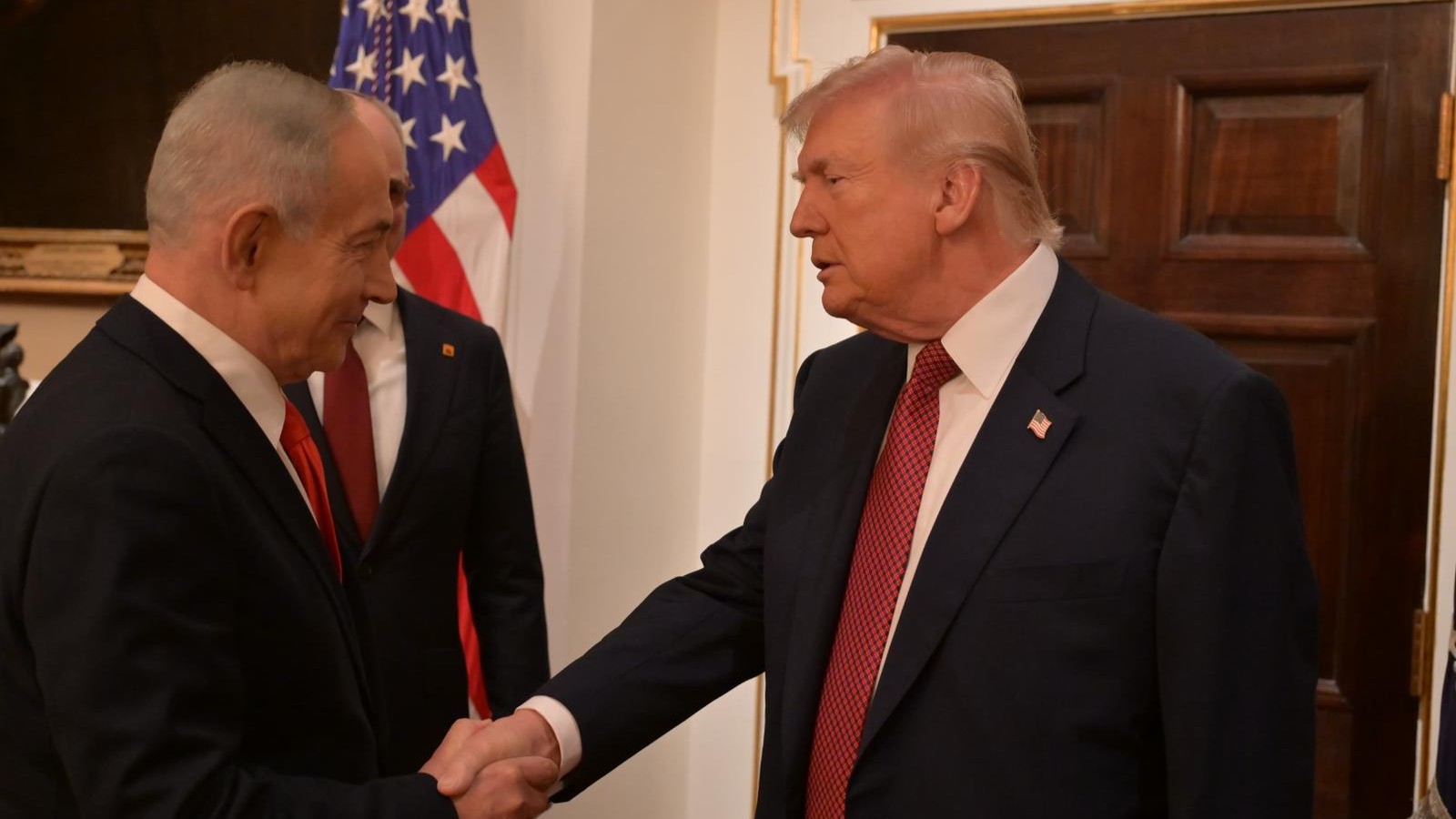
Iran’s promises of restraint mask a strategy of perpetual conflict, using Hezbollah and diplomacy alike as tools of war.
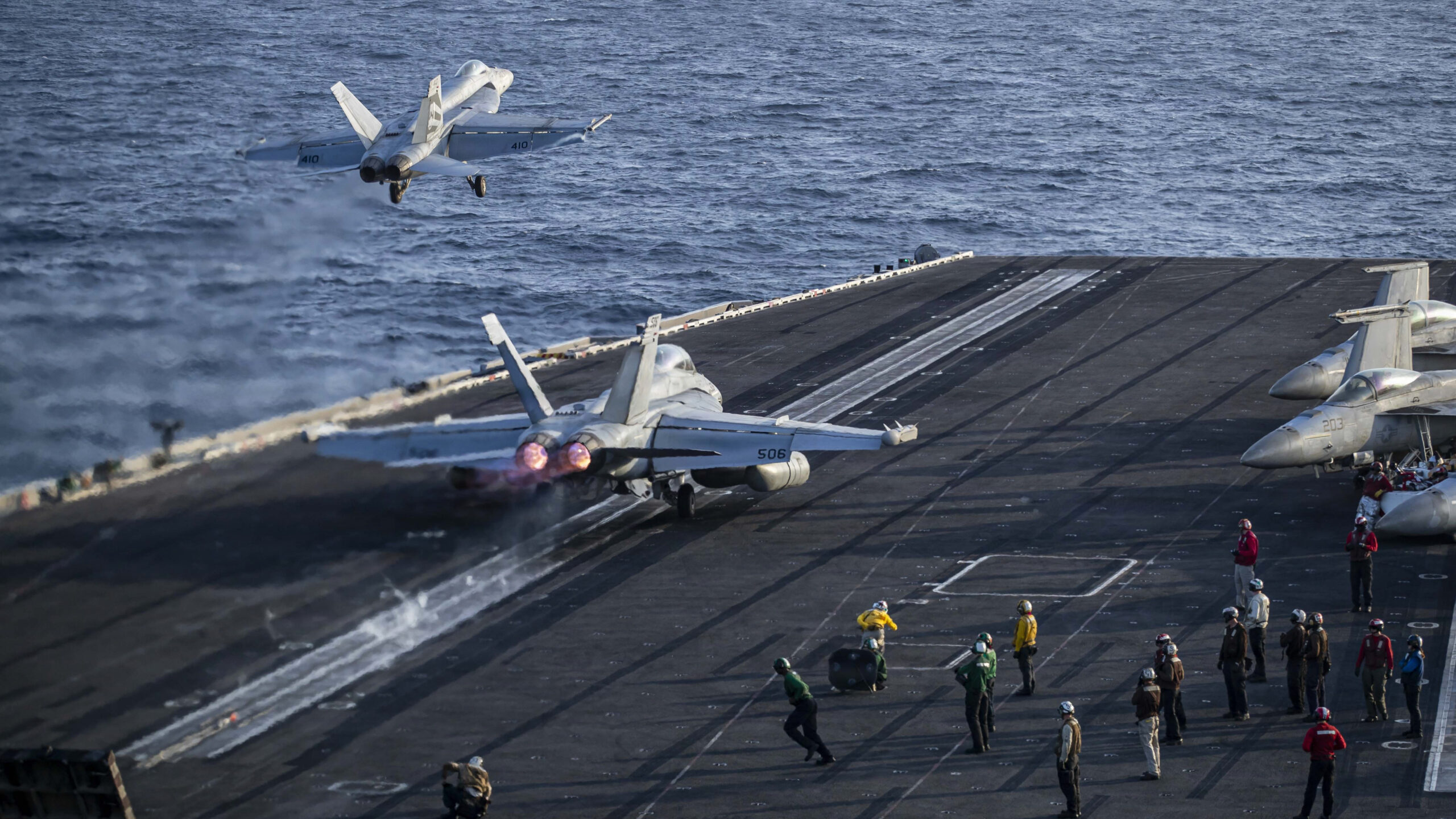
CENTCOM said all Iranian attacks failed as the U.S. intercepted strikes on Kuwait and Bahrain and hit a drone site on Qeshm Island.
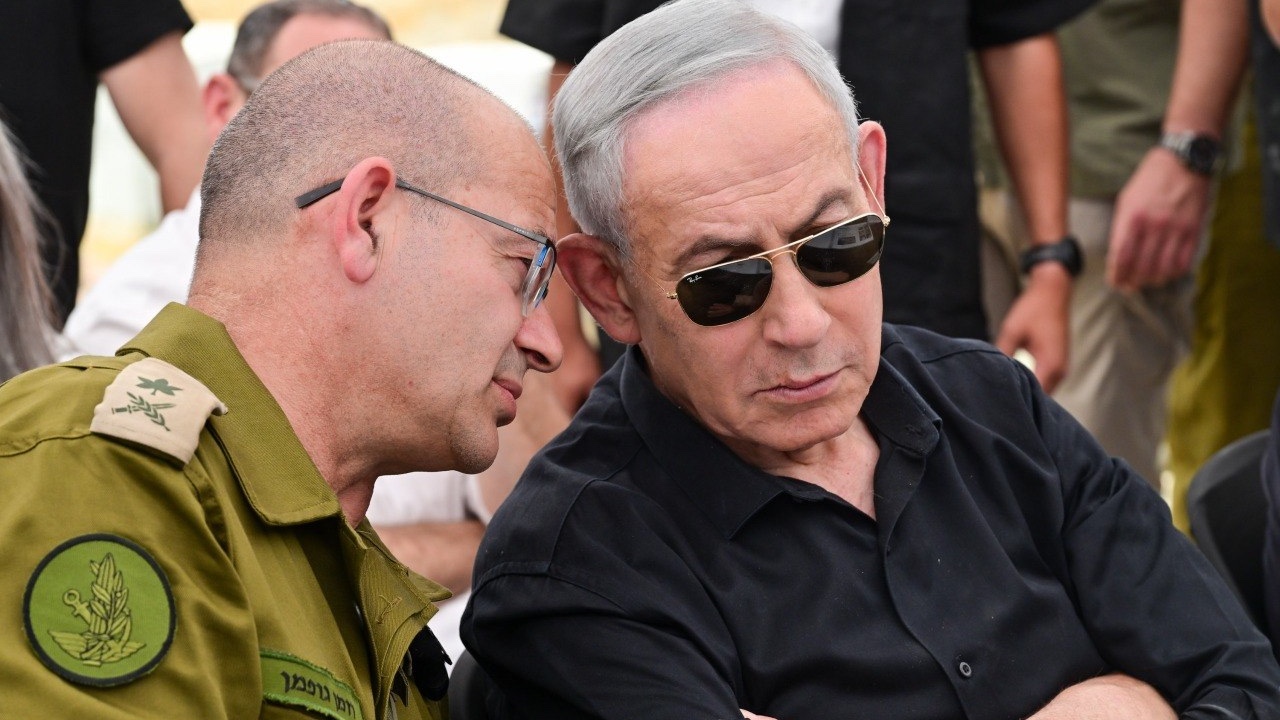
The prime minister says Israel’s enemies have miscalculated again — and warns Tehran the price of aggression will only rise.