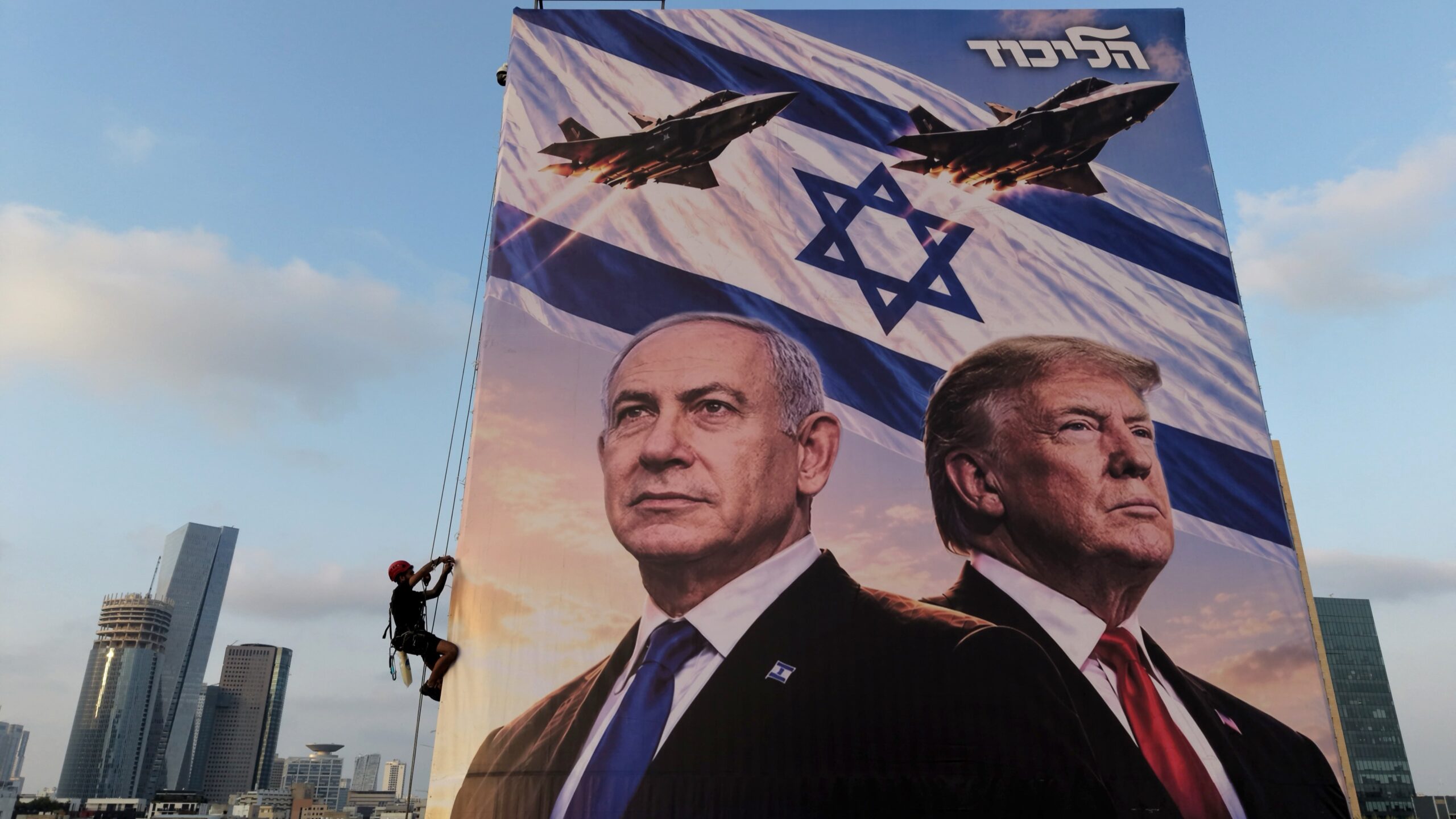
Despite a mutual desire to avoid escalation ahead of upcoming elections, something dramatic is unfolding between Washington and Jerusalem.
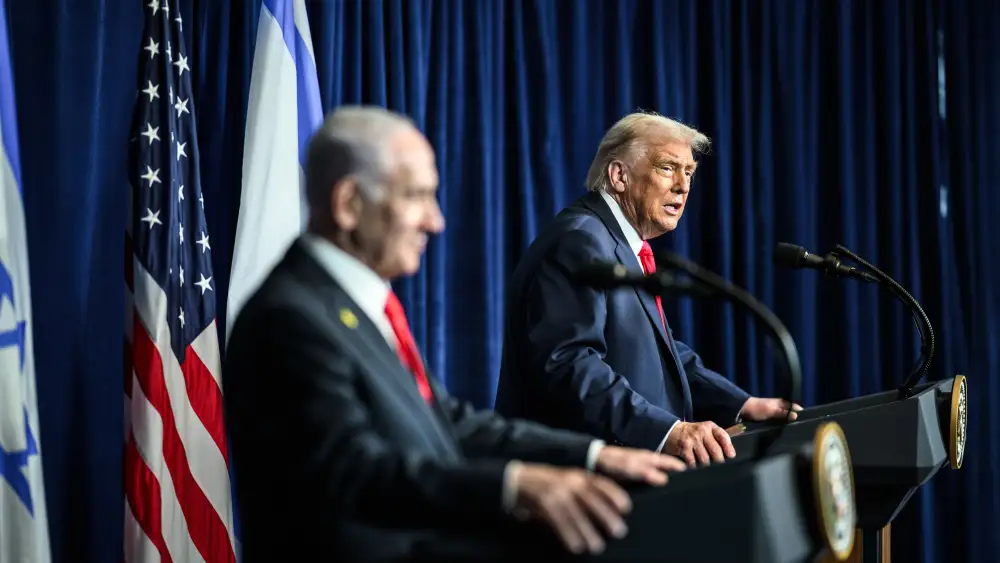
Despite a mutual desire to avoid escalation ahead of upcoming elections, something dramatic is unfolding between Washington and Jerusalem.
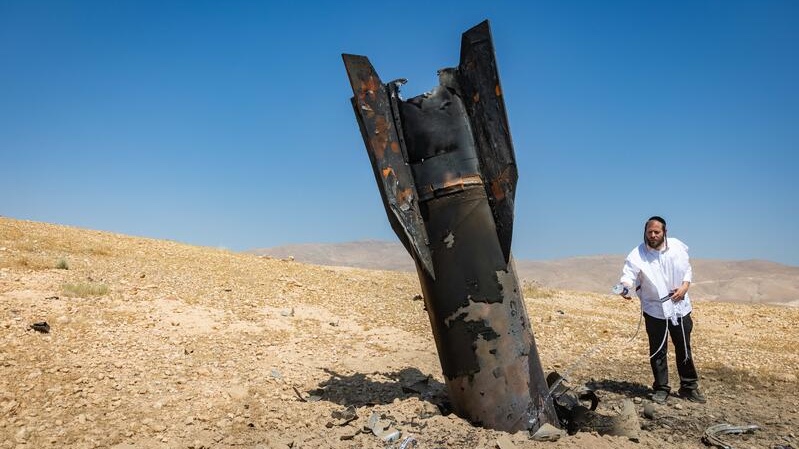
The election timing invites cynicism. But the warnings are also coming from Beirut, Riyadh and Washington, and Tehran is running out of room.
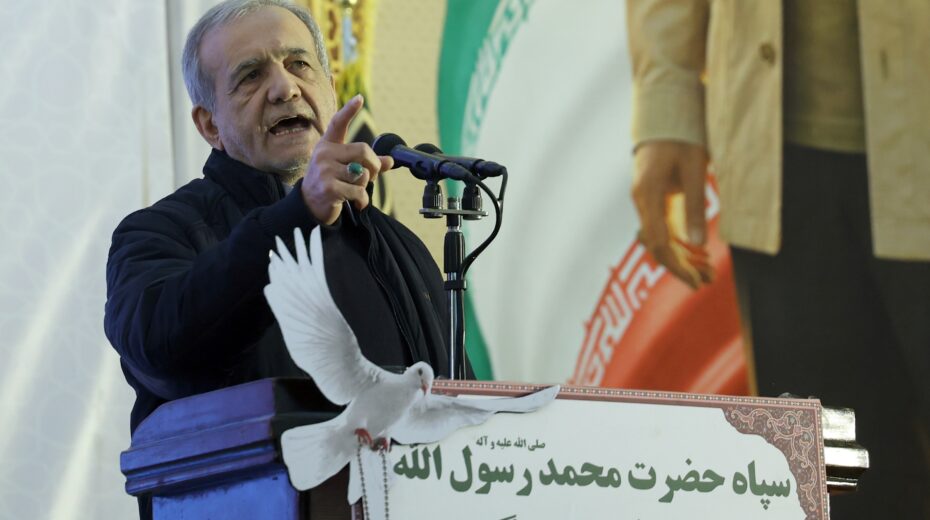
Three years after October 7, Tehran celebrates the massacre as the beginning of Israel’s end, while its president plans to close sports halls to keep the factories running.

Iran is trying to do inside Israel what Israel has long done inside Iran: find weak points, recruit human sources, and turn an enemy society’s cracks into intelligence assets.
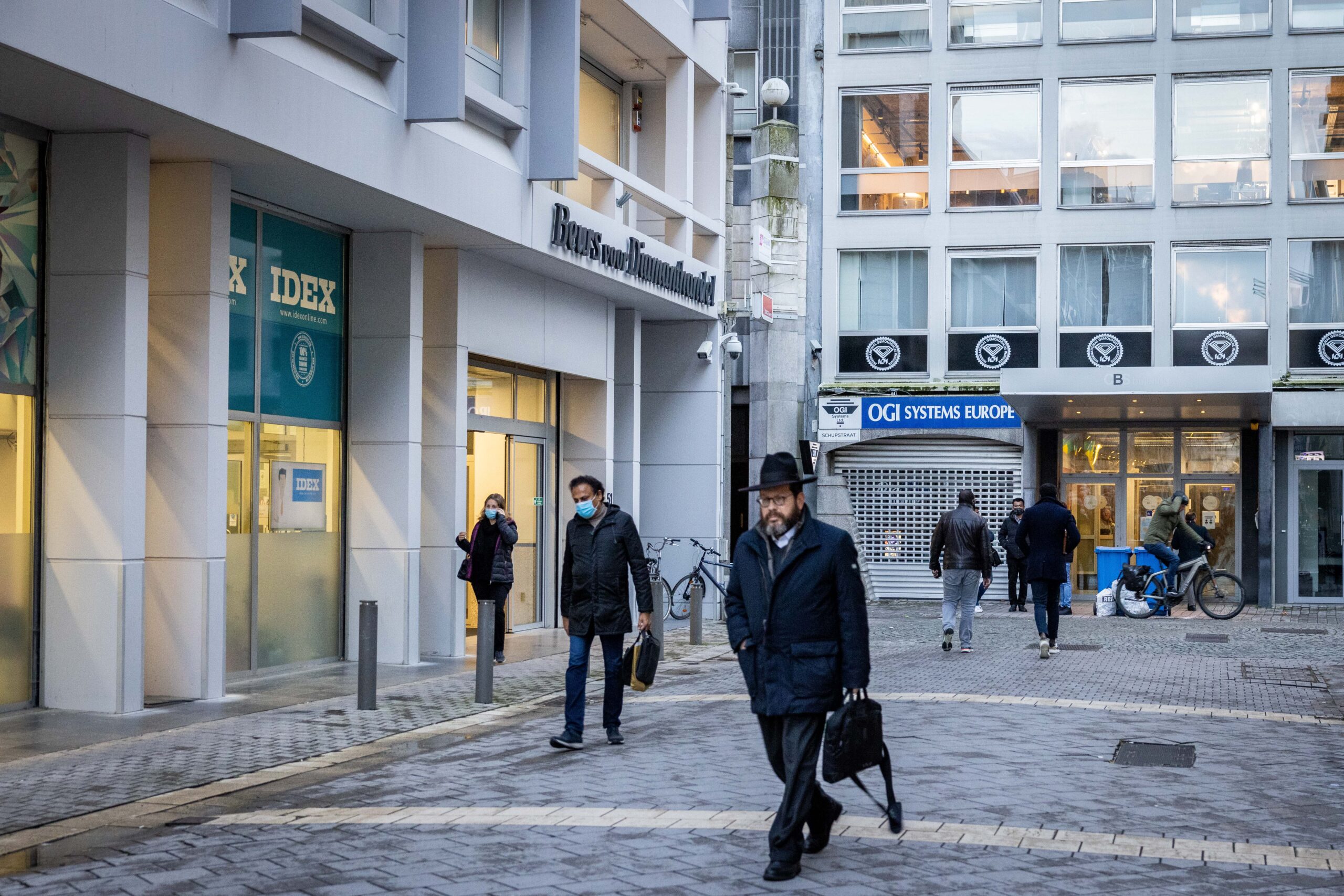
A main suspect in the Iranian-run network was recently arrested in Turkey.
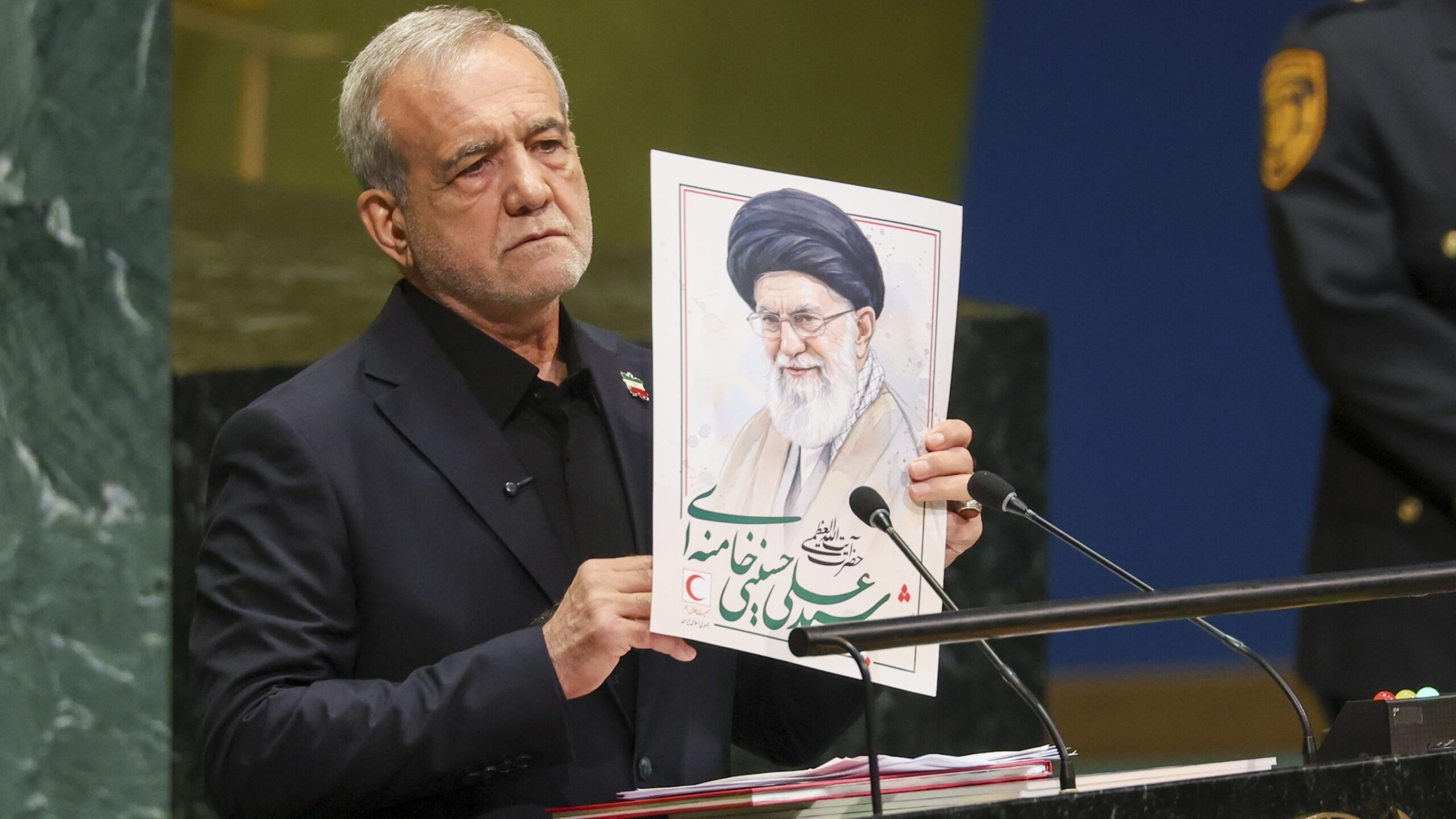
The lone U.S. delegate attending Masoud Pezeshkian’s address to the U.N. General Assembly walked out of the hall after the Iranian president claimed that Iranians were “victims of terrorism.”
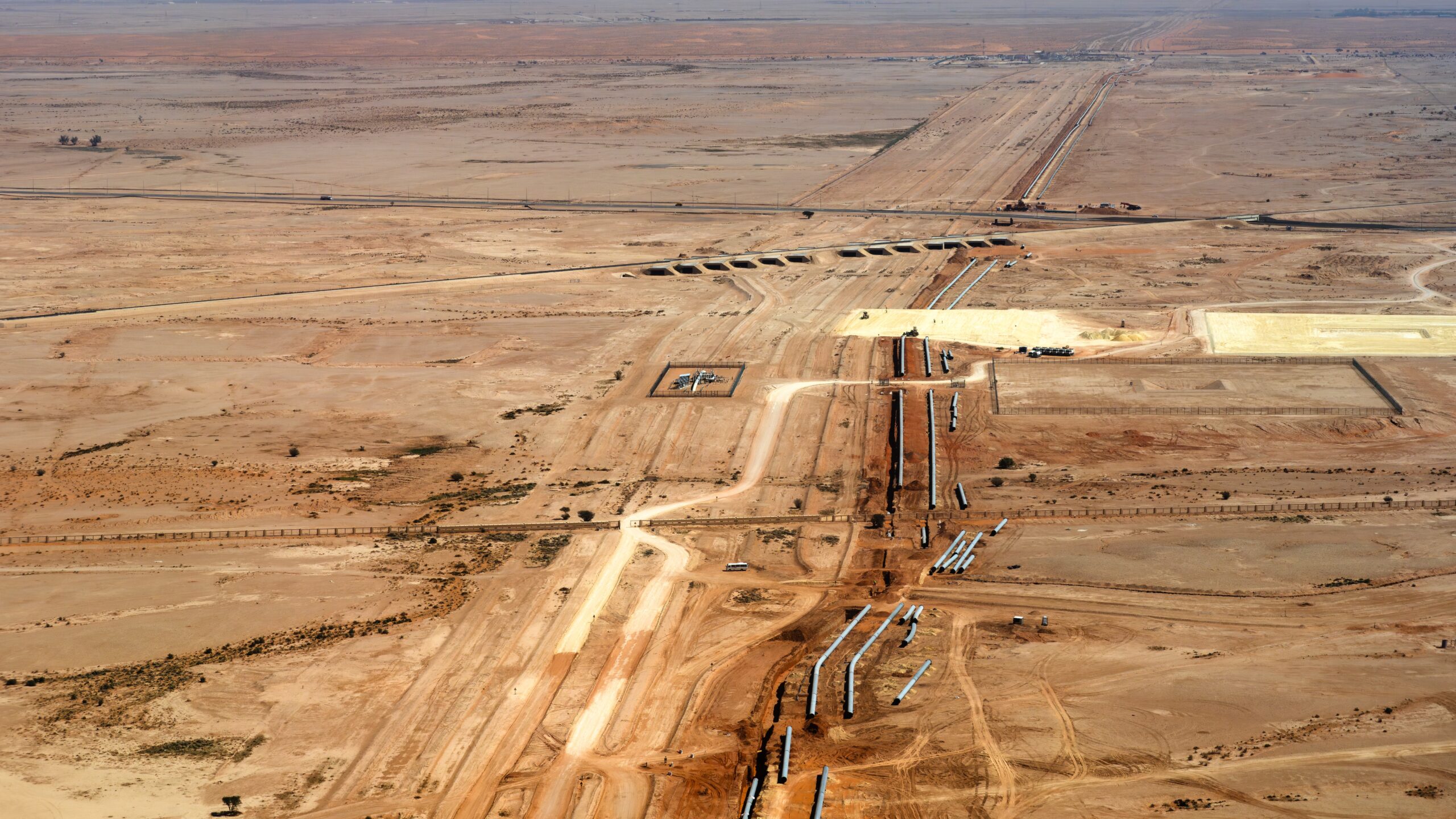
The attack on the Saudi East-West Pipeline is far more than just another strike against the kingdom’s energy infrastructure. What was hit was precisely that strategic lifeline that Saudi Arabia created to be able to bypass the Strait of Hormuz in an emergency.
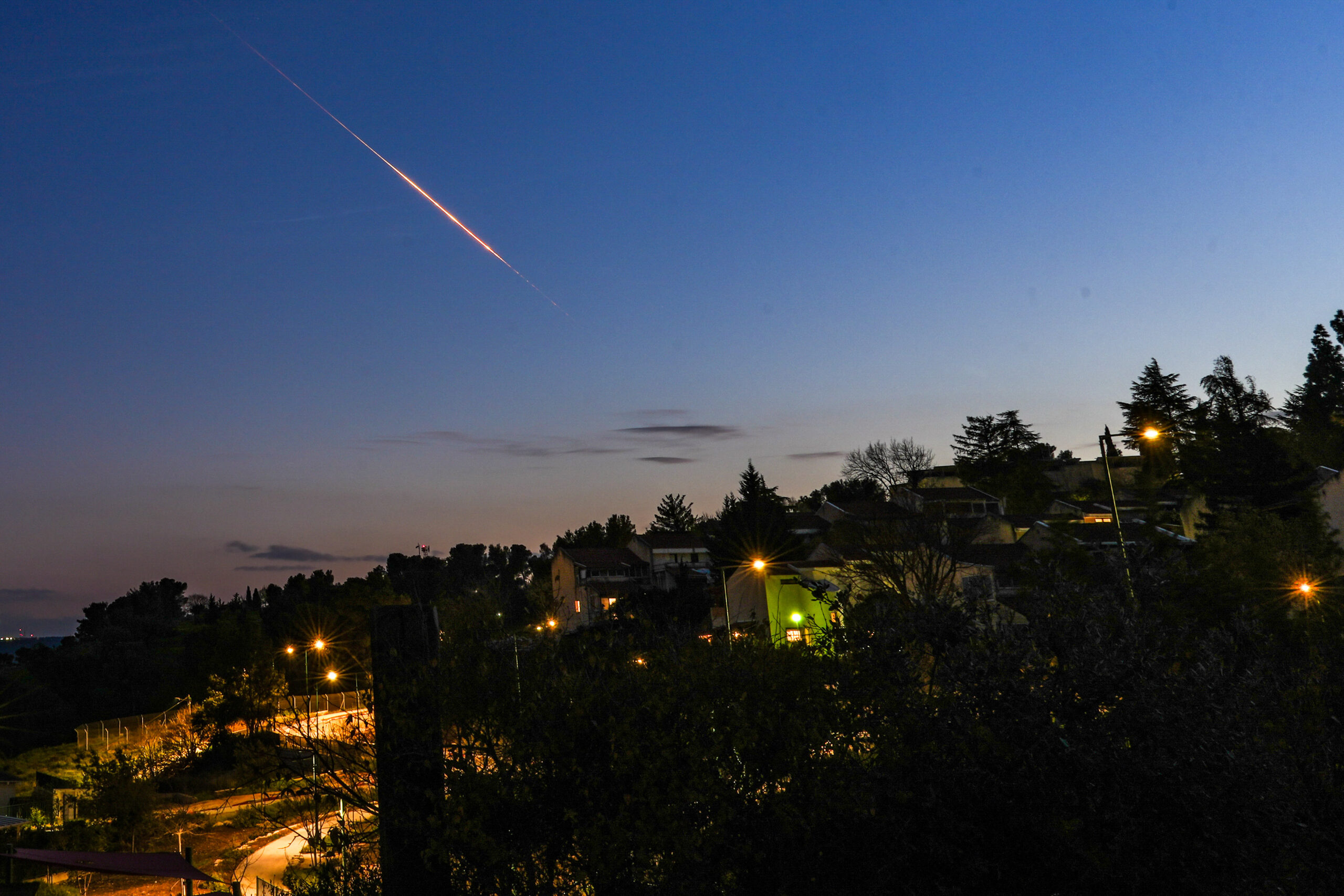
Mohammed bin Salman thought he could stay out of the region’s widening war. Now the Houthi threat is pushing Riyadh back toward Israel.
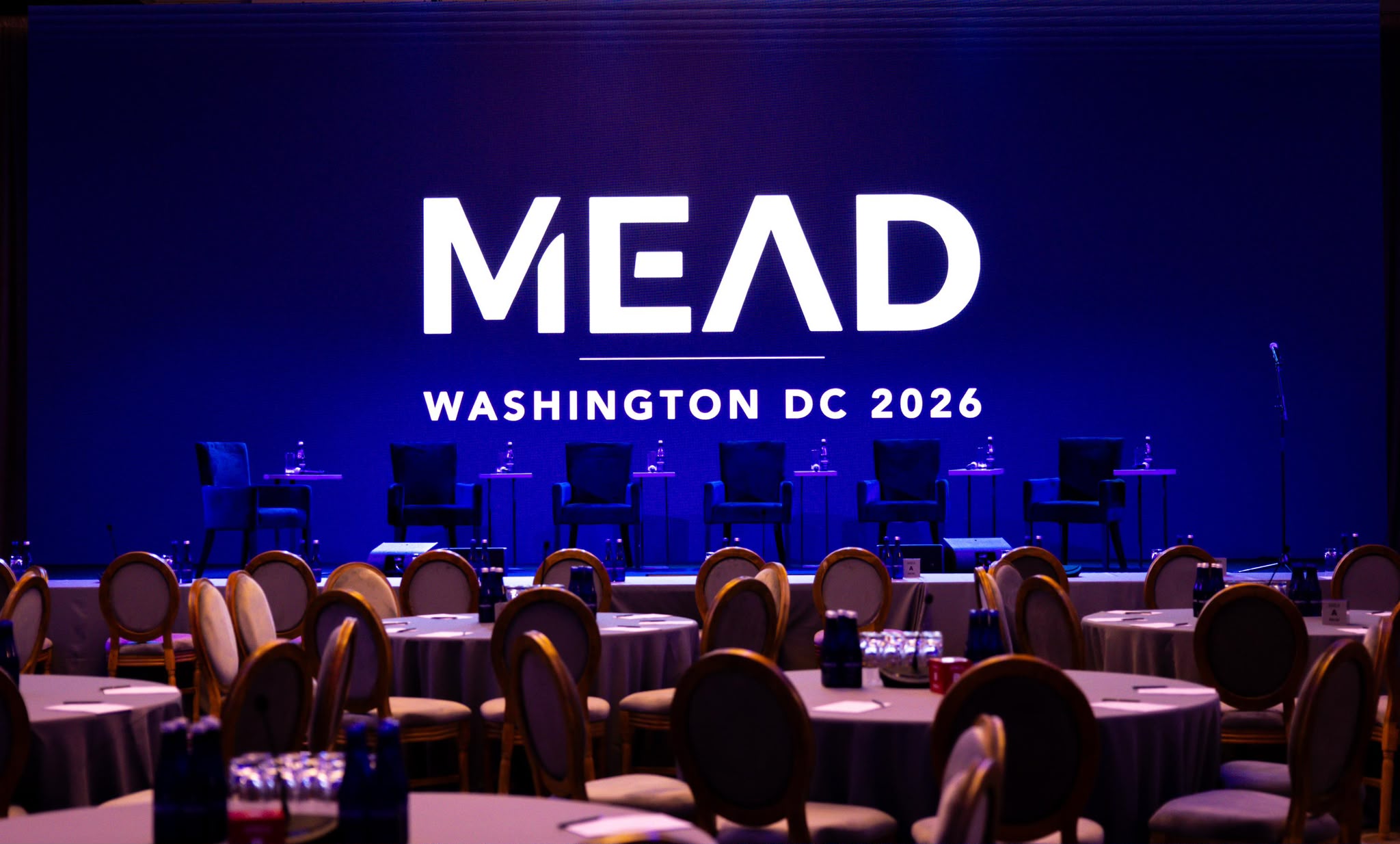
Representatives from 24 countries gathered in Washington to discuss Iran, Gaza, and the future of the region. Behind closed doors, sharp criticism of the Israeli government was also voiced.
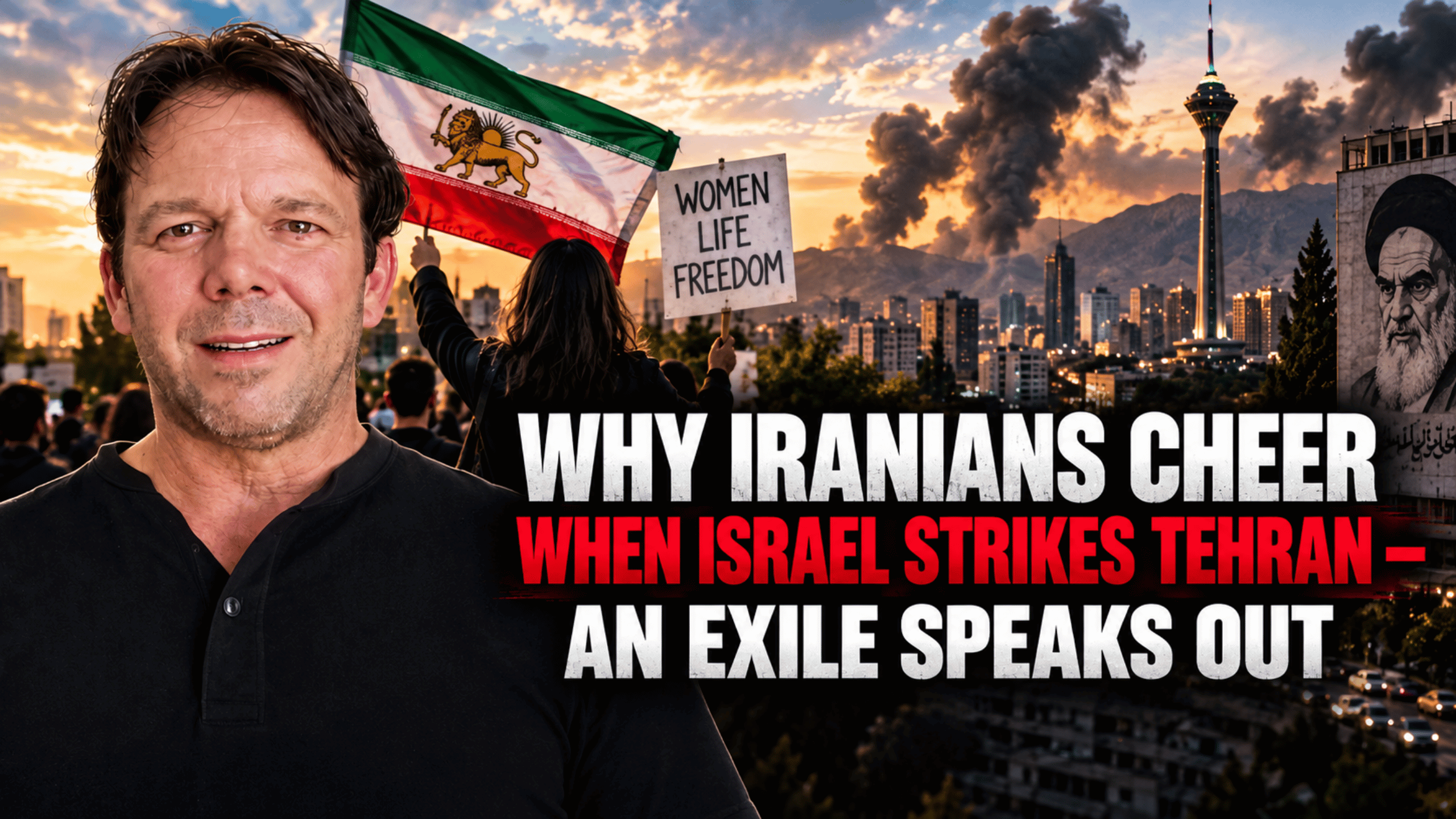
A young Iranian who fled to Germany explains why so many of his people welcome strikes on the regime — and what the cameras in Tehran never show you.