The system allows users to browse publications, photos, 3D scans, excavation reports and archival documents.
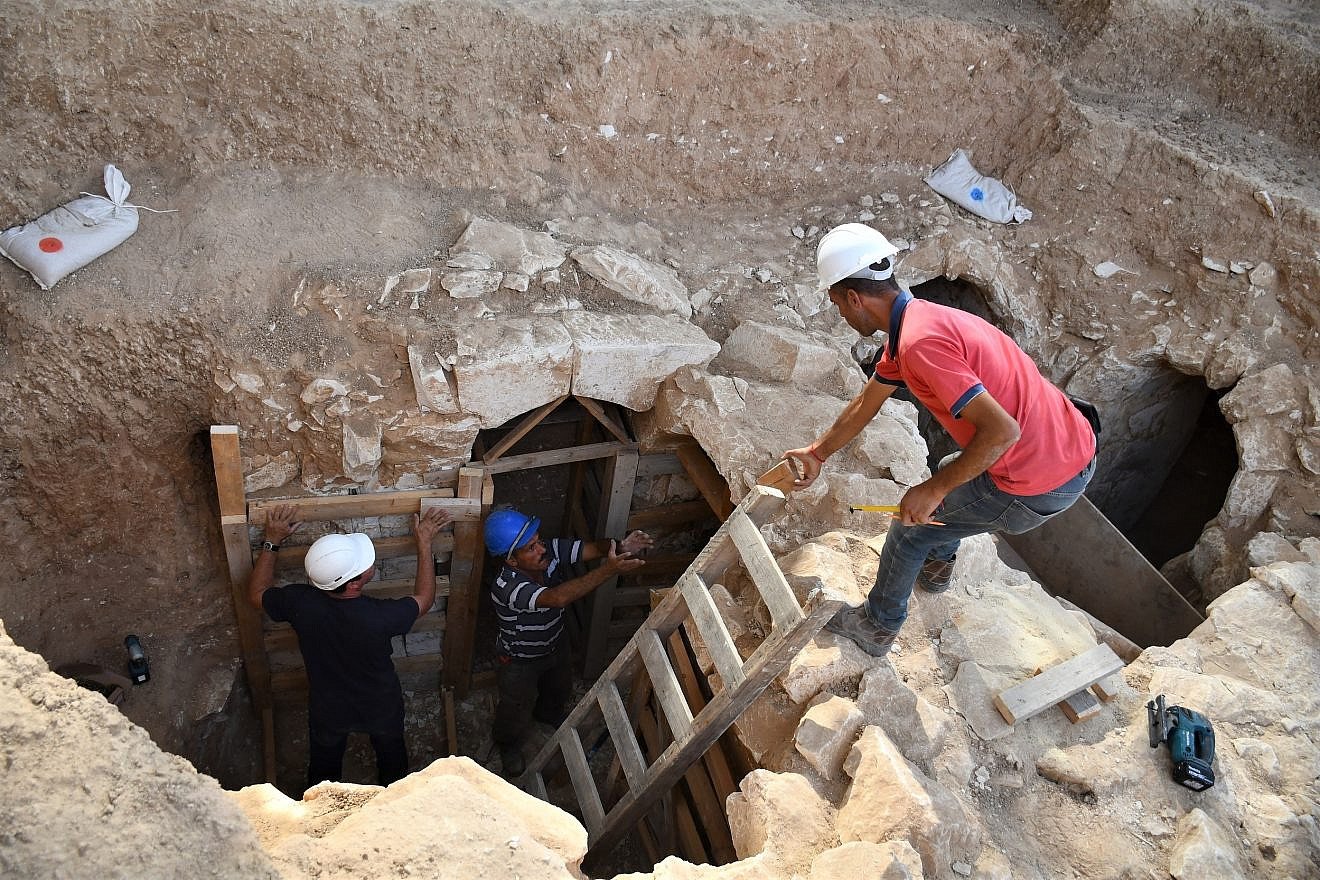
The system allows users to browse publications, photos, 3D scans, excavation reports and archival documents.
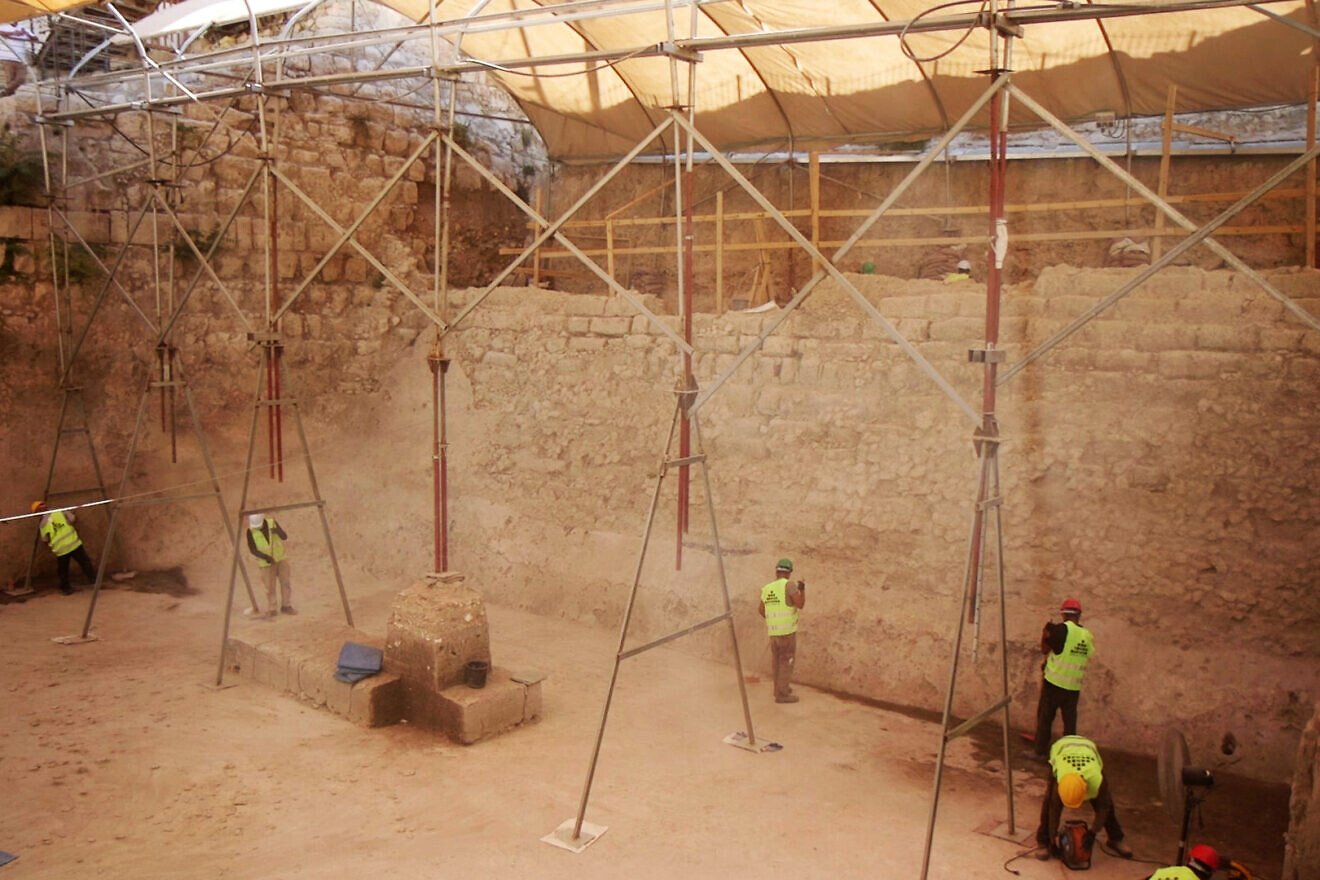
The newly uncovered structure suggests comprehensive urban planning for managing Jerusalem’s water supply as early as the late ninth century BCE and serves as clear evidence of the city’s power and sophistication.
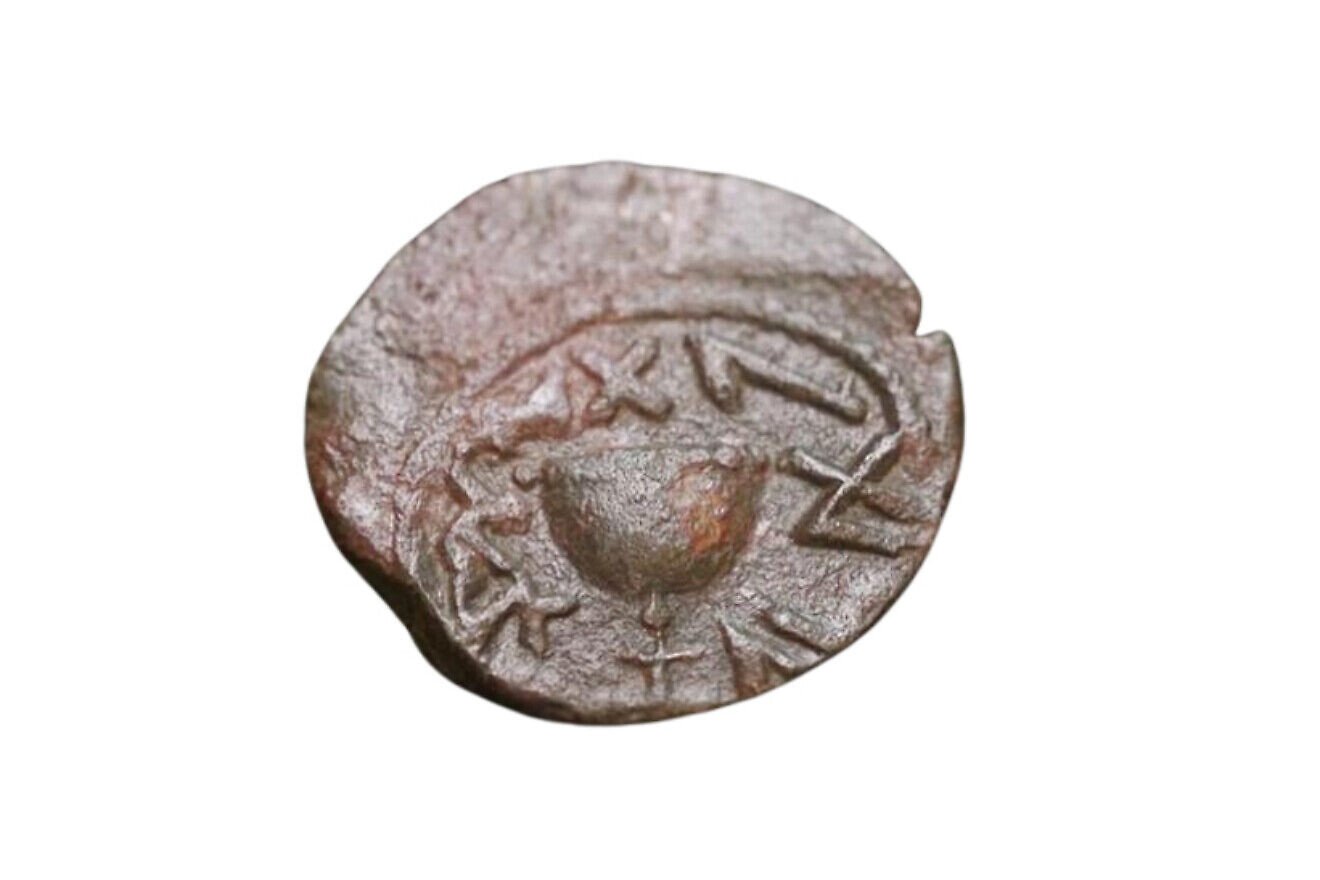
“Two thousand years after the minting of this coin, we come along a few days before Tisha B’Av and find such a moving testimony to that great destruction,” says archaeologist Esther Rakow-Mellet.

The project is part of an effort to recreate a renowned ancient wine that was once exported throughout Europe.
After nearly a century of archaeological silence, the ancient stones of Sebastia are speaking again as Israeli excavators uncover remarkable finds.
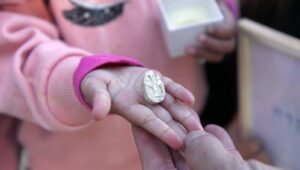
While walking at Tel Azeka, near Beit Shemesh, 3.5-year-old Ziv Nitzan picked up a stone that turned out to be an ancient amulet.
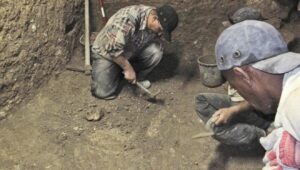
The site, near the Temple Mount, is the only known ritual structure from the period found in Jerusalem.
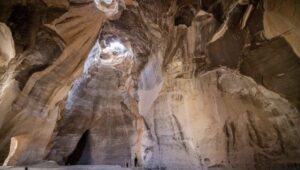
New research offers an explanation for why the practice prevalent in prehistoric Western Europe didn’t occur in the Eastern Mediterranean.
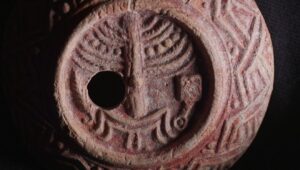
“After the Temple’s destruction, the menorah image became an important icon in the Jewish collective memory both within Israel and in the Diaspora.”
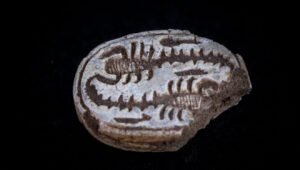
“I was looking down at the ground to find porcupine needles and smooth pebbles,” said Dafna Filshteiner.